

The White House Correspondents’ Dinner Attack: Understanding What Happened
A Meticulously Planned Attack Unfolds
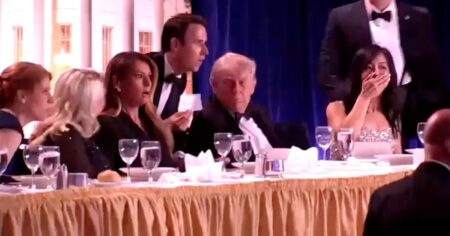
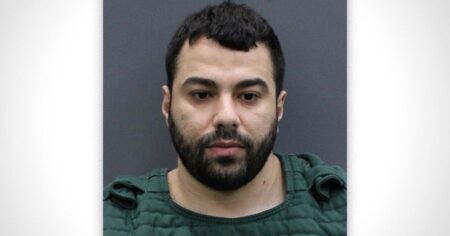
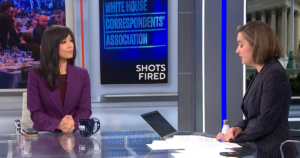
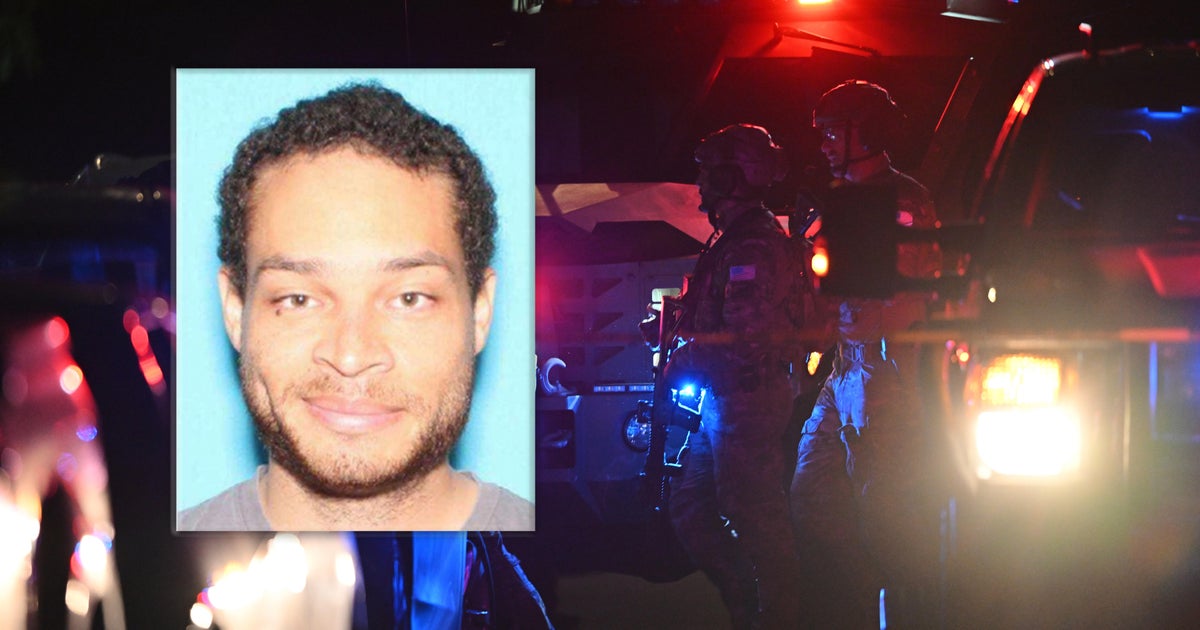
On what should have been an evening celebrating press freedom and the First Amendment, the White House Correspondents’ Dinner turned into a scene of chaos and terror. Cole Allen, a 31-year-old man from Torrance, California, arrived at the Washington Hilton Hotel with deadly intent, armed with a shotgun, handgun, and knives. Before charging a security checkpoint outside the dinner venue, Allen had sent a disturbing email to family members—what authorities are calling a “manifesto”—that detailed his plans to target Trump administration officials. This wasn’t a spontaneous act of violence but rather a calculated attack that Allen had planned with chilling precision. According to acting Attorney General Todd Blanche, Allen’s aggressive approach toward the security checkpoint prompted immediate action from law enforcement. President Trump and other high-ranking administration officials were quickly evacuated from the event, which was canceled shortly after the incident began. The evening that was meant to honor journalism and democratic values instead became a stark reminder of the security challenges facing public officials in today’s polarized political climate.
Inside the Mind of the Attacker: The Manifesto Revealed
The email manifesto that Cole Allen sent to his family members before the attack provides a disturbing window into his mindset and planning. Written in a matter-of-fact, sometimes disturbingly ironic tone, the document begins almost casually: “Hello everybody! So I may have given a lot of people a surprise today.” This jarring disconnect between his friendly greeting and his violent intentions continues throughout the message. Allen even apologized to his parents for misleading them, writing: “I apologize to my parents for saying I had an interview without specifying it was for ‘Most Wanted.'” He similarly apologized to colleagues and students for telling them he had a personal emergency, grimly noting that by the time anyone read his email, he would likely need emergency care himself, referring to potential injuries as “self-inflicted status.” What makes Allen’s writings particularly chilling is how he attempted to rationalize his actions. He stated that he planned the attack because he didn’t want the “crimes” of the administration to “coat [his] hands,” suggesting he felt a moral obligation to act. His targets were to be administration officials “prioritized from highest-ranking to lowest,” though notably, he specifically excluded FBI Director Kash Patel from his list. Allen also claimed he wanted to minimize casualties, stating he would use buckshot rather than slugs because of “less penetration through walls,” a detail that reveals both his planning and his twisted sense of attempting to limit collateral damage while still committing an act of mass violence.
Anticipating Criticism: A Disturbed Attempt at Justification
Perhaps one of the most unsettling aspects of Allen’s manifesto was a section where he anticipated objections to his planned attack and provided what he called “rebuttals” to each concern. This structured approach to justifying violence shows a deeply disturbed but methodical thought process. One hypothetical objection he addressed was: “As a half-black, half-white person, you shouldn’t be the one doing this.” His response was simply: “I don’t see anyone else picking up the slack.” Another objection he anticipated was rooted in his Christian faith—that he should “turn the other cheek” rather than resort to violence. Allen’s rebuttal claimed that turning the other cheek applies only “when you yourself are oppressed.” He then listed several anonymous hypothetical victims who had experienced hardship, in some cases blaming the Trump administration for their suffering. This section of his manifesto reveals someone who had constructed an elaborate internal justification system for his violent intentions, attempting to preemptively defend his actions against moral, ethical, and religious arguments. His final note on this topic was particularly telling: “I don’t expect forgiveness, but if I could have seen any other way to get this close, I would have taken it,” suggesting he viewed violence as his only option to reach his intended targets at the dinner.
Security Failures and Family Warning Signs
In an additional postscript to his manifesto, Allen turned his attention to what he perceived as serious security failures, writing: “Ok now that all the sappy stuff is done, what the hell is the Secret Service doing? … No damn security. Not in transport. Not in the hotel. Not in the event.” He claimed that if he had been an Iranian agent, he could have brought a machine gun into the venue without anyone noticing. This criticism, while coming from someone planning an attack, does raise legitimate questions about security protocols at high-profile events. The Washington Hilton remained a functioning hotel with numerous public spaces during the dinner, and the Secret Service had only secured specific areas where the dinner was held rather than the entire building. Meanwhile, back in Connecticut, Allen’s family was becoming increasingly alarmed. Law enforcement sources revealed that Allen’s brother, after receiving the disturbing email along with other family members, immediately called police Saturday night to alert them to the threat. According to investigators, Allen’s sister later told authorities that her brother often used “radical” rhetoric and sometimes talked about doing “something” to fix perceived problems in society. These family accounts paint a picture of someone whose violent intentions may have been building over time, with warning signs that his loved ones recognized but perhaps didn’t fully understand until it was almost too late.
The Aftermath and Ongoing Investigation
The immediate response to Allen’s attack proved effective in preventing what could have been a catastrophic tragedy. One Secret Service officer who was shot during the incident was wearing a bulletproof vest and was released from the hospital on Sunday, a fortunate outcome given the circumstances. Authorities have since conducted thorough searches of Allen’s life, finding additional writings at both his home in Torrance, California, and in his 10th-floor hotel room at the Washington Hilton. These discoveries suggest that Allen’s plans were extensive and that he had been preparing for this attack over a period of time. The manifesto he sent to family members was apparently just one piece of a larger collection of writings that document his descent into violence. Federal law enforcement officials, along with White House personnel, have been working to piece together Allen’s movements, motivations, and whether he had any accomplices or outside influences that encouraged his actions. The investigation continues to examine his background, his travels to Washington D.C., and how he managed to transport weapons across the country to carry out his planned attack. Understanding these details is crucial not only for prosecuting Allen but also for preventing similar attacks in the future.
Broader Implications and Moving Forward
The attack on the White House Correspondents’ Dinner carries significance far beyond the immediate violence. More than 2,500 people had gathered at the event, which celebrates the First Amendment and the important relationship between the press and government. President Trump had declined his invitation to this annual event in each of his previous years as president, making this year’s attendance particularly notable—it was the only time he accepted the invitation. Following the attack, President Trump announced his intention to reschedule the dinner within the next 30 days, a decision that demonstrates resilience in the face of threats but also raises questions about security preparations for any future event. This incident highlights the increasingly volatile nature of political discourse in America and the real dangers that can emerge when rhetoric turns to action. It also underscores the challenging balance between maintaining open, democratic traditions like the Correspondents’ Dinner and ensuring the safety of attendees in an era of heightened security threats. As the investigation continues and more details emerge about Allen’s background, motivations, and planning, there will undoubtedly be difficult conversations about how to identify and intervene with individuals who show warning signs of radicalization and violent intent. The fact that Allen’s family recognized concerning patterns in his behavior and acted when they received his manifesto shows the importance of taking such warning signs seriously, even when they come from loved ones. Moving forward, this tragic incident will likely prompt reviews of security protocols at major political events and renewed discussions about the political climate that can fuel such extreme actions.