
Bringing Heroes Home: The USS Arizona Identification Mission
A Long-Awaited Homecoming for America’s Fallen
In a profound effort to honor those who made the ultimate sacrifice during one of America’s darkest days, the U.S. military has announced plans to exhume the remains of 88 sailors and Marines who died aboard the USS Arizona during the devastating attack on Pearl Harbor. These service members, who have rested as unknowns in Honolulu’s National Memorial Cemetery of the Pacific for more than eight decades, may finally receive the recognition they deserve. Thanks to remarkable advances in DNA technology, families who have carried the weight of uncertainty for generations may soon find closure. The Defense POW/MIA Accounting Agency, led by Director Kelly McKeague, revealed that the disinterments will begin between November and December, marking a significant milestone in the ongoing effort to identify America’s missing warriors. This initiative represents more than just a scientific endeavor; it’s a sacred promise being fulfilled—a commitment that no American who serves will be forgotten, and that every effort will be made to bring them home.
The Day That Changed Everything
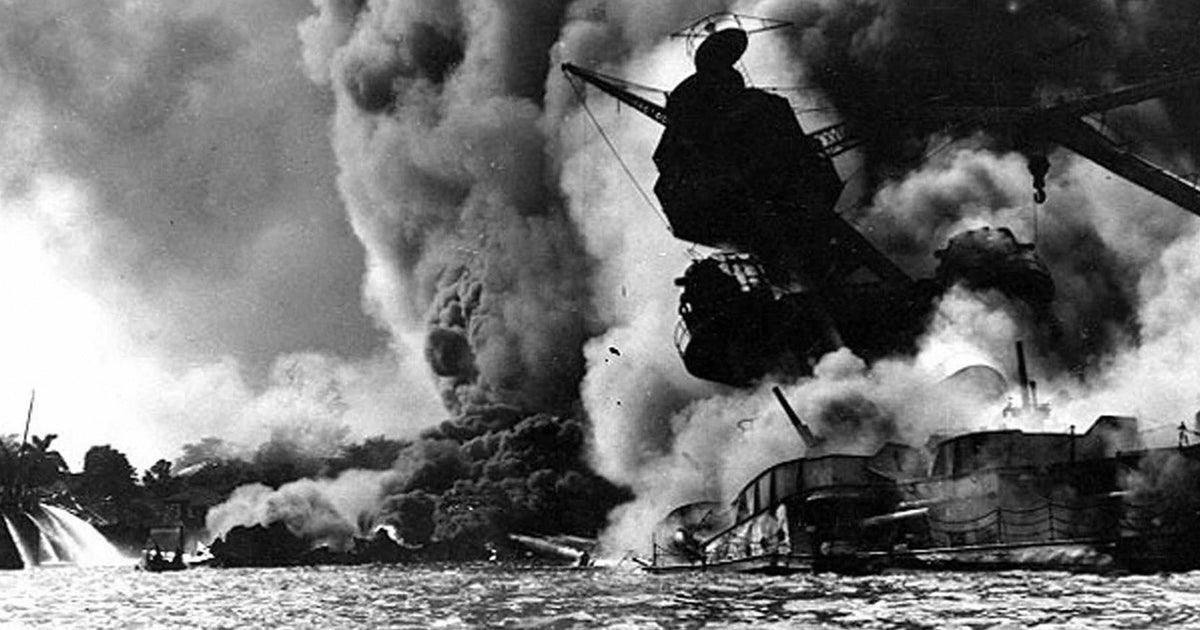
December 7, 1941, remains one of the most significant dates in American history—a day that President Franklin D. Roosevelt famously declared would “live in infamy.” On that quiet Sunday morning in Hawaii, Japanese forces launched a surprise aerial assault on the U.S. naval base at Pearl Harbor, forever changing the course of world history and propelling America into World War II. The devastation was catastrophic: dozens of ships were sunk, capsized, or severely damaged, and thousands of American service members lost their lives. Among the vessels struck that day, the USS Arizona suffered one of the most tragic fates. Just nine minutes after being hit by a Japanese bomb, the mighty battleship sank to the ocean floor, taking 1,177 crew members with her—nearly half of all those killed during the entire attack. Today, more than 900 sailors and Marines remain entombed within the Arizona’s hull, which still rests at the bottom of Pearl Harbor, serving as both a war grave and a powerful memorial to those who perished. Eyewitness accounts from that day paint a harrowing picture; one officer who led an impromptu rescue party noted that “most of the men who were burned were unrecognizable,” though they succeeded in pulling many survivors from the burning wreckage and the oil-slicked waters surrounding the ship.
A Decade of Dedication to Identification
The current effort to identify the Arizona unknowns builds upon a foundation laid over the past decade, during which the Defense POW/MIA Accounting Agency has successfully used DNA technology to identify hundreds of crew members from various Pearl Harbor vessels. This includes sailors from the USS Oklahoma, USS West Virginia, and other ships damaged or destroyed during the attack. As recently as October, the agency identified U.S. Navy Fireman 1st Class Edward D. Bowden, demonstrating that even after more than 80 years, science and determination can restore names to those who were once lost to history. The process involves carefully removing approximately eight sets of remains every two to three weeks from the National Memorial Cemetery of the Pacific, transporting them to the agency’s laboratory at Joint Base Pearl Harbor-Hickam for initial analysis, and then sending DNA samples to the Armed Forces DNA Identification Laboratory at Dover Air Force Base in Delaware. There, sophisticated genetic testing compares the remains with DNA samples collected from family members of missing troops. It’s important to note that only the remains buried as unknowns in the cemetery will be exhumed; the more than 900 sailors and Marines still entombed within the Arizona’s underwater hull will remain undisturbed, their final resting place preserved as a sacred war grave and memorial.
One Family’s Mission Becomes a Movement
The journey to make this identification effort possible is largely thanks to Kevin Kline, a real estate agent from northern Virginia whose great-uncle, Robert Edwin Kline, was a 22-year-old gunner’s mate second class when he died aboard the Arizona. For most of his life, Kevin believed his great-uncle’s remains were still on the ship, but a few years ago, he learned that some crew members had been buried as unknowns in the cemetery. This discovery sparked a personal mission that would grow into something far larger than he could have imagined. Frustrated by the Defense POW/MIA Accounting Agency’s initial reluctance to pursue identification efforts—citing that they had medical and dental records and family DNA samples for only about 1% of the Arizona’s missing as of 2021—Kline founded an organization called Operation 85. Over the past three years, he has dedicated himself to locating families of the missing sailors and Marines and arranging for them to provide DNA samples. The response has been overwhelming: of the approximately 1,500 people he contacted, only about 15 declined to participate. To date, family members of 626 sailors and Marines have shared their DNA—just under 60% of the crew members still missing—and sample kits continue to arrive. While Kline doesn’t have high expectations that his own great-uncle will be among those identified, he finds deep meaning in helping other families potentially find answers.
The Weight of Generational Grief
The impact of Pearl Harbor extended far beyond that December day in 1941, creating ripples of sorrow that have passed through generations of American families. Kline shares a particularly moving story that illustrates the profound and lasting nature of this grief—a woman who spent years mystified by her own inexplicable sadness around the Christmas season. Only later in life did she make the connection: her grandmother had lost a son on the Arizona, and her mother had lost her brother. Neither woman ever celebrated Christmas with joy because it came just weeks after the anniversary of his death. The trauma and sorrow they carried had unknowingly been passed down to her, creating what Kline describes as “generational grief.” As he explained, “As she got older, she realized that her grandmother and her mom were still grieving about this loss. And it fell on her as well.” This powerful example demonstrates why the identification effort means so much to so many families. For some, learning the fate of their loved one and finally having a name to honor won’t just provide historical clarity—it may help heal wounds that have persisted across three, four, or even five generations. The opportunity for closure, even 85 years later, holds immeasurable value for families who have lived with uncertainty and unanswered questions. Kline believes that families who receive a DNA match will finally be able to properly mourn, remember, and celebrate the lives of their loved ones who made the ultimate sacrifice.
A Sacred Promise Fulfilled
What makes this story particularly remarkable is the transformation from bureaucratic resistance to collaborative action. For years, the Defense POW/MIA Accounting Agency maintained that exhuming the Arizona unknowns wouldn’t be practical given the limited family DNA samples available. Kline admits he was initially “frustrated and even infuriated by the military’s past reluctance,” but his feelings have evolved as the agency changed course and embraced the mission. “I’m happy that we were able to kind of pull this together and turn that hard no,” Kline reflected, his words capturing both the satisfaction of advocacy and the significance of what this effort represents. The decision to proceed with the disinterments was first reported by the independent military newspaper Stars and Stripes, bringing national attention to a mission that embodies America’s enduring commitment to its service members. In 2024, Lou Conter, the last living survivor from the sinking of the USS Arizona, passed away in California at the age of 102, making this identification effort even more poignant—a final tribute completed just as the last voice who could bear personal witness to that terrible day fell silent. As the exhumations begin later this year, 88 sets of remains will begin their journey from anonymity to recognition, from “unknown” to named and honored. For the families waiting for answers, for the descendants carrying generational grief they may not even fully understand, and for a nation that has never forgotten December 7, 1941, this effort represents something profound: the fulfillment of a sacred promise that those who serve will always be remembered, that every effort will be made to bring them home, and that no sacrifice, no matter how long ago, will ever be forgotten.