


Trump Pushes for Iran Nuclear Deal Amid Rising Tensions
Diplomatic Efforts Continue Despite Military Buildup
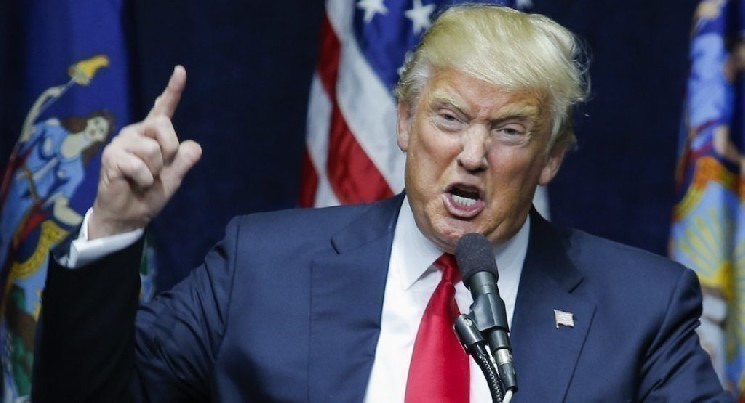
President Donald Trump has signaled that diplomatic channels with Iran remain open and active, with negotiations regarding Tehran’s nuclear program expected to continue throughout the day. Speaking to journalists before departing for a scheduled visit to Texas, the President made it clear that while his administration is committed to finding a peaceful resolution, the United States maintains an unwavering red line: Iran will absolutely not be permitted to develop or possess nuclear weapons under any circumstances. This statement comes at a critical juncture as both nations navigate a complex diplomatic dance that could determine the future of Middle Eastern stability and global nuclear non-proliferation efforts.
Trump’s comments reflect a delicate balancing act between demonstrating strength and keeping the door open for dialogue. The President’s willingness to engage in continued talks shows a pragmatic approach to one of the most challenging foreign policy issues facing his administration. Despite years of tension between Washington and Tehran, and despite the substantial military presence the United States has deployed to the region, Trump emphasized that diplomacy remains his preferred path forward. This approach represents a significant moment in US-Iran relations, which have been strained since the United States withdrew from the Joint Comprehensive Plan of Action (JCPOA) in previous years and reimposed crippling economic sanctions on the Islamic Republic.
The President’s Dual Strategy: Diplomacy First, Force as Last Resort
Throughout his remarks, President Trump made his priorities abundantly clear while also acknowledging the harsh realities of international negotiations with a nation like Iran. “I don’t want to do that, but sometimes you have to,” Trump stated when asked about the possibility of military action, revealing both his reluctance to engage in armed conflict and his determination to prevent Iran from obtaining nuclear capabilities. This statement encapsulates the administration’s overall strategy: pursue every possible diplomatic avenue while maintaining credible military deterrence to ensure that Iran understands the consequences of continuing down a nuclear path. The large-scale US military buildup in the Middle East serves as a visible reminder of America’s capability and willingness to act if negotiations fail.
The President’s willingness to openly discuss both diplomatic and military options demonstrates a transparency that aims to manage expectations both domestically and internationally. By acknowledging that talks have been ongoing throughout the week, Trump is signaling to the American public and to allies around the world that his administration is working diligently to find a peaceful solution. At the same time, by keeping the military option on the table, he’s sending a clear message to Tehran that there are consequences for failing to negotiate in good faith or for continuing to advance nuclear weapons capabilities. This two-track approach has been a hallmark of Trump’s foreign policy strategy, combining the threat of overwhelming force with the promise of economic prosperity and normalized relations if an acceptable agreement can be reached.
Frustration with Iran’s Negotiating Tactics
President Trump didn’t hide his disappointment with how the negotiations have proceeded thus far, expressing frank dissatisfaction with Iran’s approach to the discussions. “I’m not happy with the way Iran is negotiating,” the President stated bluntly, highlighting what he perceives as Tehran’s unwillingness to make the clear, unambiguous commitments necessary for a breakthrough. According to Trump, Iranian officials have yet to speak what he termed the “golden words” – a straightforward, explicit commitment to forgo the development and possession of nuclear weapons. This commitment represents the fundamental foundation upon which any potential agreement would need to be built, and without it, Trump suggests that meaningful progress remains elusive.
The President’s frustration appears to stem from what he sees as Tehran’s tendency to avoid making direct, binding commitments on the core issue at hand. While Iranian officials may have made various statements and engaged in ongoing dialogue, Trump is looking for something more concrete and definitive – a clear declaration that Iran will never pursue nuclear weapons under any circumstances. This lack of clarity from Tehran has evidently tested the patience of the Trump administration, which has invested considerable political capital and diplomatic energy into attempting to reach a new agreement that would address American security concerns while potentially offering Iran relief from economic sanctions and a path toward normalized international relations. The absence of these “golden words” suggests that significant gaps remain between the two nations’ positions, despite the ongoing dialogue.
Call for Strategic Wisdom from Tehran
In what appeared to be both a warning and an appeal, President Trump urged Iranian leadership to recognize the opportunity before them and to approach negotiations with greater wisdom and strategic thinking. “Iran should be smart enough to make a deal,” Trump declared, suggesting that Tehran’s long-term interests would be better served by reaching an agreement with the United States rather than continuing on its current path. This statement reflects Trump’s belief that a comprehensive deal would benefit both nations – providing Iran with economic opportunities and international legitimacy while giving the United States and its allies assurance that Iran will never possess nuclear weapons.
Trump’s characterization of deal-making as the “smart” choice for Iran carries both carrot and stick implications. On one hand, it suggests that an agreement could unlock tremendous economic potential for the Iranian people, who have suffered under years of stringent international sanctions that have devastated their economy, devalued their currency, and limited their access to global markets. On the other hand, the implication is that failing to make a deal would be foolish, potentially leading to continued economic isolation or worse – military confrontation that Iran could not win. By framing the situation in these terms, Trump is attempting to create a clear cost-benefit analysis for Iranian decision-makers, encouraging them to look beyond immediate political considerations and to focus on what would genuinely serve their nation’s long-term interests and the welfare of the Iranian people.
The Path Forward: Uncertainty and High Stakes
As negotiations continue, the international community watches closely, understanding that the outcome of these talks will have far-reaching implications not just for US-Iran relations but for regional stability, global energy markets, and the broader nuclear non-proliferation regime. The fact that Trump expects contacts to continue today suggests that despite his expressed frustrations, both sides see value in maintaining dialogue. This persistence in the face of difficulties is itself a positive sign, indicating that neither Washington nor Tehran has given up on the possibility of reaching an accommodation.
However, significant challenges remain. The trust deficit between the United States and Iran runs deep, built up over decades of hostility, proxy conflicts, and failed diplomatic initiatives. For Iran, there are legitimate concerns about whether any agreement would hold, particularly given the American withdrawal from the previous nuclear deal. For the United States, there are serious questions about verification, enforcement, and whether Iran’s ultimate intentions can ever truly be trusted. Finding a framework that addresses these mutual suspicions while delivering meaningful security guarantees and economic benefits will require creative diplomacy, political courage on both sides, and perhaps most importantly, a willingness to make difficult compromises in service of a larger strategic goal. As President Trump continues to push for a deal while maintaining military pressure, the coming days and weeks will reveal whether diplomatic efforts can succeed in resolving one of the world’s most dangerous standoffs, or whether the region is headed toward a confrontation that all parties claim they want to avoid.