
How Satellites Are Saving Lives: The Unsung Heroes Orbiting Above Us
A Year of Remarkable Rescues
In 2025, an invisible network of satellites circling our planet became the difference between life and death for 300 people across the United States and its surrounding waters. These weren’t dramatic Hollywood-style rescue missions with flashing lights and sirens—at least not at first. They began quietly, in the vastness of space, where sophisticated satellites operated by the National Oceanic and Atmospheric Administration (NOAA) detected desperate calls for help from some of the most remote and dangerous locations imaginable. From the freezing waters off the Pacific coast to the unforgiving peaks of Colorado’s mountains, from the depths of the Atlantic to the wilderness of Alaska, these orbital guardians stood watch, ready to relay emergency signals that would set rescue operations in motion. Among the 300 souls saved, 183 were pulled from water, while others were rescued from aviation emergencies and land-based predicaments that could have easily turned fatal without the technological lifeline these satellites provided.
When Technology Meets Crisis: The Coos Bay Incident
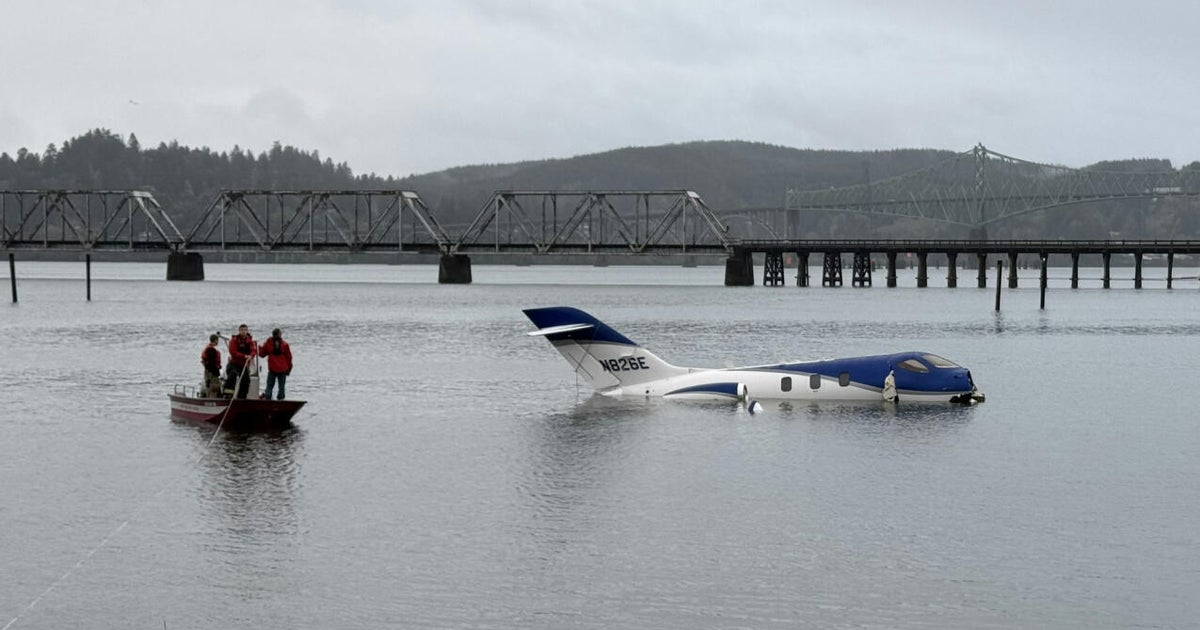
One of the most dramatic rescues of 2025 unfolded on a spring day in April at Southwest Oregon Regional Airport, demonstrating just how seamlessly this satellite system can spring into action. A corporate jet carrying five people attempted to land but skidded off the runway, ultimately coming to rest in approximately five feet of water in Oregon’s Coos Bay. In those terrifying moments as the aircraft slid into the bay, an emergency distress beacon automatically activated, sending out a signal that traveled hundreds of miles into space. A satellite in the Search and Rescue Satellite Aided Tracking system—known as SARSAT—picked up that signal almost instantly. What happened next showcased the remarkable coordination between space technology and ground-based emergency response: the satellite alert was patched through to the Air Force Rescue Coordination Center, which immediately contacted the Oregon Office of Emergency Management, which then dispatched responders to the precise location. Remarkably, all five people aboard the jet managed to reach the shore on their own before rescuers arrived, though they were taken to a local hospital for evaluation. What could have been a tragic aviation disaster became a story of survival, made possible by technology orbiting silently overhead.
Where Rescues Happen: A Nation’s Geography of Danger
The distribution of rescues across the United States in 2025 tells a compelling story about where Americans find themselves in the most perilous situations. Florida led the nation with 71 rescues, a statistic that makes sense when you consider the state’s extensive coastline, popular boating culture, and the unpredictable nature of tropical weather systems that can turn recreational outings into survival situations in minutes. Alaska came in second with 28 rescues, reflecting the state’s vast wilderness areas where hikers, pilots, and outdoor enthusiasts venture into territory where help can be hundreds of miles away and where weather conditions can change from manageable to life-threatening with little warning. Wyoming followed with 21 rescues, highlighting the dangers present in the Rocky Mountain region where backcountry adventurers face avalanches, sudden storms, and the simple but deadly risk of getting lost in terrain that looks the same in every direction. The satellite system’s 47 aviation rescues and 70 land rescues demonstrate that danger doesn’t discriminate by location or activity—whether you’re in a plane, on a mountain, or stranded in the desert, these satellites provide a connection to help when everything else has gone wrong.
Stories of Survival: From Mountains to Open Ocean
Among the year’s rescues were several that illustrate the remarkable versatility of the SARSAT system and the varied situations where it proved invaluable. In Colorado’s San Juan Mountains, a skier found themselves in a nightmare scenario: stranded, unable to move, and suffering from frostbite in one of the most unforgiving environments on Earth. In conditions where exposure can kill within hours, the skier’s emergency distress call was detected by satellites orbiting overhead and immediately flagged to local authorities. Rescue teams were dispatched to the exact coordinates, reaching the skier before the frostbite and exposure could claim another victim of the mountains. Then, as the year drew to a close in December, a different kind of drama unfolded nearly 60 miles off the coast of Cape Hatteras, North Carolina. Two sailors and their dog found themselves aboard a sinking catamaran, surrounded by nothing but open ocean. Their radio alert, detected by the same satellite network, brought rescuers to their position in time to save both the sailors and their canine companion from the cold Atlantic waters. These stories represent just a fraction of the 300 rescues in 2025, but they demonstrate how this technology works equally well whether someone is freezing on a mountaintop or sinking into the sea.
The Technology That Makes It All Possible
At the heart of these rescue operations is the Search and Rescue Satellite Aided Tracking system, a sophisticated global network with a dedicated U.S. branch that represents one of the most successful applications of space technology to everyday safety. The system involves numerous satellites positioned at different locations and altitudes around Earth, creating a web of coverage that leaves virtually no location unreachable. These satellites are equipped with search and rescue tools capable of detecting emergency distress signals transmitted by specialized devices called 406 beacons. These beacons come in various forms—some are small, personal devices carried by hikers and adventurers, while others are larger units mounted to aircraft or boats that activate automatically when certain conditions are met, such as contact with water or a sudden impact. The 406 beacons are specifically designed to communicate with satellites, transmitting signals that include location data and identification information. When a beacon is activated, whether intentionally by someone in distress or automatically by a crash or sinking, the satellites detect the signal and relay it to ground stations, which then coordinate with the appropriate rescue services. This system is used by pilots navigating remote areas, sailors venturing offshore, hikers exploring backcountry trails, and anyone else whose activities might take them beyond the reach of cell phone towers and conventional emergency services.
Four Decades of Saving Lives
The 300 rescues in 2025, while impressive, represent just the latest chapter in a much longer story of technological innovation saving lives. Since SARSAT was first developed in 1982—over four decades ago—the global system has supported more than 63,000 rescues worldwide, a number that represents not just statistics but tens of thousands of individual human stories of survival, of families reunited, of adventures that ended in rescue rather than tragedy. Within the United States alone, the system has been instrumental in more than 11,190 rescues, according to NOAA data. These numbers have accumulated year by year, rescue by rescue, each one representing a moment when technology bridged the gap between isolation and help, between danger and safety. The system has evolved significantly since its inception in the early 1980s, with improvements in satellite technology, beacon design, and coordination protocols making rescues faster and more reliable. What began as a Cold War-era collaboration between the United States and the Soviet Union has become a truly international effort, with multiple countries contributing satellites and ground infrastructure to create seamless global coverage. As we venture further into remote areas for recreation, work, and exploration, and as climate change creates more unpredictable and severe weather events, the importance of systems like SARSAT only grows, providing a safety net for those who find themselves in circumstances beyond their control, watching the sky for help that, thanks to these orbiting guardians, is always there.