
The Evolution of Ultimate Fighting: How Dana White Built an Empire
From Underground Spectacle to Mainstream Phenomenon
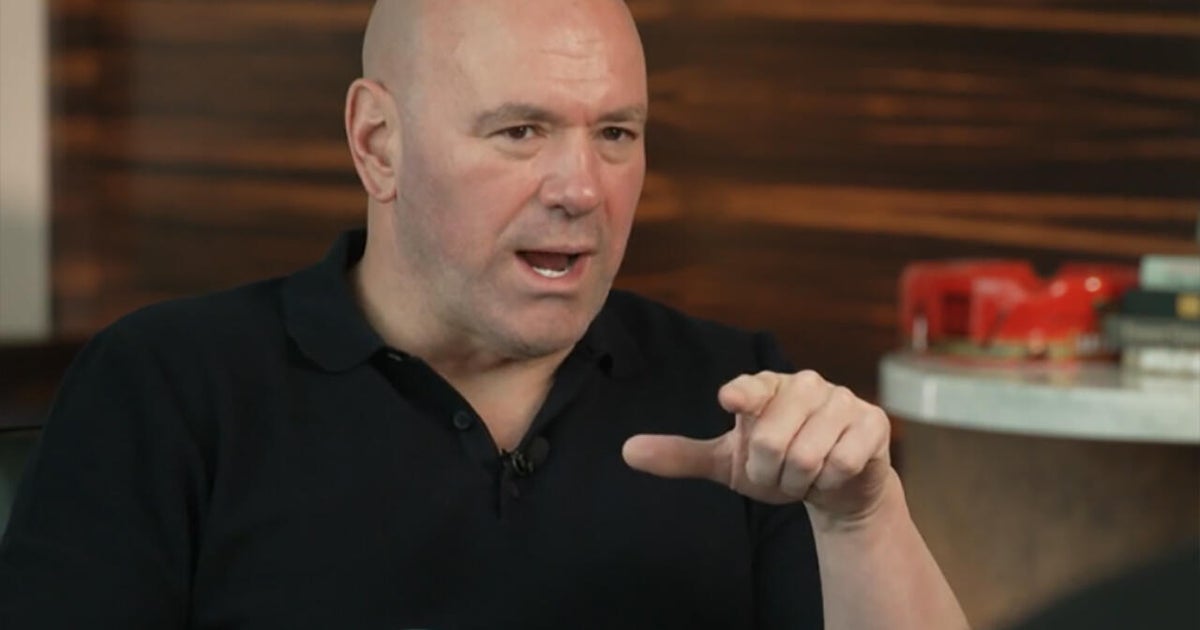
When you think about American sports, baseball might be the nostalgic pastime and football the national obsession, but there’s something uniquely captivating about the Ultimate Fighting Championship that draws millions of viewers. It’s raw, visceral, and undeniably compelling. Dana White, the CEO and president of the UFC, bristles at calling it a “guilty pleasure.” To him, it’s a legitimate sport that he’s spent decades building into a global powerhouse. And he’s not wrong—the proof is in the pudding. This summer, the UFC reaches what might be its most prominent cultural moment yet: hosting a match on the South Lawn of the White House. Officially billed as a celebration of America’s 250th birthday, the event is scheduled for June 14—which just happens to be President Trump’s birthday. It’s a far cry from the sport’s humble and controversial beginnings.
From his Las Vegas headquarters, White presides over what can only be described as a testosterone-fueled empire. His office is adorned with memorabilia that screams intensity and power, including a genuine saber-tooth tiger skull. But this success story didn’t happen overnight. In its earliest incarnation, the UFC was so brutal and unregulated that it was essentially banned from mainstream television and relegated to pay-per-view only. The early fights were shockingly violent, with minimal rules governing what fighters could do to each other. There were moments—like when Keith Hackney relentlessly struck Joe Son in the groin, and it was considered legal—that both attracted curious viewers and horrified regulators. White acknowledges this without apology: that extreme violence was exactly what initially drew people to the sport. But it was also what nearly killed it, as regulators across the country moved to shut it down.
A $2 Million Gamble That Changed Everything
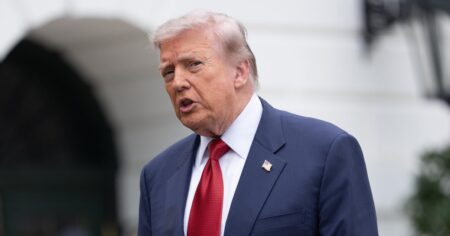
The UFC was teetering on the edge of bankruptcy when White and two of his high school friends took a massive risk and purchased the struggling league for just $2 million. It was a make-or-break moment that required not just capital but vision and sheer determination. One pivotal turning point came in Atlantic City, where the UFC desperately needed venues willing to host their controversial fights. At a time when most establishment figures wanted nothing to do with the sport, a casino owner named Donald Trump stepped up. White recalls that Trump didn’t just lend his venue—he showed genuine interest, arriving for the first fight of the night and staying until the very last one concluded. From that point forward, whenever the UFC achieved a milestone, Trump was consistently among the first to reach out with congratulations and encouragement. According to White, this business relationship gradually evolved into a genuine friendship.
That friendship eventually had political implications. White became instrumental in helping Trump’s presidential campaigns, particularly by advising him to appear on influential “manosphere” podcasts leading up to the 2024 election. White’s reasoning was straightforward and strategic: the people watching Fox News were already planning to vote for Trump, but there was an untapped audience of younger men who could relate to Trump’s personality and style. White believed that Trump is fundamentally “a guy’s guy,” and that appearing on these male-focused platforms would resonate with a younger generation. Some political analysts have even suggested that these podcast appearances may have been a decisive factor in swinging the election. Meanwhile, White’s primary focus remained on transforming the UFC from an underground spectacle into a mainstream sporting institution.
Building Legitimacy Through Rules and Safety
Making the UFC respectable required fundamental changes to how the sport operated. White and his team implemented comprehensive rules and safety measures that would satisfy regulators and make the sport palatable to a broader audience. When asked what goes through his mind when he sees a fighter get knocked out cold in the octagon, White points to the organization’s safety record, emphasizing that health and well-being are paramount concerns. The UFC now boasts what White calls “a perfect 30-year record” when it comes to fighter safety—a claim that reflects the organization’s evolution from its no-holds-barred origins.
The business growth has been nothing short of spectacular. In 2016, the UFC sold for an impressive $4 billion—a two-thousand-fold return on White’s initial investment. But the momentum didn’t stop there. This past August, CBS’s owner, Paramount-Skydance, agreed to pay nearly $8 billion to stream UFC content on Paramount+ and broadcast it on traditional television. The first CBS-televised fight is scheduled to air soon, marking another milestone in the sport’s journey toward mainstream acceptance. The path to that CBS deal included the usual UFC promotional activities—press conferences where fighters like Ilia Topuria (a Georgian fighter representing Spain and former UFC featherweight champion) could boldly declare “I’m the best fighter in the world. I’m going to knock him out in the first round” before his lightweight title bout against Brazil’s Charles Oliveira. Then came the Friday afternoon weigh-ins, the final ritual before Saturday night’s main event.
The Business of Fighting and Its Controversies
While headlining fighters can earn millions, the topic of fighter compensation remains contentious within the sport. In 2024, the UFC settled a class-action lawsuit that alleged systematic underpayment of fighters—a reminder that even as the organization has grown into a multi-billion-dollar enterprise, questions about how wealth is distributed remain unresolved. But White’s ambitions extend beyond traditional mixed martial arts. He’s also launched Power Slap, a new combat franchise that is exactly what the name suggests: competitors take turns slapping each other. White approaches this venture with the same entrepreneurial confidence that built the UFC, saying that success in Power Slap requires both the ability to deliver a powerful slap and the physical resilience to withstand one. He sees the same opportunity in Power Slap that he recognized in the early UFC, believing he can transform it into something significant.
The lifestyle surrounding White is as outsized as his professional persona. On one Friday night, cameras followed him to a high-stakes baccarat room in Las Vegas, where he casually bought in for $1 million. On this particular evening, fortune smiled on him, and he walked away $1.2 million richer after just fifteen minutes at the table. When asked if winning over a million dollars in a quarter-hour puts him in a good mood for the next day’s fights, White laughed and admitted, “It definitely doesn’t suck!” The gambling, the lavish parties, and the combative rhetoric all contribute to a larger-than-life image—but it’s also an image that has faced significant controversy.
Personal Challenges and Public Scrutiny
In 2023, White faced intense public scrutiny when security camera footage from a nightclub in Mexico captured an altercation between him and his wife. When asked about that night, White didn’t deflect or make excuses. He acknowledged what happened without blaming alcohol or external circumstances, calling it something that “never should have happened” but did happen “on the world stage.” He described it as something his family had to address privately and work through together before moving forward. When pressed on whether this incident revealed his true character, White responded affirmatively, explaining that experiencing something like that forces you to look in the mirror the next morning and ask yourself how it happened and how to ensure it never happens again.
UFC fans, for their part, seem largely unfazed by the controversy. When cameras visited UFC X—a fan experience event in Las Vegas—enthusiasts were lining up in the brutal summer sun for a chance to immerse themselves in all things ultimate fighting. One young fan candidly admitted, “I love seeing dudes get knocked out. It’s my favorite thing in the world”—a statement that captures both the appeal and the criticism of the sport. Finally, Saturday night arrived, and it was time for the main event. The title fight between Topuria and Oliveira proved to be a brief but bloody affair that left the crowd buzzing with excitement. Dana White crowned a new champion, but his mind was already moving to what came next: a vacation at his place in Maine, with one notable stop along the way—dinner at the White House with his old friend, the president.
Authenticity in a Divided World
When asked about navigating the political minefield of modern America—trying to avoid alienating half of his sport’s fanbase by being overtly political—White offered a perspective that feels increasingly rare in our polarized times. Rather than advocating for calculated neutrality or strategic positioning, he argued for something simpler: authenticity. “Just be yourself,” he said. “You don’t have to agree with me, and you don’t have to like it, and I don’t have to agree with you, but we can all still just get along. That’s how this is supposed to work.” It’s a philosophy that mirrors the directness of the sport he’s built—no pretense, no apologies, just the raw reality of competition and human nature.
Dana White’s journey with the UFC represents a uniquely American story of risk, reinvention, and relentless ambition. From a nearly bankrupt operation that respectable venues wouldn’t touch to a multi-billion-dollar enterprise that will soon showcase its athletes on the White House lawn, the transformation has been remarkable. Whether you view mixed martial arts as a legitimate sport or a violent spectacle says something about your values and comfort with controlled aggression as entertainment. But there’s no denying the cultural impact the UFC has had, particularly among younger male demographics seeking something more primal than traditional team sports offer. As the sport continues to evolve—with better safety protocols, larger broadcast deals, and increasing mainstream acceptance—it faces ongoing questions about fighter compensation, long-term health impacts, and the ethics of entertainment built on physical combat. Yet for Dana White and the millions of fans worldwide, these concerns don’t diminish the fundamental appeal: two skilled athletes testing themselves against each other in the most direct way possible. In an increasingly digital and mediated world, there’s something viscerally compelling about that elemental human contest.