
The Economic Shockwaves of the Iran Conflict: What It Means for Global Markets and Your Wallet
Energy Markets in Turmoil as Middle East Tensions Escalate
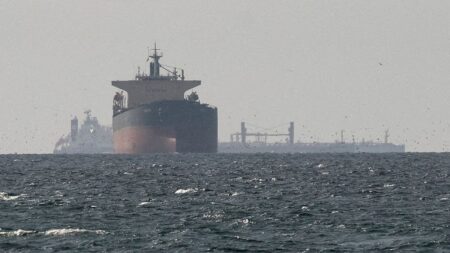
The reverberations from the escalating conflict involving Iran are already rippling through global financial markets, and British households may soon feel the pinch through higher energy costs and increased consumer bills. Following a series of American and Israeli military strikes on Iran and Tehran’s subsequent retaliatory attacks across multiple Middle Eastern nations, the immediate consequence has been a sharp surge in both oil and gas prices worldwide. The Persian Gulf, which serves as the world’s most critical corridor for fossil fuel transportation, has effectively ground to a halt. This narrow waterway, separating Iran from major energy producers like Saudi Arabia, Qatar, and the United Arab Emirates, has become a flashpoint of tension. Iranian military officials have issued threats against vessels attempting to navigate through the Strait of Hormuz, making it virtually impossible for shipping companies to secure insurance coverage for their tankers. The result is a maritime traffic jam, with dozens of vessels anchored on both sides of the strategic passage near Ras-al-Khaimah, their crews awaiting further instructions. Making matters worse, Iran has launched direct attacks on significant oil and gas facilities in Saudi Arabia and Qatar, including terminals crucial for producing liquefied natural gas (LNG). These strikes send a clear message that Tehran considers energy infrastructure fair game as it attempts to maximize the economic pain felt by Washington’s regional allies.
The Immediate Price Impact on Fuel and Energy
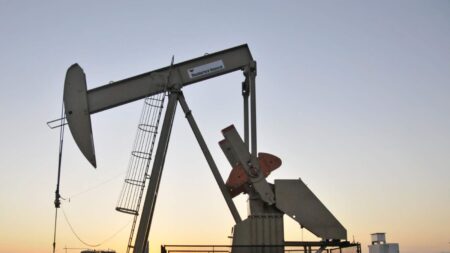
Since the outbreak of hostilities, oil prices have climbed approximately 18%, pushing Brent crude to hover near $83 per barrel. This marks an abrupt end to a period of relative price stability that consumers had been enjoying, which was largely the result of global oil oversupply. British drivers will inevitably see these increases reflected at the petrol pump in the coming weeks, with wholesale petrol prices already up 2.3% and diesel prices experiencing a more substantial 7% increase. However, the most significant economic impact for UK residents could come through energy bills, given Britain’s particular vulnerability to fluctuations in wholesale gas prices. Natural gas costs have skyrocketed by 93% since the conflict began, creating serious concerns about household budgets. The reason gas prices hit British consumers so hard is that gas plays an absolutely central role in the UK’s electricity system. It’s not merely a source of heating and direct power; gas-fired power plants provide crucial flexible capacity that can be ramped up or down to meet demand fluctuations. Perhaps more importantly, in the current market structure, gas effectively sets the wholesale price for electricity from all sources, meaning that when gas becomes more expensive, electricity prices follow suit regardless of how that electricity was actually generated.
Wholesale Market Chaos and Historical Context
Over just four days, UK wholesale gas prices more than doubled, soaring above 150 pence per therm. This dramatic increase has triggered the highest-ever spike recorded in the electricity wholesale market, creating alarm among industry observers and policymakers alike. While these numbers are undeniably concerning, it’s worth putting them in historical perspective. The current price surge, though severe, hasn’t yet reached the catastrophic levels witnessed following Russia’s invasion of Ukraine in early 2022. During that crisis, UK gas prices rocketed above 600 pence per therm, pushing average annual household energy bills beyond £4,000 and forcing the government to implement an £80 billion state bailout to protect domestic consumers from the full brunt of the price shock. If the current price volatility persists, the consequences will be felt across British society. Households, already struggling with the cost of living, could face renewed pressure on their budgets. British businesses and industrial users, who already contend with the highest energy costs in the developed world, may find their competitive position further eroded. Manufacturing, chemical production, and other energy-intensive industries could face existential questions about whether they can continue operating profitably in the UK.
The Price Cap Buffer and What Comes Next
For now, British households have a temporary shield against these market convulsions. Domestic bill payers won’t see an immediate impact because the most recent price cap set by energy regulator Ofgem was announced just last week and will remain in effect from April through June. In fact, this latest cap actually lowered the maximum price by seven percent compared to the previous period, offering consumers a brief respite. However, the outlook beyond June is clouded with uncertainty. The way Ofgem calculates its price cap means it bases the allowed charges on wholesale market data gathered during the preceding three months. That three-month window has just opened, which means it will capture all the price turbulence caused by the Middle East conflict. Consequently, when Ofgem announces the price cap for the July-September period, it could reflect significantly higher costs. For consumers, this timing creates an important window for action. While it’s always prudent to review your energy tariff periodically, the current moment may be particularly opportune for considering whether to lock in fixed-rate deals offered today, which might not be available or might be considerably more expensive come summer. Businesses don’t enjoy the same protection as households. Without the cushion of a price cap, commercial and industrial energy users may face the full force of price increases depending on their specific contracts. If this conflict drags on, expect mounting pressure on the government to implement measures to reduce energy costs for businesses, possibly including targeted support for energy-intensive industries or temporary relief on environmental levies.
The Reignited Net Zero Debate
The conflict has reignited and intensified the already contentious debate about British energy policy, particularly the government’s strategy of expanding renewable energy capacity to reduce emissions and, in the words of Energy Secretary Ed Miliband, “end the fossil-fuel rollercoaster.” The pursuit of Net Zero emissions has become one of the clearest dividing lines in contemporary British politics. Labour is committed to accelerating the green transition, pushing further and faster toward renewable energy and away from fossil fuels. The Conservative Party, despite having introduced many of these policies when in government, has recently distanced itself from its own Net Zero commitments. Meanwhile, Reform UK has sought to weaponize the issue, portraying environmental policies as economically damaging and out of touch with ordinary people’s concerns. The Iranian conflict provides rhetorical ammunition for both sides of this increasingly polarized debate. Advocates of Net Zero can point to the current oil and gas price spikes as vindication of their argument that Britain needs to develop long-term alternatives to fossil fuels, reducing exposure to volatile international energy markets controlled by unstable regions and hostile powers. Yes, the transition carries significant costs, they acknowledge, but remaining dependent on fossil fuels leaves the country economically vulnerable to precisely these kinds of geopolitical shocks. On the other side, opponents of rapid decarbonization and many politically neutral observers concerned primarily with achieving sustainably lower energy prices argue that the crisis demonstrates the need to maximize domestic fossil fuel reserves, particularly in the North Sea.
Domestic Production Versus Green Transition
The Labour government has banned new drilling licenses for North Sea oil and gas extraction and extended the windfall tax on oil and gas producers, citing evidence that the North Sea basin is in long-term decline with shrinking economically recoverable reserves. Government officials argue that investing in a declining resource makes little economic sense when those funds could instead support the renewable energy infrastructure of the future. However, Conservatives and other critics counter that even if North Sea oil and gas is sold on international markets at international prices—meaning it can’t provide British consumers with a direct discount—domestic production still offers advantages. At a minimum, they argue, extracting fossil fuels from the North Sea comes with significantly lower carbon emissions than importing equivalent quantities from overseas, when you account for transportation and the production methods used in some exporting countries. Some go further, suggesting that in times of international crisis, having domestic production capacity provides energy security that shouldn’t be surrendered lightly. These arguments are likely to intensify across multiple dimensions: politically, as parties seek to differentiate themselves and appeal to voters; economically, as businesses and consumers grapple with high energy costs; and culturally, as the conflict becomes another front in broader debates about Britain’s future direction. The undeniable reality is that high energy prices have serious industrial consequences, affecting everything from heavy manufacturing to the viability of high streets where shops struggle with utility bills. Whether this Middle East conflict proves to be a brief but intense spasm of violence or the opening chapter of a prolonged campaign remains impossible to predict with certainty. What is certain, however, is that British consumers—whether filling their cars with petrol, heating their homes, or buying goods whose prices reflect manufacturers’ energy costs—will feel the economic impact either way.