
UK Economic Outlook: A Mixed Picture of Challenges and Hope
Short-Term Slowdown, Long-Term Optimism
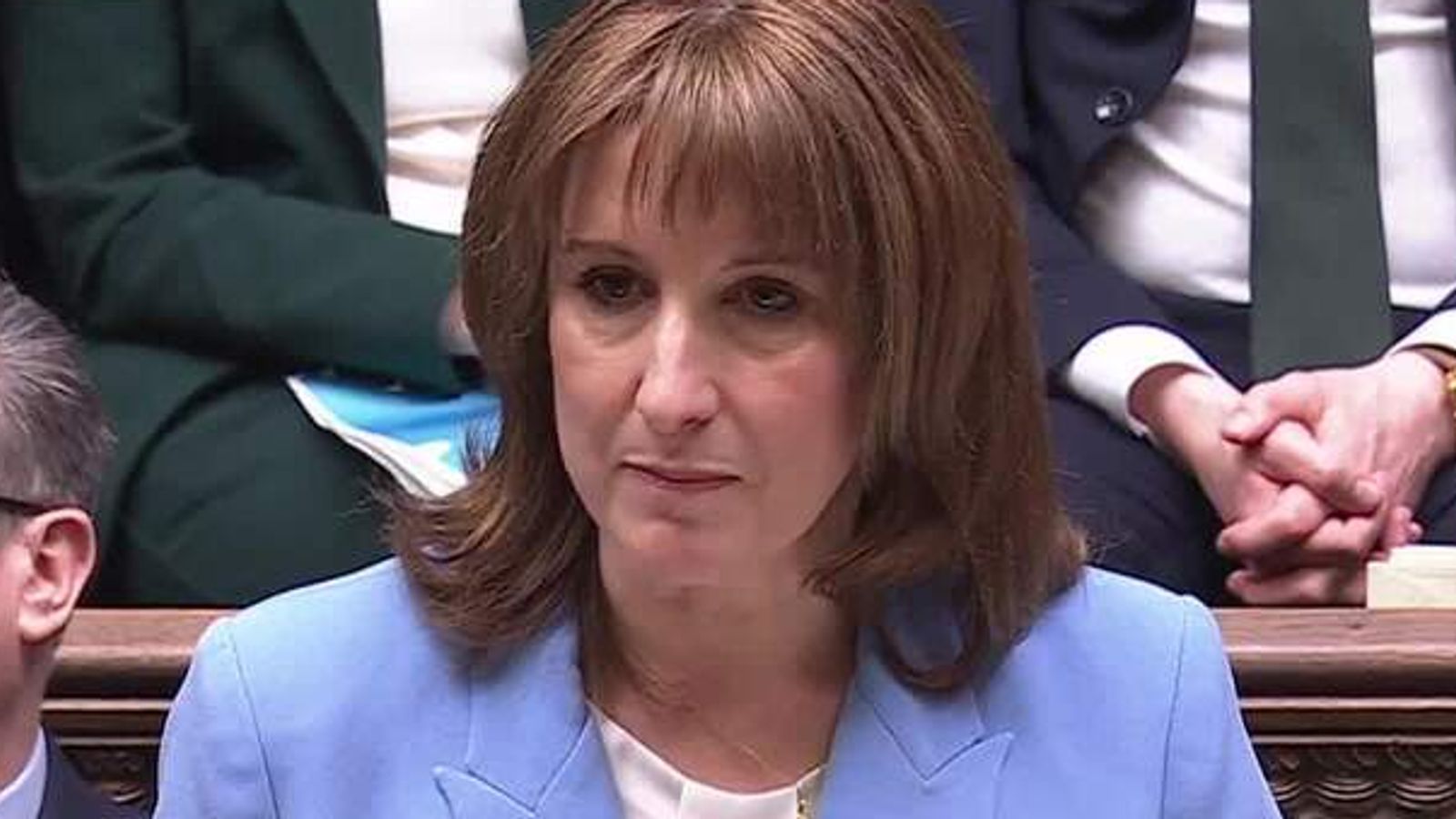
Chancellor Rachel Reeves has painted a nuanced picture of Britain’s economic future in her latest spring statement to Parliament. While the news isn’t entirely rosy in the immediate term, there are genuine reasons for cautious optimism as we look further ahead. The core message is straightforward: yes, 2026 looks a bit tougher than we’d hoped, but the economy appears to be building momentum for stronger growth in the years that follow. It’s a bit like climbing a hill – the next stretch might be steeper than expected, but once we’re over that hump, the path ahead looks clearer and more promising.
The Office for Budget Responsibility, the government’s independent economic forecaster, has revised its predictions for how fast the UK economy will grow. For 2026, they’ve trimmed their expectations from 1.4% growth down to 1.1%. That’s not catastrophic, but it does represent a meaningful slowdown. Think of it as the economy shifting from a brisk walk to a more measured pace. However, the story improves from 2027 onward. Growth projections for 2027 have been upgraded from 1.5% to 1.6%, and the same upward revision applies to 2028. For 2029 and 2030, the forecasts remain steady at 1.5%. What this tells us is that while we might need to tighten our belts a bit more in the near term, the foundations are being laid for more sustainable economic expansion in the second half of the decade. The chancellor has framed these numbers as evidence that the Labour government’s economic policies are beginning to bear fruit, even if the benefits aren’t arriving quite as quickly as everyone would like.
The Jobs Picture: Tough Times Before Better Days
Perhaps the most immediate concern for ordinary British families is what’s happening with employment. Chancellor Reeves has confirmed what many workers across the country have been nervously anticipating: unemployment is going to get worse before it gets better. The jobless rate is expected to peak sometime later this year, continuing an upward trend that’s already been underway. For anyone currently searching for work or worried about their job security, this is understandably troubling news. Rising unemployment means more people competing for fewer positions, wage pressures, and real anxiety in households across the nation.
However, the chancellor also offered a message of hope for the medium term. According to the OBR’s forecasts, unemployment will begin to fall from 2027 onward and will continue declining through 2030. By the end of this projection period, the unemployment rate is expected to settle at 4.1%, which would actually be lower than where it stood in 2024. This trajectory suggests that once the economy works through its current challenges, the job market should strengthen considerably. It’s worth remembering that a 4.1% unemployment rate would be considered quite healthy by historical standards – it suggests an economy where most people who want to work can find employment. The path there won’t be easy, particularly for those who lose their jobs or struggle to find new ones over the next year or so, but the direction of travel offers genuine reason for optimism about Britain’s employment prospects in the latter half of the decade.
Government Finances: Borrowing Less Than Expected
One of the more encouraging aspects of the chancellor’s statement relates to government borrowing – essentially, how much money the state needs to borrow to balance its books. The OBR now predicts that public borrowing will come in at £18 billion less than they had forecast back in November. That’s a significant improvement and suggests the government’s financial position is somewhat stronger than anticipated. To put it in household terms, it’s like discovering you won’t need to put quite as much on the credit card as you’d feared.
Rachel Reeves emphasized that Britain is now set to borrow less than the average for G7 countries – that’s the group of major advanced economies including the United States, Japan, Germany, France, Italy, and Canada. This comparison matters because it positions the UK as exercising relatively prudent financial management compared to its peers. The specific forecasts show public sector net borrowing declining steadily as a percentage of GDP: from 4.3% in 2026 down to just 1.8% by 2030. This downward trajectory is exactly what economists and financial markets want to see. It demonstrates that the government has a credible plan to gradually reduce its reliance on borrowed money while still investing in public services and economic growth. Lower borrowing also means less money spent on interest payments, freeing up resources for schools, hospitals, infrastructure, and other priorities that directly benefit citizens. While government debt and borrowing figures can seem abstract, they fundamentally affect how much money is available for the services we all depend on.
Migration Numbers: Lower Than Predicted
The chancellor also addressed net migration – the difference between the number of people coming to live in the UK and those leaving. This has been a politically sensitive topic for years, with various governments promising to bring the numbers down. The latest forecast shows net migration settling at around 235,000 people per year, which is lower than the previous prediction of 295,000. However, it’s worth noting that this is still higher than an earlier forecast from this year, which had suggested the figure might fall to 204,000.
These migration figures have real economic consequences that go beyond the political debate. Fewer migrants means fewer workers contributing to the economy and paying taxes, which translates to reduced tax receipts for the government. It also means less money being spent on housing, food, transport, and all the other things that support economic activity. The economic forecasters factor these migration numbers into their predictions for GDP growth – fewer people generally means somewhat slower economic expansion, all else being equal. However, the reduction wasn’t as dramatic as earlier predictions, which helps explain why the overall economic impact is relatively modest. This is one of those areas where social policy decisions (about immigration rules and border controls) directly intersect with economic outcomes. The government has to balance public concerns about immigration levels with the economic reality that migrants often fill essential roles in the workforce, from healthcare to hospitality, and contribute significantly to government revenues through taxes.
What the Chancellor Didn’t Say
Interestingly, while Rachel Reeves acknowledged the ongoing situation in the Middle East during her statement, she didn’t delve into how potential disruptions in that region might affect the UK economy. This is a notable omission, given that Middle Eastern instability has historically impacted oil prices, global trade routes, and investor confidence. The chancellor’s decision to mention but not elaborate on these geopolitical risks suggests either that the OBR’s forecasts already account for various scenarios, or that the government is reluctant to appear alarmist about factors largely beyond its control. Either way, it’s worth remembering that economic forecasts are just that – forecasts. They’re based on current information and reasonable assumptions, but unexpected events, whether in the Middle East or elsewhere, can always disrupt even the most carefully constructed predictions.
The Bigger Picture: Cautious Progress
Taking a step back from the specific numbers, what does all this actually mean for ordinary people trying to plan their futures, businesses making investment decisions, or young people wondering what opportunities will be available to them? The honest answer is that we’re looking at a period of continued economic uncertainty in the near term, followed by what the government hopes will be a more stable and prosperous period. The next year or two will likely remain challenging, particularly in the job market, but the foundations are being laid for healthier growth thereafter. Chancellor Reeves characterized these forecasts as evidence that Labour’s economic policies “are starting to pay off,” though political opponents will undoubtedly contest that interpretation. What’s less debatable is that the UK, like most developed economies, is working through the aftereffects of multiple shocks – the pandemic, energy price spikes, inflation, and geopolitical tensions – that have fundamentally disrupted economic patterns. The path back to sustained growth and prosperity was never going to be quick or smooth. These latest forecasts suggest that path is still visible ahead, even if we need to navigate some bumpy terrain before we get there. For families and businesses, the message is clear enough: brace for continued difficulty in 2025 and early 2026, but start planning for better conditions as we approach the decade’s end.