
British Billionaire Jim Ratcliffe Sparks Controversy With Immigration and Welfare Comments
A Blunt Assessment of Britain’s Challenges
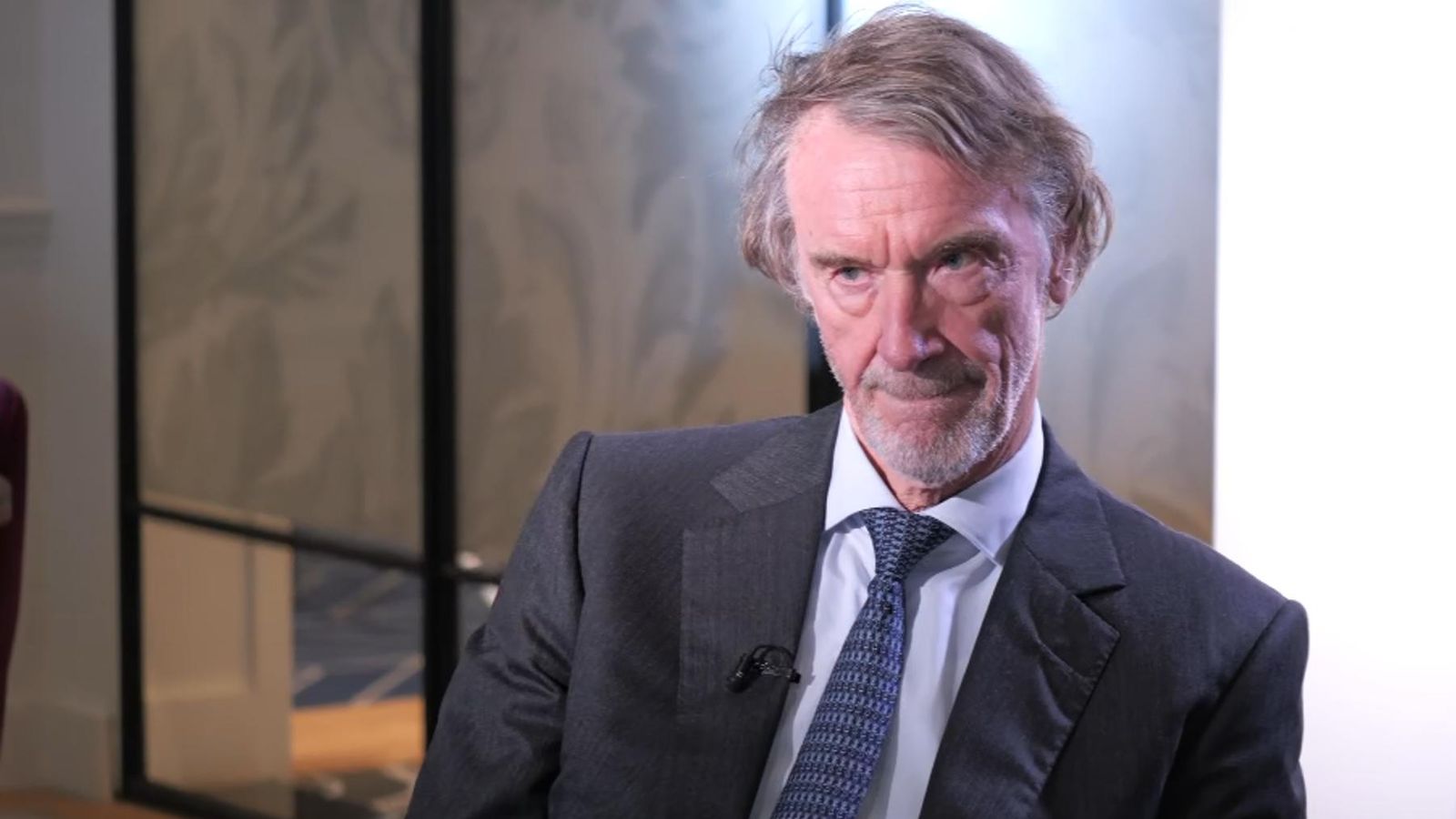
Sir Jim Ratcliffe, the billionaire founder of chemical giant INEOS and part-owner of Manchester United Football Club, has made controversial headlines with stark comments about immigration and the British economy. Speaking to Sky News on the sidelines of the European Industry Summit in Antwerp, the Monaco-based businessman didn’t mince words about what he sees as fundamental problems facing the United Kingdom. His characterization of Britain as having been “colonised” by immigrants has ignited debate across the country, touching on some of the most sensitive political and social issues of our time. According to Ratcliffe, the combination of millions of people claiming benefits alongside unprecedented immigration levels has created an unsustainable situation that’s draining the country’s resources and threatening its economic future.
Ratcliffe painted a picture of a nation struggling under the weight of competing pressures. “You can’t have an economy with nine million people on benefits and huge levels of immigrants coming in,” he stated bluntly. His use of the word “colonised” to describe immigration patterns has particularly drawn attention and criticism. He pointed to population statistics to support his concerns, noting that the UK population has grown from approximately 58.9 million in 2000 to an estimated 70 million by mid-2024 – an increase of roughly 12 million people over just over two decades. While official Office of National Statistics figures show the 2020 population was closer to 67 million rather than the 58 million Ratcliffe cited, his broader point about rapid population growth remains valid, and it’s a change that has been driven substantially by immigration in recent years.
Questions About Leadership and Difficult Decisions
Beyond immigration, Ratcliffe shared surprisingly candid views about political leadership, including subtle criticism of Prime Minister Keir Starmer. While acknowledging that Starmer is “a nice man” whom he likes personally, the industrialist questioned whether niceness is enough for the top job. “I don’t know whether it’s just the apparatus that hasn’t allowed Keir to do it or he’s maybe too nice,” Ratcliffe mused. “It’s a tough job and I think you have to do some difficult things with the UK to get it back on track, because at the moment I don’t think the economy is in a good state.” This assessment from one of Britain’s most successful businessmen carries weight, particularly given his extensive experience managing complex organizations and navigating challenging economic conditions.
Interestingly, Ratcliffe also revealed that he’d recently met with Nigel Farage, leader of the upstart Reform party that has been making inroads in British politics by focusing heavily on immigration concerns. His assessment of Farage was measured: “I think Nigel is an intelligent man, and I think he’s got good intentions.” However, Ratcliffe didn’t endorse either politician specifically, instead calling for someone willing to make unpopular decisions. “It needs somebody who’s prepared to be unpopular for a period of time to get the big issues sorted out,” he argued. This reflects a businessman’s perspective that sometimes tough medicine is necessary, even if it causes short-term pain and political backlash.
Lessons from Manchester United
Drawing parallels between running a football club and running a country, Ratcliffe used his experience at Manchester United to illustrate his point about necessary but unpopular decisions. Since becoming part-owner of one of the world’s most famous football clubs, he’s made numerous changes that haven’t always been well-received by the passionate fanbase. “I’ve been very unpopular at Manchester United because we’ve made lots of changes. But for the better, in my view,” he explained. “And I think we’re beginning to see some evidence in the football club that that’s beginning to pay off.” For Ratcliffe, this serves as a microcosm of what’s needed at the national level – leaders willing to withstand criticism and maintain conviction in their decisions even when facing intense opposition.
The football comparison isn’t as frivolous as it might first appear. Manchester United, like Britain itself, is a storied institution with a glorious past that has fallen on harder times. The club’s recent struggles and Ratcliffe’s efforts to restore it to prominence mirror the challenges facing the country. Both require structural reforms, difficult personnel decisions, and investments that may not pay immediate dividends. Both also involve managing stakeholders with passionate, sometimes conflicting interests. “But you’ve got all the same issues with the country,” Ratcliffe noted. “If you really want to deal with the major issues of immigration, with people opting to take benefits rather than working for a living, if you want to deal with that, then you’re going to have to do some things which are unpopular, and show some courage.”
The Broader European Industrial Context
Ratcliffe’s comments came during the European Industry Summit in Antwerp, where political and business leaders from across Europe gathered to discuss the continent’s economic future. Attending alongside figures like French President Emmanuel Macron and Germany’s Friedrich Merz, Ratcliffe was there primarily to discuss the chemical industry’s crisis. The summit’s timing is significant, coming amid a wave of closures across the European chemicals sector. From Ratcliffe’s perspective, the industry is facing “unsurvivable conditions” – a phrase that captures the severity of the challenges confronting European manufacturing more broadly. High energy costs, intense global competition (particularly from China and the United States), and regulatory burdens have combined to make European production increasingly uncompetitive.
This industrial context helps explain Ratcliffe’s frustration with what he sees as Britain’s misplaced priorities. From his viewpoint, the country should be laser-focused on creating conditions for businesses to thrive, compete globally, and generate the wealth needed to fund public services. Instead, he sees resources being drained by benefits spending and the costs associated with rapid population growth through immigration. Whether or not one agrees with his diagnosis, his perspective reflects genuine concerns within Britain’s business community about the country’s economic trajectory and competitiveness. The fact that such a successful businessman has chosen to base himself in Monaco rather than Britain speaks volumes about how the tax and regulatory environment affects decisions by high-net-worth individuals.
A Provocative Intervention in National Debate
Ratcliffe’s intervention has undoubtedly added fuel to Britain’s ongoing, often heated debate about immigration and welfare. His use of the word “colonised” is particularly provocative, deliberately echoing Britain’s own imperial history in a way that some will find offensive and others will see as aptly capturing how dramatic demographic change can feel. The reality is that immigration has transformed Britain significantly over the past quarter-century, bringing both benefits and challenges. Critics of Ratcliffe’s position will point to immigrants’ contributions to the economy, the NHS, and British society more broadly, while also noting that many people on benefits are British-born and that the relationship between immigration and public spending is far more complex than simple drain on resources.
However, Ratcliffe’s comments reflect concerns that resonate with many ordinary Britons who feel the pace of change has been too rapid and that their concerns have been dismissed by the political establishment. The fact that someone of his wealth and influence is willing to speak so bluntly suggests these issues won’t disappear regardless of how uncomfortable they make some people. Whether his diagnosis is correct or his proposed solutions would work remains hotly debated, but his willingness to court controversy by addressing these topics head-on has certainly ensured they remain at the center of national conversation. As Britain continues to grapple with questions about its identity, economy, and future direction, voices like Ratcliffe’s – informed by business success but also colored by his own particular perspective and interests – will continue to shape how these crucial debates unfold.