
United Airlines Cracks Down on In-Flight Noise with Mandatory Headphone Policy
A New Era of Cabin Etiquette
In a move that many frequent flyers will likely welcome, United Airlines has officially made headphone use mandatory for all passengers using personal electronic devices during flights. The airline recently updated its contract of carriage—the document that outlines all the rules and policies passengers agree to when they fly—to explicitly require travelers to wear headphones when listening to any audio or watching videos on their devices. This quiet but significant policy change, implemented on a Friday, represents what travel experts believe may be the first formal rule of its kind among major U.S. carriers. While most airlines encourage headphone use as a courtesy, United has taken the unprecedented step of making it an enforceable requirement, potentially setting a new standard for in-flight behavior across the industry.
The Details Behind the Policy
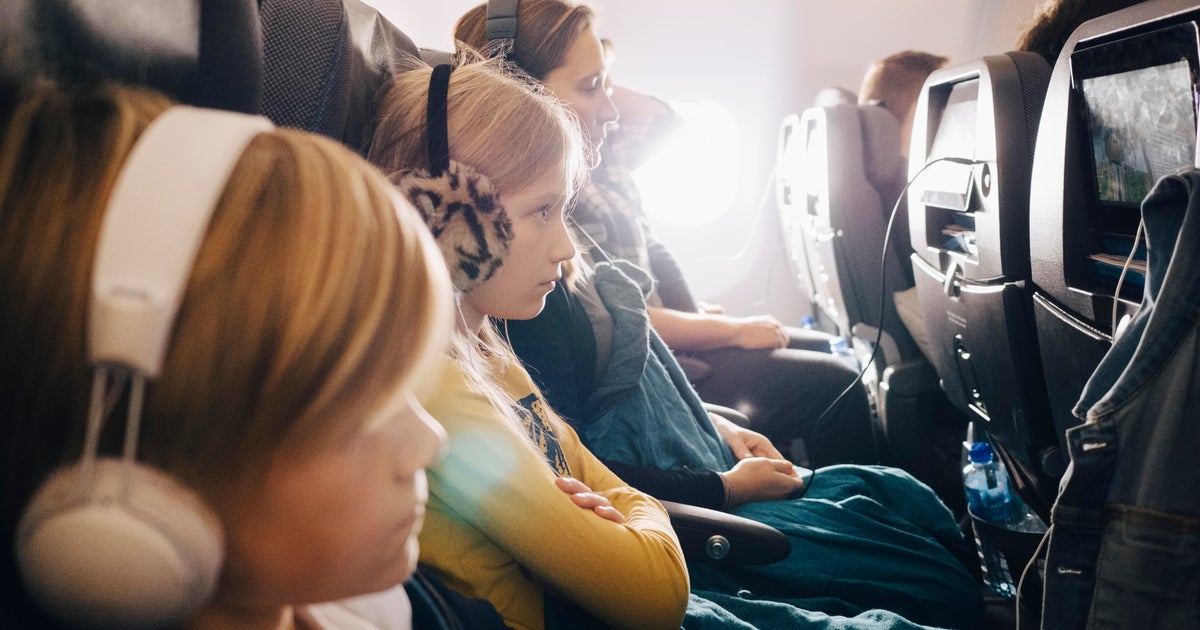
The revised contract of carriage leaves no room for ambiguity about what’s expected from passengers. According to the new language, anyone listening to music, watching videos, or scrolling through social media feeds that produce sound must wear headphones throughout their flight. This applies to all personal electronic devices, whether smartphones, tablets, laptops, or any other gadgets passengers might bring aboard. The policy isn’t just a gentle suggestion or a polite request from flight attendants—it’s now an official rule with real consequences for those who choose to ignore it. United has made it clear that they’re serious about enforcement, stating explicitly that the airline reserves the right to remove passengers from flights if they refuse to comply with the headphone requirement.
Serious Consequences for Non-Compliance
What makes this policy particularly noteworthy isn’t just the requirement itself, but the potential ramifications for passengers who don’t follow the rules. United has indicated that violations could result in more than just being asked to leave a particular flight. The airline’s updated contract of carriage states that it may “refuse transport, on a permanent basis” to passengers who fail to use headphones while consuming audio or video content. In other words, repeatedly ignoring this policy—or perhaps even a single egregious violation—could result in a lifetime ban from flying United. This represents a significant escalation in how airlines handle what might seem like minor etiquette violations, but it underscores just how seriously United is taking the issue of noise pollution in its cabins. The airline clearly wants to send a message that respectful behavior toward fellow passengers isn’t optional, and they’re willing to back up that message with meaningful consequences.
Expert Perspectives on the Groundbreaking Move
Travel industry expert Scott Keyes, when asked about United’s new policy, confirmed that he wasn’t aware of any other major U.S. airline that has adopted such an explicit rule. While other carriers certainly encourage passengers to use headphones and flight attendants regularly remind travelers to be considerate of others, none have formalized this expectation to the degree United has. Keyes told CBS News that he views the policy positively, describing it as “a graceful way” to handle the small minority of passengers who create noise disturbances by playing audio without headphones. He noted that the new rule “is in line with how the vast majority of travelers comport themselves and would like others to comport themselves,” suggesting that United is essentially codifying behavior that most passengers already practice and expect from others. The expert’s observation highlights an important point: this policy isn’t about changing how most people behave on planes, but rather about giving the airline clear authority to address the disruptive actions of the few who don’t naturally follow common courtesy.
Practical Implementation and Passenger Support
Recognizing that passengers might occasionally forget their headphones or arrive at the airport without a pair, United has built some flexibility into the enforcement of its new policy. The airline notes on its website that in many cases, it can provide customers who forget their headphones with a free pair of earbuds. “Don’t worry if you forget your headphones for your flight. If they’re available, you can request free earbuds,” the airline’s website states. This practical approach shows that United isn’t looking to punish passengers who make honest mistakes or have genuine oversights—the airline is providing a solution that allows travelers to comply with the new requirement even if they weren’t initially prepared. This aspect of the policy demonstrates that United is trying to strike a balance between maintaining a peaceful cabin environment and being reasonable about the realities of air travel, where people sometimes forget items or make last-minute flight decisions without all their usual accessories.
The Broader Implications for Air Travel
United’s decision to formalize a mandatory headphone policy reflects broader trends in the aviation industry as airlines work to improve the passenger experience in an era where flying has become increasingly stressful and crowded. As planes fill to capacity and personal space becomes more limited, small annoyances that might have been tolerable on half-empty flights can become major sources of tension. The sound from someone’s phone or tablet—whether it’s music, a video, a game, or social media clips—can be particularly irritating in the confined space of an aircraft cabin where escape is impossible. By establishing clear rules around noise, United is addressing a common complaint that has likely been the source of numerous passenger conflicts and complaints to flight attendants. The policy also comes at a time when airlines are generally re-evaluating what behaviors should be mandatory versus merely suggested, especially in the wake of pandemic-era mask mandates that demonstrated both the challenges and the necessity of enforcing cabin-wide rules.
This move by United could very well influence other airlines to adopt similar policies, potentially making mandatory headphone use an industry standard rather than an outlier practice. As the traveling public becomes accustomed to this expectation on United flights, passengers might begin to demand the same courtesy-enforcement on other carriers, creating pressure for competitors to follow suit. Whether or not this happens, United’s policy represents an interesting case study in how airlines are attempting to regulate passenger behavior to create a more pleasant flying experience for everyone. It acknowledges the reality that while the vast majority of travelers are considerate, it only takes one person playing music or videos at audible volumes to disturb dozens of nearby passengers. By creating an enforceable rule with real consequences, United is essentially saying that peaceful cabin environments are a priority worth protecting through formal policy rather than relying solely on individual courtesy and informal social pressure.