
US Airports Face Crisis as Unpaid Security Staff Walk Out Amid Government Shutdown
The Growing Security Nightmare at American Airports
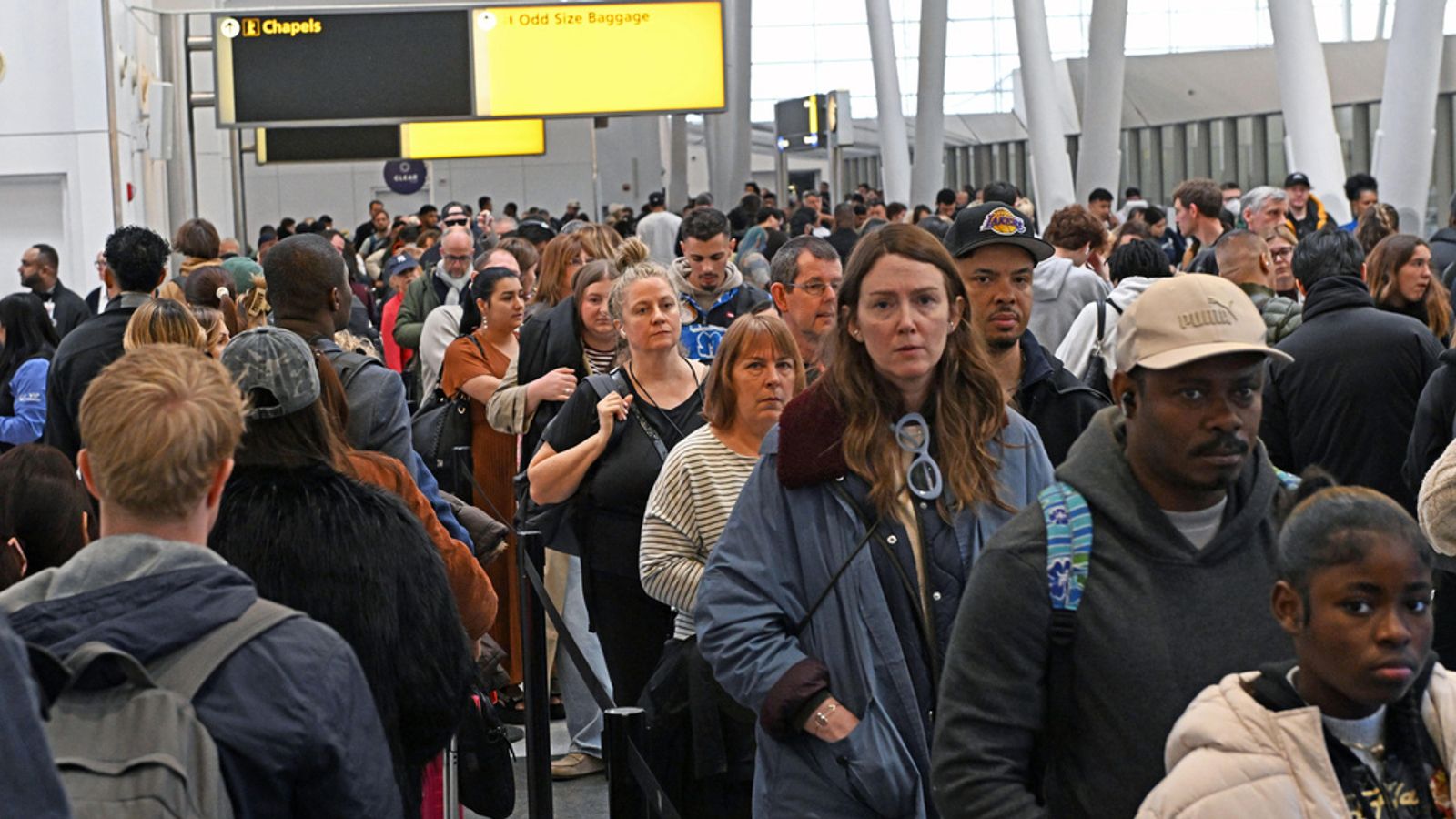
American travelers are experiencing unprecedented chaos at airports across the country as a government shutdown has left approximately 50,000 Transportation Security Administration (TSA) workers without pay since mid-February. The situation has deteriorated to the point where some airports may be forced to close their doors entirely, according to Ha Nguyen McNeill, the acting head of the TSA, who described the circumstances as nothing short of a “dire situation.” The impact on everyday travelers has been dramatic and frustrating, with security checkpoint wait times reaching levels never before seen in TSA’s history. Some passengers have reported standing in line for more than four and a half hours just to get through security screening, transforming what should be routine travel into an exhausting ordeal. Major airports across the nation are reporting call-out rates—a measure of employee absence—between 40% and 50%, a staggering increase from the normal 4% rate. The reason behind these absences is straightforward and heartbreaking: dedicated security workers simply cannot afford to show up for work when they’re not being paid for their labor.
The Human Cost Behind the Political Deadlock
The shutdown has created a humanitarian crisis for TSA employees who find themselves caught in the crossfire of political disagreement. Nearly 500 TSA workers have already resigned from their positions, unable to continue working without compensation. The stories emerging from those still on the job paint a picture of desperation and sacrifice that goes far beyond typical workplace challenges. According to McNeill’s testimony before the House Homeland Security Committee, some TSA staff members are sleeping in their cars because they can no longer afford their rent or mortgage payments. Others have resorted to selling their blood and plasma—literally giving parts of themselves—just to put food on the table and keep the lights on at home. Many have taken on second jobs, working around the clock to survive, yet they’re still expected to maintain the highest levels of performance and vigilance when they put on their TSA uniforms to protect the traveling public. This impossible situation raises serious questions about both the ethics of expecting unpaid labor and the practical concerns about security effectiveness when screeners are exhausted, stressed, and financially devastated.
Political Standoff Blocking Resolution
At the heart of this crisis lies a bitter political dispute between Democrats and Republicans over funding for the Department of Homeland Security, the parent organization that oversees the TSA. The two parties remain at an impasse, unable to reach a compromise that would restore funding and get workers back on regular payroll. Democrats are insisting on significant changes to immigration and deportation operations before they’ll approve the funding bill. Their demands stem from public outrage following the controversial killings of two individuals in Minneapolis earlier this year by Immigration and Customs Enforcement (ICE) officers. These incidents sparked national debate about ICE’s role, tactics, and oversight, and Democrats are using the funding negotiations as leverage to force reforms. Meanwhile, the Trump administration has responded to the TSA staffing crisis by deploying ICE agents to some airports to help with what McNeill described as “non-specialized screening functions.” However, this move has proven inflammatory rather than helpful, with critics arguing that it’s an inappropriate use of immigration enforcement officers and does little to address the underlying problem of unpaid TSA workers. As politicians continue their standoff, ordinary Americans on both sides of the security checkpoint are suffering the consequences.
Breaking Point: Violence and Deteriorating Conditions
The stress of the shutdown is manifesting in increasingly dangerous ways at airport security checkpoints across the country. McNeill revealed shocking statistics during her congressional testimony: assaults on TSA workers have increased by 500% since the shutdown began in mid-February. Frustrated passengers, facing hours-long waits and understanding that the screeners before them are working without pay, are taking out their anger on the very workers who are themselves victims of the situation. This creates a vicious cycle where stressed, unpaid workers must deal with increasingly hostile travelers while maintaining the focus and attention to detail that security screening requires. The situation at specific airports illustrates the scope of the problem. Houston’s airport boss, Jim Szczesniak, issued a stark warning in a video posted to the airport’s website, explaining that security wait times of up to four hours could grow even longer if a resolution isn’t reached soon. In a desperate attempt to manage the situation, Houston airport has redeployed employees from departments like IT, finance, and maintenance to help manage the security lines—but Szczesniak acknowledged this stopgap measure isn’t sustainable long-term. New York’s LaGuardia Airport presented similar scenes of chaos, with lines on Wednesday afternoon stretching virtually the entire length of Terminal B, creating a snake of frustrated travelers that seemed to have no end.
Looking Ahead: World Cup Concerns and Staffing Crisis
The timing of this crisis couldn’t be worse for America’s international image and practical logistics. When McNeill appeared before the committee, she acknowledged concerns about the upcoming World Cup in June, when hundreds of thousands of international fans are expected to flood through American airports. The prospect of maintaining security and managing crowds during such a major international event seems nearly impossible given the current circumstances. Making matters worse, McNeill explained that training new TSA staff takes between four to six months—meaning that even if funding were restored tomorrow, the agency couldn’t quickly replace the workers who have already quit. Perhaps most alarming for the TSA’s future staffing prospects, job applications have dried up significantly. Word has apparently gotten out about the vulnerability of TSA positions to political shutdowns and unpaid work periods, making potential applicants think twice about joining an organization that might not pay them reliably. This creates a potential long-term staffing crisis that could extend well beyond whenever the current shutdown eventually ends.
Rejected Solutions and Uncertain Future
In a twist that highlights the complicated politics surrounding the shutdown, the White House has reportedly rejected an unconventional offer from Elon Musk, the world’s richest person, to personally pay TSA wages during the shutdown. Musk made his offer publicly on X (formerly Twitter) over the weekend, but according to CBS News, the administration turned down what might have provided immediate relief to struggling workers. The reasons behind rejecting this offer weren’t entirely clear, but likely involve concerns about accepting private funding for essential government security functions and the precedent such an arrangement might set. As the shutdown continues with no clear resolution in sight, the situation grows more precarious by the day. The TSA, already hemorrhaging experienced staff and struggling to attract new applicants, faces an uncertain future even after funding is eventually restored. The airports themselves are running out of stopgap measures and temporary solutions. Travelers are increasingly frustrated and sometimes violent. And most importantly, the dedicated security professionals who have continued showing up to work despite missing multiple paychecks are reaching their breaking point. The question now isn’t just when this shutdown will end, but what permanent damage it may have done to America’s airport security infrastructure and the dedicated workforce that keeps travelers safe.