
Federal Reserve Holds Rates Steady Amid Iran Conflict and Soaring Energy Prices
Fed Maintains Current Policy Despite Inflation Pressures
The United States Federal Reserve has decided to keep interest rates unchanged even as inflation forecasts climb higher, driven largely by dramatic increases in global energy prices following escalating military tensions with Iran. The central bank’s decision reflects the delicate balancing act it faces as the conflict between the United States, Israel, and Iran continues to disrupt energy markets worldwide. The Fed has revised its inflation projections upward, acknowledging that the world’s largest economy faces mounting pressure from energy price shocks that threaten to spread throughout the broader economic system. Federal Reserve Chair Jay Powell characterized the situation as “uncertain” while confirming that the ongoing conflict will inevitably impact inflation rates in the coming months. This cautious stance represents the Fed’s attempt to avoid overreacting to what could be a temporary disruption while remaining vigilant about the risks of allowing higher prices to become permanently embedded in the economy.
Energy Crisis Intensifies as Middle East Conflict Escalates
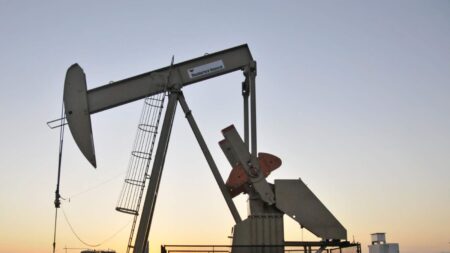
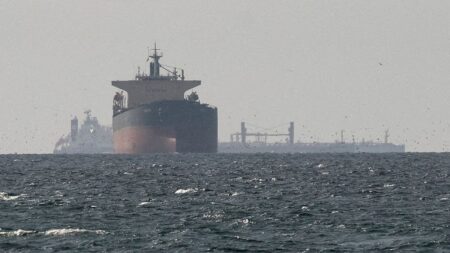
The surge in energy prices stems directly from military actions targeting Iran’s energy infrastructure and the subsequent Iranian retaliation against oil and gas facilities throughout the Gulf region. The conflict has severely restricted the flow of energy supplies through the strategically vital Strait of Hormuz, a chokepoint through which a significant portion of the world’s oil passes. This disruption has created a global supply squeeze that sent oil prices soaring, with Brent crude climbing more than 5% in a single day to reach $109 per barrel, marking a staggering 50% increase over the course of just one month. The price rally accelerated following an Israeli strike on a major Iranian gas field and subsequent Iranian threats to target energy infrastructure across the broader Middle East region. These developments have created an atmosphere of profound uncertainty in global energy markets, with traders and policymakers alike struggling to predict how long the crisis might last and how much worse it could become before any resolution is reached.
Economic Impact Already Visible Across Multiple Sectors
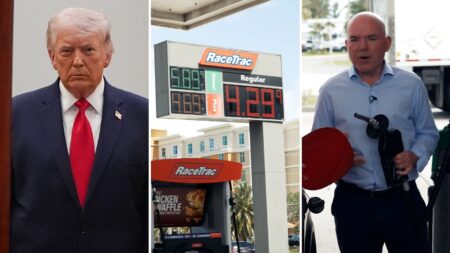
The effects of the energy price shock are already rippling through the American economy in tangible ways that ordinary citizens can feel in their daily lives. Data from AAA shows that gasoline prices at U.S. filling stations have jumped by an average of 28% just this month, putting immediate pressure on household budgets and potentially dampening consumer spending in other areas of the economy. The Federal Reserve’s latest economic projections noted that factory gate prices—the prices manufacturers charge for their products—had already reached their highest level in a year during February, even before the first military strikes occurred at the end of that month. The Fed has now increased its year-end inflation forecast by 0.3 percentage points compared to previous expectations, a significant revision that reflects the mounting concerns about price pressures. While the United States benefits from being the world’s largest oil producer, it paradoxically imports most of the oil its refineries actually process because American refineries are configured to handle heavier crude oil than what is predominantly produced domestically, leaving the country exposed to international price fluctuations despite its production capacity.
Natural Gas Market Shows Regional Disparities
Interestingly, the impact on natural gas prices presents a more nuanced picture that varies dramatically by region, highlighting how different energy markets and infrastructure create vastly different vulnerabilities. The United States has been largely insulated from natural gas price shocks because it is both a major producer and primary consumer of its own natural gas, with prices remaining essentially flat throughout March even as oil prices have skyrocketed. This stands in stark contrast to Europe, including the United Kingdom, where countries remain heavily dependent on imported natural gas and therefore face far more severe exposure to price volatility stemming from Middle Eastern instability. European nations are particularly vulnerable to what economists call “secondary effects”—the ways in which higher energy costs spread through the economy, affecting everything from manufacturing costs to household heating bills, potentially triggering a broader inflationary spiral that becomes increasingly difficult to control as time passes.
Central Banks Face Difficult Decisions on Interest Rates
The uncertain duration of the conflict presents central banks with an extraordinarily difficult policy dilemma that requires them to balance multiple competing priorities. The longer the war continues, the more likely it becomes that central banks will feel compelled to raise interest rates in an attempt to prevent temporarily higher energy prices from becoming permanently embedded in broader inflation expectations throughout the economy. The Bank of England is widely expected to follow the Federal Reserve’s lead and maintain its base rate at 3.75% when its monetary policy committee meets, while the European Central Bank faces similar pressures, though with slightly more flexibility to act given that its main deposit rate is currently less restrictive than those of its counterparts. The fundamental challenge for all these institutions is that central banks possess no direct control over oil and gas prices themselves—they can only attempt to limit the broader economic consequences of energy price shocks by adjusting borrowing costs to influence demand and inflation expectations across the economy.
Political Pressures Complicate Fed’s Independence
The Federal Reserve’s decision-making is further complicated by political pressures emanating from the White House, creating additional uncertainty about the central bank’s future direction. President Trump continues to publicly demand interest rate cuts from the Fed, even as the evidence clearly suggests that cutting rates amid an inflationary energy shock would be economically counterproductive. The situation promises to become an early test for Kevin Warsh, Trump’s recently nominated choice to replace Jerome Powell as Fed chair when Powell’s term expires in May. Financial analysts have been nearly unanimous in stating that there is no credible scenario for interest rate cuts while the Middle East conflict continues to drive energy prices higher and threaten broader inflation, regardless of emerging weakness in employment markets that might otherwise argue for monetary easing. This tension between political preferences and economic realities underscores the importance of central bank independence in maintaining stability and credibility in monetary policy, particularly during periods of geopolitical crisis when clear-headed, evidence-based decision-making becomes more critical than ever for protecting the economic wellbeing of millions of citizens whose livelihoods depend on sound management of inflation and interest rates.