
U.S. and Israel Launch Major Military Operation Against Iran: What You Need to Know
Months of Secret Planning Behind “Operation Epic Fury”
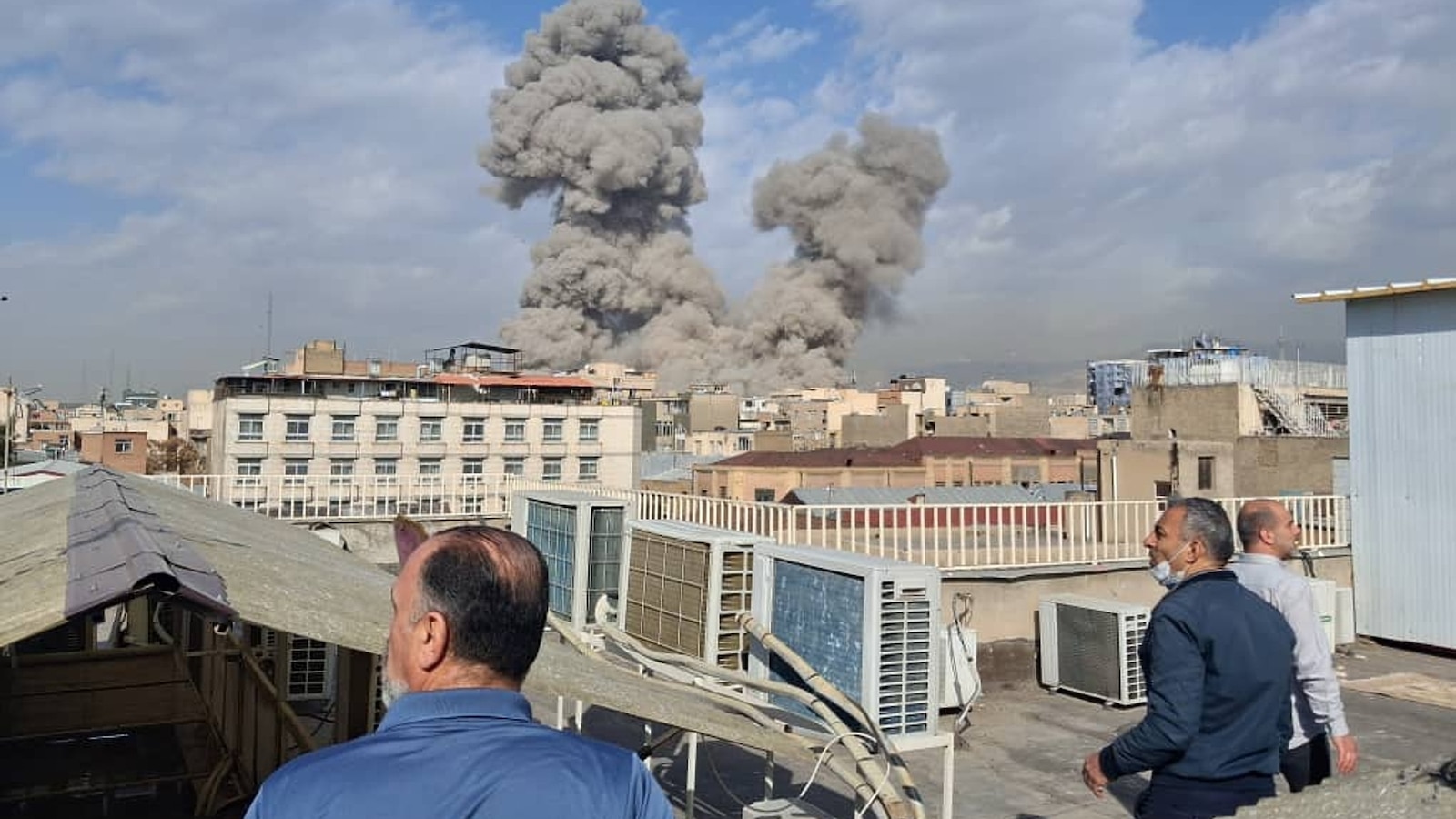
The coordinated military strikes that hit Iran this past Saturday weren’t a spontaneous decision—they were the result of careful, methodical planning that stretched back several months. According to Israeli officials, what the United States has called “Operation Epic Fury” represents one of the most significant joint military operations between the two allies in recent memory. The Israel Defense Forces revealed in their first official statement following the attack that the mission targeted “dozens of military targets” across Iran, marking a dramatic escalation in the ongoing tensions that have simmered in the Middle East for years.
What makes this operation particularly noteworthy is the level of coordination involved. The IDF didn’t mince words when describing their partnership with American forces, stating that “close joint planning was carried out between the IDF and the U.S. Army” over the months leading up to the strikes. This planning enabled what they described as a “broad attack” executed with “maximum synchronization and coordination between the armies.” While Israeli officials have been forthcoming about this extended planning period, American authorities have remained relatively tight-lipped about the timeline and specific details of how long Operation Epic Fury was in development. This suggests a deliberate, strategic approach rather than a reactive measure, indicating that both nations saw these strikes as necessary to address what they perceive as growing threats from Iran.
Why Now? Israel’s Case for Action
Israeli officials have painted a picture of an existential threat that they argue could no longer be ignored. The IDF’s statement pulled no punches, asserting that “the Iranian regime has not abandoned its plan to destroy Israel.” According to Israeli intelligence assessments, Iran has been working tirelessly to strengthen its nuclear capabilities while simultaneously rebuilding its missile production infrastructure. The statement specifically mentioned that the regime has been attempting to “fortify, protect, and conceal its nuclear programs,” suggesting that Iran may have been getting closer to developing nuclear weapons or at least advancing its nuclear capabilities to a point where intervention would become significantly more difficult.
Israeli Foreign Minister Gideon Saar offered perhaps the most direct explanation for the timing of these strikes in a statement posted on social media platform X. “Inaction would have been far more dangerous than the decision to act, despite the significant risks involved,” he wrote, acknowledging that launching such an operation wasn’t taken lightly. Saar emphasized that “the time to act is now,” explaining that further delay would have allowed Iran to reach what he called “a level of immunity for its nuclear program.” The foreign minister also pointed to Iran’s increasing capacity for mass production of long-range ballistic missiles as a critical factor in the decision to strike when they did. The message was clear: from Israel’s perspective, waiting any longer would have meant losing a critical window of opportunity to set back Iran’s military and nuclear ambitions before they became unstoppable.
The IDF statement also highlighted another dimension of the Iranian threat that particularly concerns Israel—Tehran’s support for proxy forces operating within and near Israeli borders. According to the military, “the regime has continued to finance, train, and arm its proxies based within the borders of the State of Israel.” These activities, the IDF argued, don’t just threaten Israel but constitute a danger “to the Middle East and the entire world.” This framing suggests that Israeli leadership sees these strikes not merely as self-defense but as a contribution to broader regional and global security.
The American Military Muscle Behind the Operation
The execution of Operation Epic Fury involved substantial American military assets, demonstrating the United States’ deep commitment to the mission. According to U.S. officials, the strikes employed a combination of aircraft and Tomahawk cruise missiles launched from Navy ships positioned throughout the region. This multi-platform approach suggests a sophisticated operation designed to overwhelm Iranian defenses and strike multiple targets simultaneously.
The scale of American military presence in the Middle East is staggering. At the time of the strikes, approximately 35,000 U.S. military personnel were stationed across the region, giving American forces the infrastructure and positioning needed to conduct such a complex operation. The largest concentration of these forces is at Al Udeid Air Base in Qatar, which hosts around 10,000 personnel and serves as a critical hub for U.S. operations throughout the Middle East. Not far away in Bahrain, another 3,200 personnel and their dependents are stationed at the headquarters of the Navy’s Fifth Fleet, which oversees American naval operations in the Persian Gulf and surrounding waters.
American boots on the ground aren’t limited to these established bases. Despite plans to reduce their footprint, the U.S. still maintains approximately 1,000 troops in Syria and another 2,500 in Iraq, primarily concentrated in Erbil in the northern part of the country. These forces, along with a significantly expanded air presence—dozens more fighter jets than were in the region just weeks earlier—provided the military capability to execute the strikes. Naval power is also being reinforced, with the aircraft carrier USS Gerald R. Ford and up to four destroyers potentially joining the 12 Navy ships already in the area, including the USS Abraham Lincoln. This buildup represents a formidable show of force, signaling to Iran and other regional actors that the United States has both the will and the capability to conduct sustained military operations if necessary.
Iran’s Defiant Response
Tehran’s reaction to the strikes was swift and predictably angry. The Iranian Ministry of Foreign Affairs released a statement accusing the United States of violating “all international laws” and conducting the attacks even “during negotiations.” This reference to ongoing talks suggests that Iran may have believed diplomatic channels were still open and active, making the strikes feel like a betrayal or bad-faith negotiation tactic from their perspective.
The Iranian statement struck a defiant tone, declaring that “now is the time to defend the homeland and confront the enemy’s military aggression.” Iranian officials made it clear that they view themselves as the victims of unprovoked aggression rather than the instigators of regional instability that prompted the strikes. The Ministry of Foreign Affairs emphasized their readiness to respond, stating, “Just as we were ready for negotiations, we have been more prepared than ever for defense.” The statement concluded with a direct threat: “The armed forces of the Islamic Republic of Iran will respond to the aggressors with authority.”
This response raises serious questions about what comes next. Will Iran follow through on its promise to retaliate, and if so, how? Potential Iranian responses could range from cyberattacks on American or Israeli infrastructure to strikes against U.S. military installations in the region or attacks through proxy forces like Hezbollah in Lebanon or Houthi rebels in Yemen. The international community now watches nervously to see whether this operation marks the beginning of a larger conflict or whether diplomatic channels can somehow be reopened to prevent further escalation.
The Broader Strategic Picture
Operation Epic Fury represents a significant gamble by both the United States and Israel. On one hand, successfully setting back Iran’s nuclear program and missile production capabilities could provide years of breathing room and potentially prevent a nuclear-armed Iran—a scenario that both nations have long said would be unacceptable. The strikes also send a powerful message to Iran and other regional actors that red lines exist and will be enforced with military action when necessary.
On the other hand, the risks are considerable. Iran has numerous ways to retaliate, from direct military action to asymmetric warfare through proxy forces throughout the region. The strikes could also complicate relationships with allies who weren’t consulted or who oppose such aggressive action. International law questions inevitably arise when one nation conducts military strikes against another without an immediate provocation, and the claim that these were preventive strikes against future threats may not satisfy critics who see the action as illegal aggression.
The timing is also significant given that the statement mentioned negotiations were underway. If diplomatic progress was being made, these strikes could derail years of careful diplomacy aimed at finding a peaceful resolution to the nuclear issue. Conversely, if Israeli and American intelligence suggested that Iran was negotiating in bad faith while accelerating its weapons programs in secret, the strikes could be seen as necessary to call that bluff and demonstrate that military options remain on the table.
What Happens Next?
The coming days and weeks will be critical in determining whether Operation Epic Fury achieves its strategic objectives without triggering a broader regional war. All eyes will be on Iran’s promised response and whether it can be contained or whether it sparks a cycle of retaliation and counter-retaliation. The international community, including traditional U.S. allies in Europe and partners in the Arab world, will need to decide how to respond—whether to support the action as justified self-defense or condemn it as destabilizing aggression.
For ordinary people in the region, the strikes represent yet another source of anxiety and uncertainty. Civilians in Iran, Israel, and neighboring countries all face the possibility that they could become collateral damage in an escalating conflict. The humanitarian implications of a wider war would be catastrophic, potentially creating refugee crises and economic disruption on a massive scale.
Ultimately, Operation Epic Fury reflects the deep-seated security dilemmas that continue to plague the Middle East. Decades of mistrust, competing national interests, religious and ideological divisions, and the legacy of past conflicts create an environment where military action can seem like the only viable option to leaders who see existential threats on the horizon. Whether history judges these strikes as a necessary evil that prevented a worse outcome or as a tragic miscalculation that made the situation worse remains to be seen. What’s certain is that the Middle East has entered a new and potentially dangerous phase, and the decisions made in the coming days by leaders in Tehran, Washington, Jerusalem, and other capitals will shape the region’s trajectory for years to come.