


U.S. Postal Service Faces Financial Crisis: What It Means for Workers and Americans
A Growing Cash Crunch Threatens America’s Mail System
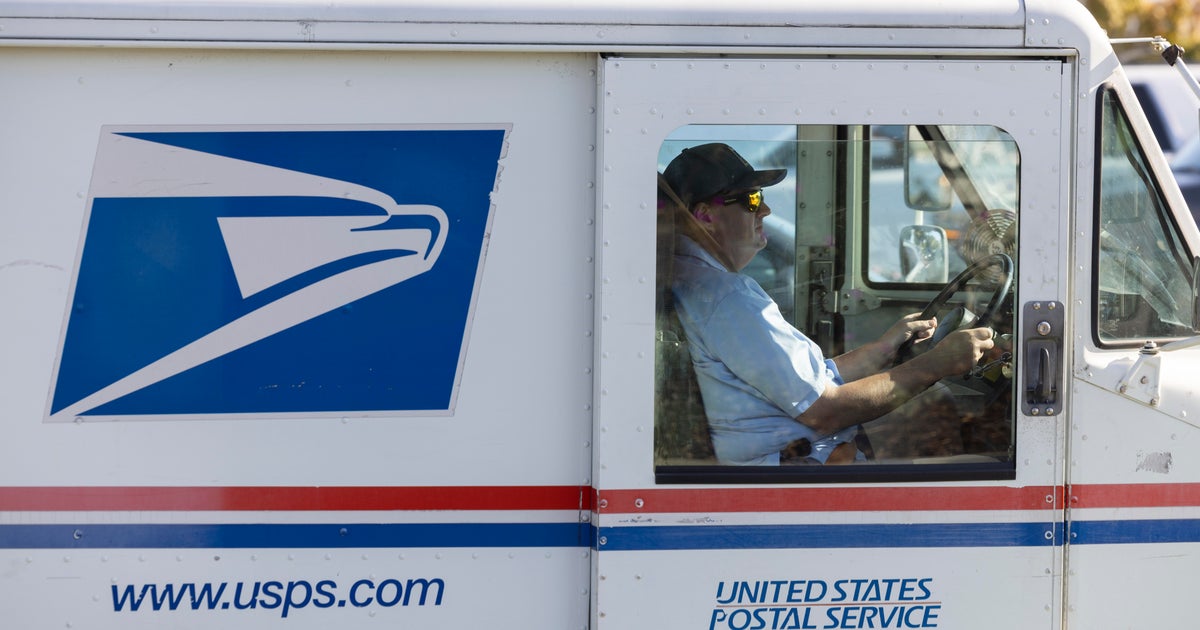
The United States Postal Service, an institution as American as apple pie, is facing one of its most severe financial crises in history. In a move that signals just how dire the situation has become, the agency has announced it will temporarily suspend its contributions to the Federal Employees Retirement System (FERS), the pension plan that provides retirement security for postal workers and other civil servants across the country. This isn’t just another budget adjustment—it’s a red flag waving over an agency that has served Americans faithfully for centuries but now finds itself careening toward potential insolvency.
David Walton, a spokesman for the USPS, didn’t mince words when explaining the gravity of the situation to CBS News: “The United States Postal Service is heading toward a cash crisis.” The decision to halt pension contributions, he explained, is a necessary step to “conserve cash for our operations and other necessary payments.” We’re talking about $400 million per month that the postal service has been contributing to employee pension plans—money that will now be redirected to keep the lights on and the mail trucks running. While the agency will continue to forward worker contributions to the retirement plan and maintain automatic and matching contributions to the Thrift Savings Plan (another retirement program for federal employees), the suspension of employer contributions represents a significant cost-cutting measure born of desperation rather than choice.
The Clock Is Ticking: One Year Until Empty Coffers
The pension payment suspension didn’t come out of nowhere. Last month, Postmaster General David Steiner stood before Congress and painted a sobering picture of the postal service’s financial future. Without significant changes to how the USPS operates, Steiner warned, the agency could completely run out of cash within just twelve months. Think about that for a moment—one of America’s most essential services, the organization responsible for delivering everything from birthday cards to prescription medications to millions of homes and businesses, could find itself unable to function within a year. The consequences of such a scenario would be devastating: a complete stoppage of mail delivery across the nation.
To avert this catastrophe, Steiner outlined potential solutions that would affect every American who uses the mail. One option on the table is dramatically increasing the cost of a first-class stamp from its current price to 95 cents—nearly doubling what people pay to mail a letter. Another possibility involves reducing mail delivery from the current six-day-per-week schedule to five days or even fewer. These aren’t popular choices, and they’re certainly not decisions being made lightly, but they reflect the harsh reality of an agency caught between declining revenues and rising costs. The USPS has been bleeding money for years, with the problem reaching a critical point in 2025 when the agency posted a staggering $9 billion loss. That’s not a typo—nine billion dollars in the red in a single year.
The Perfect Storm: Declining Mail and Rising Costs
The postal service’s financial troubles aren’t new, but they’ve reached a tipping point that can no longer be ignored or kicked down the road. For years, the USPS has been caught in a perfect storm of challenges that would test any organization. Mail volume has been in steady decline as Americans increasingly turn to email, text messages, and electronic billing instead of traditional correspondence. Remember when you used to receive stacks of personal letters, cards, and paper bills? Those days are largely gone, replaced by digital communications that generate zero revenue for the postal service. At the same time, the costs of actually delivering mail have been climbing relentlessly. Fuel prices fluctuate, vehicle maintenance expenses rise, labor costs increase, and the vast infrastructure of post offices, sorting facilities, and delivery vehicles requires constant investment to maintain.
The agency has recognized these challenges and developed a comprehensive 10-year plan designed to reduce expenses and restore profitability. However, even with this roadmap in place, the USPS continues to face enormous financial headwinds that threaten to overwhelm reform efforts. Luke Grossmann, the Chief Financial Officer of the USPS, explained the difficult calculation behind suspending pension contributions in stark terms: the risk of “insufficient liquidity for postal operations dramatically outweighs any longer-term risk to the pension funds from not making the currently due payments.” In other words, keeping the postal service functioning today is more important than making all the contributions that should ideally go into retirement accounts for the future. By suspending these FERS payments, the postal agency expects to free up approximately $2.5 billion in the current fiscal year—money that can be used to keep operations running while longer-term solutions are developed and implemented.
Additional Revenue Measures and Surcharges
The pension payment suspension isn’t the only financial maneuver the USPS is making to stay afloat. In March, the agency announced plans to temporarily increase postage prices to help cover mounting fuel costs that have been exacerbated by the Iran war and resulting global energy market disruptions. Beginning April 26, customers will see an 8% surcharge added to some postage prices, and this additional cost isn’t going away quickly—it’s scheduled to remain in place through January 17, 2027. That’s nearly two years of elevated prices that Americans and businesses will need to factor into their budgets.
This surcharge represents yet another way the postal service is trying to bridge the gap between its income and expenses. While an 8% increase might not sound like much on a single stamp, it adds up quickly for businesses that mail thousands of items monthly, and it’s another signal that the era of cheap, universal mail service may be drawing to a close. The USPS has long operated under a mandate to provide affordable delivery to every address in America, from urban apartments to remote rural homesteads, regardless of whether doing so is profitable. This universal service obligation, while admirable and essential for national connectivity, creates financial pressures that private delivery companies don’t face because they can choose to serve only the most profitable routes and customers.
What This Means for Postal Workers and Americans
For the hundreds of thousands of postal workers who show up every day to sort and deliver mail in all kinds of weather, the pension payment suspension is understandably concerning. While their own contributions to retirement accounts will continue to be forwarded, and matching contributions to the Thrift Savings Plan will be maintained, the halt in employer FERS contributions represents a gap in their retirement security. These are workers who have dedicated their careers to public service, often starting their delivery routes before dawn and working through heat, cold, rain, and snow to ensure Americans get their mail. The uncertainty about their retirement benefits adds stress to jobs that are already physically demanding and increasingly pressured by productivity requirements.
For the broader American public, the postal service’s financial crisis has implications that extend far beyond the price of stamps. Millions of Americans, particularly in rural areas and underserved communities, depend on the USPS for essential services that private carriers either don’t provide or charge premium prices to deliver. Prescription medications, government documents, small business shipments, and personal correspondence all flow through the postal system. Reduced delivery schedules would mean longer waits for important items. Significantly higher prices would make mail service unaffordable for some individuals and small businesses. And in the worst-case scenario—a complete shutdown—the consequences would ripple through the entire economy and society. The USPS employs over 600,000 people, making it one of the largest civilian employers in the nation. It touches virtually every American’s life in some way, and its potential failure isn’t just a logistics problem—it’s a crisis that would affect national connectivity, commerce, and community.
The road ahead for the United States Postal Service is undeniably challenging. The agency stands at a crossroads, facing decisions that will shape not just its own future but also how Americans communicate, conduct business, and stay connected across vast distances. Whether through price increases, service reductions, operational reforms, or some combination of all three, changes are coming to an institution that has been a constant in American life for generations. The suspension of pension contributions is just one symptom of a deeper structural problem that demands attention from policymakers, postal leadership, and the public alike. As the twelve-month clock ticks down toward potential insolvency, finding sustainable solutions has never been more urgent. The question isn’t whether the USPS will change—it’s how those changes will be implemented and whether they’ll be enough to preserve this essential service for future generations.