


Utah Judge Rules on Prosecutor Conflict Claim in Charlie Kirk Murder Case
Motion to Disqualify Prosecutors Denied
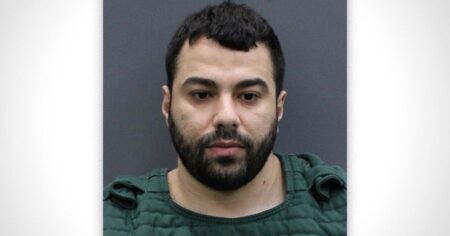
In a closely watched case that has drawn national attention, a Utah judge has rejected efforts to remove prosecutors from handling the murder trial of Tyler Robinson, the 22-year-old man accused of killing prominent conservative political activist Charlie Kirk. The shooting occurred last September at Utah Valley University campus in Orem, where Kirk was speaking at an outdoor rally attended by approximately 3,000 people. Robinson’s defense team had filed a motion arguing that the prosecution team should be disqualified because one of the deputy county attorneys working on the case had a daughter who was present at the event when Kirk was fatally shot. The defense contended that this personal connection created an unacceptable conflict of interest that could compromise the fairness of the proceedings and affect prosecutorial decision-making throughout the case.
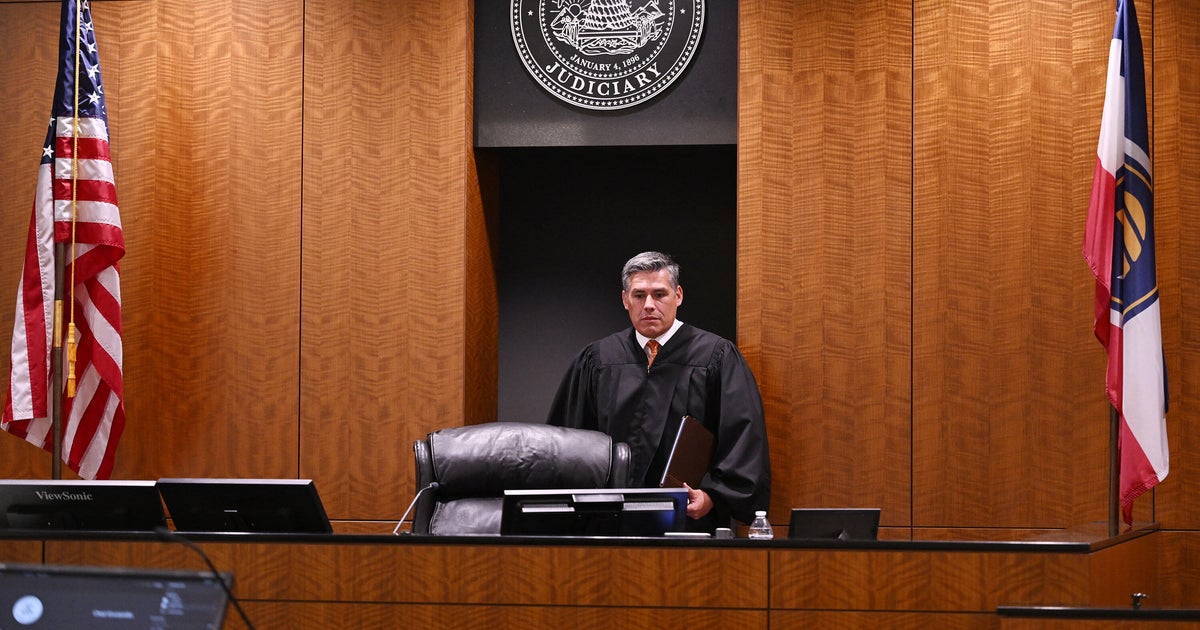
State District Judge Tony Graf issued his ruling on Tuesday, finding that there was “not a significant risk” that Deputy Utah County Attorney Chad Grunander’s relationship with his daughter would compromise his professional judgment or interfere with Robinson’s legal rights. The judge’s decision allows the Utah County Attorney’s Office to continue pursuing what they have announced will be a death penalty case against Robinson, who faces charges of aggravated murder and has not yet entered a plea. The ruling represents a significant victory for prosecutors in a case that has already raised numerous questions about fairness, media access, and the potential for pretrial publicity to affect the defendant’s right to a fair trial.
The Defense’s Conflict of Interest Arguments
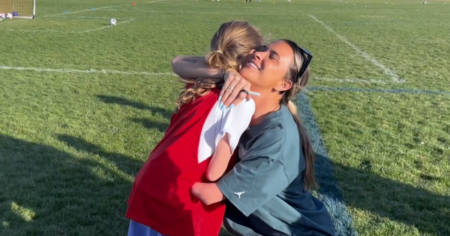
Robinson’s legal team built their disqualification argument around the fact that Grunander’s 18-year-old daughter was in attendance at the September 10 event where Kirk was shot while taking questions from the audience. According to court documents, the young woman, whose name was redacted from public filings, had texted her father describing the events surrounding the shooting. The defense argued in their court filings that the personal relationship between the deputy attorney and his adult child constituted a conflict of interest that “raises serious concerns about past and future prosecutorial decision-making in this case.” They suggested that having a family member who was an eyewitness to the traumatic event could color Grunander’s judgment and potentially make him unable to approach the case with the necessary objectivity that justice demands.
Furthermore, the defense pointed to what they characterized as an unusually quick announcement by prosecutors of their intention to seek the death penalty against Robinson. They argued that this rapid decision suggested “strong emotional reactions” on the part of the prosecution team that warranted disqualifying not just Grunander but the entire prosecutorial team from the case. The defense’s concern was that the emotional impact of having a team member whose daughter witnessed the shooting might lead to prosecutorial decisions driven more by personal feelings than by dispassionate legal analysis. This argument touches on fundamental questions in criminal justice about how personal connections and emotional responses might influence decisions in cases where the stakes—potentially including a defendant’s life—could not be higher.
Testimony and the Judge’s Reasoning
During court proceedings earlier this month, Grunander’s daughter testified about her experience at the rally where Kirk was killed. Her testimony proved crucial to the judge’s eventual ruling. She told the court that she had not recorded any video of the shooting or its aftermath and that she was actually looking at the crowd rather than at Kirk when the shot was fired. According to her testimony, she did not even learn until after she had run to safety that it was Kirk who had been shot. This testimony significantly undermined the defense’s argument that her presence at the scene created a conflict, as she was not actually a witness to the shooting itself and had limited direct knowledge of the events.
Utah County Attorney Jeffrey Gray also provided testimony that addressed the defense’s concerns about the decision to seek the death penalty. Gray testified that he had actually begun considering whether to pursue capital punishment before an arrest had even been made in the case. He stated unequivocally that his colleague’s daughter’s presence at the event in no way influenced the decision to seek the death penalty against Robinson. Judge Graf found Gray’s testimony credible and determined that the daughter’s presence at the rally did not factor into the county attorney’s decision-making process. Robert Church, director of the Utah Prosecution Council, which trains prosecutors throughout the state, expressed support for Graf’s ruling, noting that “Chad Grunander’s daughter is not going to be a witness. She didn’t actually see Mr. Kirk killed. She was facing away.” Church’s comments suggest that legal professionals in Utah view the judge’s decision as appropriate given the specific circumstances of the case.
Other Fairness Issues Before the Court
The question of prosecutorial conflict represents just one of several fairness issues that Judge Graf has been weighing as the case moves toward a potential trial. The judge has also been grappling with questions about what evidence and footage should be shown in court and who should have access to the proceedings. Full video recordings of Kirk’s shooting have not been displayed in court after Robinson’s defense attorneys objected, expressing concern that showing the footage could undermine their client’s right to a fair trial by creating prejudicial emotional reactions. This objection reflects the defense team’s broader strategy of trying to limit exposure to material that might inflame public opinion or make it more difficult to seat an impartial jury should the case go to trial.
Additionally, the defense has sought to exclude television cameras and photographers from the courtroom, arguing that what they characterize as “highly biased” news outlets risk tainting the case and making it impossible for Robinson to receive fair treatment. This request has been opposed by prosecutors, attorneys representing various news organizations, and even by Kirk’s widow, all of whom have urged Judge Graf to keep the proceedings open to public scrutiny. The defense request to exclude cameras has been classified by the court as private and has not been publicly released, creating its own transparency concerns. On Monday, Graf granted a request from a coalition of news organizations, including The Associated Press, allowing attorneys representing the media to view defense requests to classify documents in the case. The judge reasoned that without access to these motions, media attorneys would be unable to meaningfully argue against efforts to close portions of the case from public view.
The Broader Context and Moving Forward
The case has attracted significant attention both because of Kirk’s prominence as a conservative activist and because of the setting where the shooting occurred. Kirk, who co-founded Turning Point USA, had been instrumental in mobilizing young voters to support President Donald Trump and had become a highly visible figure in conservative political circles. His death at a campus speaking event has raised concerns about political violence and the safety of public figures who engage with audiences, particularly on college campuses where political tensions can run high. The decision to seek the death penalty against Robinson reflects the seriousness with which prosecutors are approaching the case and suggests they believe the evidence supports the most severe punishment available under Utah law.
As the case proceeds, Judge Graf will continue to balance Robinson’s constitutional right to a fair trial against the public’s right to access information about a high-profile case and the prosecution’s interest in pursuing justice for Kirk’s death. The denial of the motion to disqualify prosecutors represents an important procedural victory for the state, but many questions remain unresolved as the case moves forward. Robinson still has not entered a plea, and the legal wrangling over what evidence can be presented, who can observe the proceedings, and what information should be made public continues. The outcome of these preliminary battles will likely shape not only the trial itself but also public perception of whether justice was served in a case that has already touched on some of the most contentious issues in contemporary American life, including political violence, media responsibility, and the death penalty. Whatever the eventual outcome, the case serves as a reminder of how personal tragedies intersect with public issues and how the legal system must navigate complex questions about fairness, transparency, and justice when the whole nation is watching.