


Japan’s Growing Bear Crisis: Understanding the Rising Fatalities and Encounters
A Deadly Start to Spring 2026
Japan is once again facing a serious wildlife crisis as officials confirmed the country’s first fatal bear attack of 2026 on April 21st. The victim, a 55-year-old woman discovered in Iwate prefecture in northern Japan, marks a tragic continuation of what has become an alarming trend. This incident comes on the heels of an unprecedented 2025, which saw a record-breaking 13 deaths from bear attacks—more than double the previous record of six fatalities. Beyond these deaths, over 200 people suffered injuries from bear encounters throughout last year. As spring unfolds and bears emerge from their winter hibernation, authorities and residents are bracing for what could be another dangerous season.
The situation has grown even more concerning with two additional discoveries of human remains this week. Police found one body in the Iwate region on Thursday and another in a forest in Yamagata prefecture on Tuesday, though they haven’t officially confirmed the cause of death. However, media reports strongly suggest links to bear attacks based on the nature of the injuries. One of the victims has been identified as 69-year-old Chiyoko Kumagai, who had gone missing after venturing into a mountain forest to pick edible wild plants—a traditional activity in rural Japan that has now become increasingly dangerous. When searchers found her body near where her car was parked, she had visible injuries on her face and head that appeared consistent with animal claw marks. The severity of these early-season incidents has prompted local hunters to begin patrolling affected areas, while residents are being urged to exercise extreme caution when venturing outdoors.
When Wildlife Invades Human Spaces
The bear problem in Japan has evolved far beyond isolated wilderness encounters. Throughout 2025, these animals infiltrated spaces previously considered safe from wildlife, creating scenes that seemed almost surreal. Bears were spotted on airport runways, casually strolling across golf courses, and wandering dangerously close to schools. Perhaps most alarming were the incidents at supermarkets and hot spring resorts, where bears entered facilities frequented by unsuspecting civilians. These encounters became so frequent that they occurred nearly daily at the height of the crisis, transforming what should have been routine shopping trips or relaxing resort visits into potentially life-threatening situations.
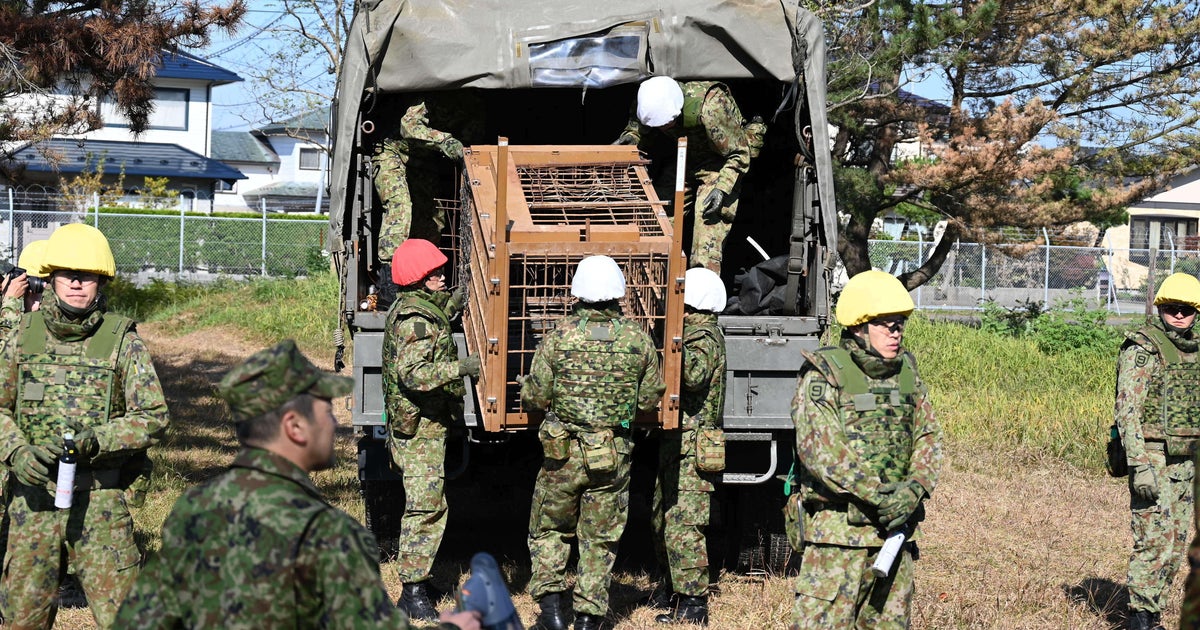
One particularly dramatic incident involved a bear that rampaged through a supermarket for two full days before authorities could safely remove it. The situation required careful planning and patience—officials eventually lured the animal out using food coated with honey before trapping and ultimately killing it. The GPS watch recovered from one attack victim revealed the shocking power and mobility of these predators: the device showed that the bear had dragged the man’s body over 100 yards away from the trail where the initial attack occurred. Such incidents paint a vivid picture of just how dangerous these encounters have become and why the Japanese government felt compelled to take extraordinary measures, even deploying military troops to assist with hunting and trapping operations.
The Science Behind the Surge
Understanding why Japan is experiencing this unprecedented surge in bear encounters requires examining multiple interconnected factors that have created a perfect storm for human-wildlife conflict. At the heart of the issue lies population dynamics—both animal and human. Brown bear populations have doubled over the past three decades, reaching approximately 12,000 individuals, while Asian black bears on the main island of Honshu have climbed to around 42,000, according to a 2025 government report. These thriving populations owe their success partly to abundant food sources, including acorns, deer, and boars, all flourishing under the influence of climate change and warming temperatures that have extended growing seasons and increased food availability in mountainous regions.
Meanwhile, Japan’s rural areas are experiencing the opposite trend—human depopulation. As younger generations move to cities and the countryside ages and shrinks, bears find themselves with expanded opportunities to roam. Biologist Koji Yamazaki from Tokyo University of Agriculture explains that this depopulation has given bears “a chance to expand their range” into territories they previously avoided. The situation creates what experts call “overcrowding” in traditional bear habitats, forcing some animals, particularly younger cubs, to venture beyond the mountains—which comprise roughly 80% of Japan’s landscape—toward human settlements. These young bears often become less fearful of humans and develop preferences for easily accessible food sources like farmed produce and common fruits such as persimmon. When traditional mountain food sources run scarce, as happened with poor nut and berry harvests in 2025, the motivation to raid human areas intensifies dramatically.
Record Sightings Signal Ongoing Danger
As bears emerge from their winter hibernation in 2026, Japan is witnessing another concerning pattern: record numbers of sightings despite predictions that this year should be calmer. Local media reports indicate that in Miyagi, Akita, and Fukushima prefectures, April sightings reached approximately four times the numbers recorded during the same period last year. This unexpected surge has puzzled even experienced bear experts who anticipated better conditions this year based on improved forecasts for nuts and other natural food sources. The discrepancy between expectations and reality has researchers scrambling to understand what’s driving this early spring wave of dangerous encounters.
Koji Yamazaki, a leading bear expert and head of Ibaraki Nature Museum, has urged residents in the northern Tohoku region to maintain extreme vigilance this spring despite earlier optimistic predictions. “I’m not sure yet why we’re seeing this kind of unprecedented damage so early in the spring,” Yamazaki told reporters, acknowledging the puzzling nature of the situation. His analysis of the recent fatalities suggests aggressive feeding behavior: “Given that all the incidents have occurred relatively close to settlements and the bodies have been severely damaged, I suspect a bear has eaten them.” This observation indicates that some bears may have crossed a dangerous threshold, viewing humans not merely as threats to avoid but potentially as food sources—a behavioral shift that dramatically increases risk for anyone entering bear territory.
Two Species, Different Challenges
Japan’s bear problem actually involves two distinct species, each presenting unique challenges. Brown bears, found exclusively on the northern island of Hokkaido, are the larger and more formidable of the two, capable of weighing up to 1,100 pounds and easily outrunning any human attempting to flee. These massive predators have prompted some Hokkaido communities to adopt creative deterrence methods, including installing robotic wolves that howl at approaching bears to frighten them away from populated areas. While impressive in size and strength, brown bears are geographically contained to Hokkaido, limiting their overall impact on the national crisis.
The more widespread problem comes from Asian black bears, smaller than their brown cousins but far more common across large portions of Japan, including heavily populated areas of the main island of Honshu. These black bears are responsible for the majority of attacks and encounters that have plagued the country. Their broader distribution means they come into contact with humans far more frequently, and their presence in areas with significant human populations creates countless opportunities for dangerous interactions. Understanding the behavioral differences between these species and their respective territories helps authorities tailor their response strategies, but the sheer number of black bears and their proximity to human settlements makes managing this population particularly challenging.
Looking Ahead: Long-term Solutions for Coexistence
As Japan grapples with this escalating wildlife crisis, experts point to fundamental demographic and environmental changes that won’t be easily reversed. Yamazaki notes that the Tohoku region has seen growing bear populations for approximately twenty years, establishing well-entrenched populations that consider these expanded ranges their legitimate territory. Compounding the problem are “factors such as abandoned farmland and unused land due to depopulation and an aging population,” which create buffer zones where bears can travel between wild and developed areas with reduced risk of detection. These transitional spaces allow bears to gradually acclimate to human presence and infrastructure, making them bolder with each successful raid on crops or garbage.
The situation demands a multi-faceted approach that balances wildlife management with human safety while acknowledging the irreversible nature of some underlying trends. Japan’s rural depopulation is unlikely to reverse, meaning human presence in traditional buffer zones will likely continue declining. Climate change continues altering ecosystems in ways that generally favor bear populations. Given these realities, solutions must focus on better coexistence strategies: improved warning systems, education campaigns teaching residents how to minimize attractants and respond to encounters, strategic hunting programs to manage population growth, and perhaps most importantly, land-use planning that acknowledges bears’ expanding territories. As one official noted, residents must remain vigilant, especially during spring emergence periods, because this new normal of increased bear encounters appears to be a permanent shift rather than a temporary anomaly in Japan’s relationship with these powerful wild neighbors.