
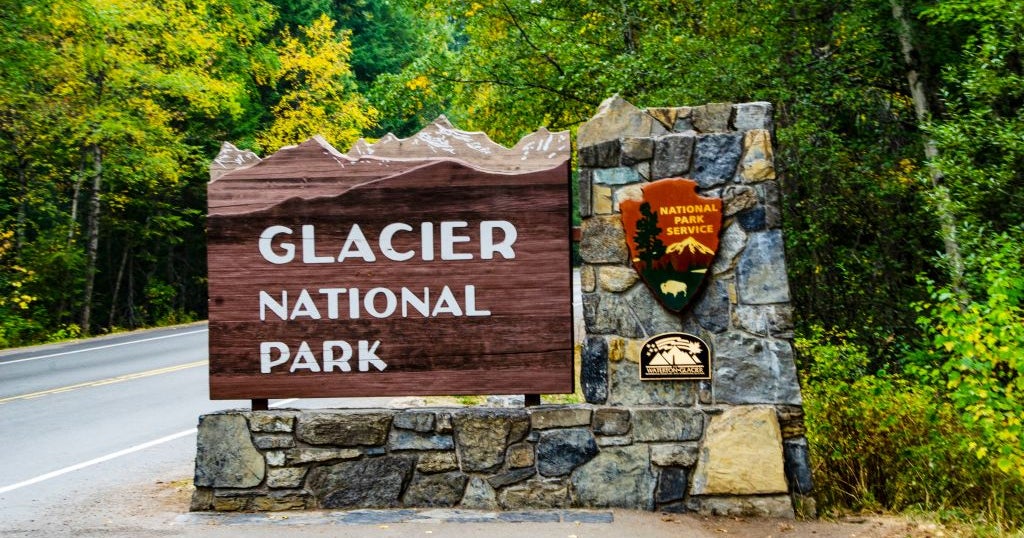

Tragic Discovery in Glacier National Park: Hiker Found Dead After Bear Encounter
Missing Hiker’s Body Recovered in Remote Montana Wilderness
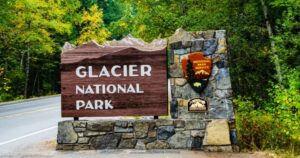
The serene beauty of Montana’s Glacier National Park turned into the scene of a heartbreaking tragedy this week when search and rescue teams discovered the body of a missing hiker who had vanished days earlier. Park officials confirmed on Thursday that the remains of the hiker, who had been reported missing, were located Wednesday afternoon in a remote section of the park’s wilderness. The discovery brought a somber end to a search operation that had been underway since earlier in the week, leaving a community mourning and raising important questions about safety in bear country.
The hiker’s body was found approximately two-and-a-half miles up the Mt. Brown Trail, one of the park’s more challenging routes that offers stunning views but also ventures deep into wild terrain. What made the discovery particularly difficult was that the remains were located about 50 feet off the established trail, hidden in what park officials described as “a densely wooded area with downed timber.” This remote location, thick with fallen trees and heavy vegetation, likely made it nearly impossible for the hiker to be spotted from the trail itself and complicated the search efforts for the rescue teams who were looking for him. The rugged terrain of this part of Glacier National Park is known for its pristine wilderness character, but it also presents real dangers for those who venture into it, whether by choice or by accident.
Evidence Points to Fatal Bear Encounter
In their official statement, park officials revealed details that paint a tragic picture of what likely occurred in those remote woods. “His injuries are consistent with those sustained by a bear encounter,” the officials stated, indicating that the hiker’s death was likely the result of an attack by one of the park’s bear inhabitants. Glacier National Park is home to both black bears and grizzly bears, and while such fatal encounters are relatively rare, they do occur, particularly when humans venture into the backcountry where these powerful animals roam freely. The park service’s careful wording suggests that while the evidence strongly points to a bear attack, they are being thorough in their investigation before making any final determinations about the exact circumstances of the hiker’s death.
Following the discovery, wildlife specialists and law enforcement personnel immediately began assessing the area for bear activity and any potential ongoing threats to public safety. This response is standard protocol when a bear encounter results in human injury or death, as authorities need to determine whether the bear involved poses a continued danger to other park visitors. The investigation involves tracking any bears in the area, looking for additional physical evidence, and piecing together what might have led to the fatal encounter. As a precautionary measure, park officials have closed that section of the Mt. Brown Trail until their investigation is complete and they can be certain that the area is safe for hikers to return. This closure, while inconvenient for visitors, is a necessary step to protect both human life and to allow investigators to do their work without contamination of the scene.
The Search That Led to Discovery
The National Park Service had announced on Tuesday that they were conducting an active search for a Fort Lauderdale, Florida man who had been hiking in the park and hadn’t been in contact with anyone since Sunday night. The fact that he was from Fort Lauderdale, a coastal Florida city far from the mountain wilderness of Montana, suggests he may have been visiting the park as a tourist, perhaps drawn like millions of others to Glacier’s spectacular scenery and outdoor recreation opportunities. When he failed to check in or return as expected, concerned friends or family members apparently alerted authorities, triggering the search operation that would ultimately lead to the tragic discovery two days later.
The 48-hour period between when he was last heard from on Sunday night and when the search was announced on Tuesday represents a critical window in wilderness emergencies. In situations like these, time is absolutely essential—the first 24 to 48 hours can make the difference between life and death for someone who is lost, injured, or in distress in the backcountry. Search and rescue teams work against the clock, knowing that exposure to the elements, injuries, or lack of water can quickly turn a manageable situation into a fatal one. In this case, despite the relatively quick response and the efforts of experienced search teams, the outcome was the worst possible scenario.
Respecting Privacy While Seeking Answers
In keeping with standard procedures, the National Park Service has stated that they will not be releasing the victim’s name until three days after his next-of-kin have been properly notified. This policy, while sometimes frustrating for a public seeking information, serves an important and compassionate purpose—it ensures that family members and loved ones learn about the death through proper channels and have time to process the devastating news before it becomes public knowledge. Losing a family member is always traumatic, but learning about it through news reports or social media before official notification would compound that trauma immeasurably. The three-day waiting period also allows extended family members and close friends to be informed and gives the immediate family some space before they potentially face media attention and public interest in their loved one’s death.
For the family and friends of this hiker, the loss is surely overwhelming. Someone who set out for what should have been an adventure in one of America’s most beautiful national parks will never return home. The journey that began with excitement and anticipation ended in the worst way imaginable, in a remote forest far from home. As the investigation continues, these loved ones will likely have many questions about what happened, how it happened, and whether anything could have been done differently. While answers may provide some small measure of understanding, they cannot undo the tragedy or fill the void left behind.
Safety in Bear Country: A Sobering Reminder
This tragic incident serves as a sobering reminder of the realities of recreating in wild places where humans are visitors in the domain of powerful wildlife. Glacier National Park, like many wild areas in Montana, Wyoming, Alaska, and western Canada, is prime bear habitat, and encounters between humans and bears, while still relatively uncommon, are an inherent risk of venturing into the backcountry. Park officials and wildlife experts consistently emphasize the importance of bear safety protocols: hiking in groups rather than alone, making noise on the trail to avoid surprising bears, carrying bear spray and knowing how to use it, properly storing food and scented items, and staying on established trails. While following these guidelines doesn’t eliminate all risk, they significantly reduce the likelihood of negative bear encounters.
The fact that this hiker was found 50 feet off the trail raises questions about the circumstances that led him away from the established path. Did he intentionally leave the trail to explore, to take photographs, or to answer nature’s call? Was he already off the trail when he encountered the bear, or did the encounter begin on the trail and end in that wooded area? These are among the questions that investigators will be working to answer. What is clear is that this tragedy will likely prompt renewed discussions about wilderness safety, personal responsibility in wild areas, and the measures that can be taken to prevent such incidents. While no one wants to see restrictions that limit access to these magnificent wild places, every death raises the question of what more can be done to educate visitors about risks and best practices for staying safe. As this investigation continues and more details potentially emerge, park visitors and wilderness enthusiasts everywhere should take this as an opportunity to review their own safety practices and approach backcountry adventures with the respect and preparation that wild places demand.