
Vehicle Crash Near White House Prompts Security Investigation
Incident Overview and Initial Response
In the early hours of a Wednesday morning, a vehicle crashed into a security barricade near the White House, triggering an immediate investigation by the U.S. Secret Service. The incident, which occurred at the intersection of Connecticut and H Streets in Washington, D.C., led to the swift detention of the driver by Secret Service agents who began questioning the individual to determine the circumstances surrounding the crash. Anthony Guglielmi, serving as the spokesperson for the Secret Service, confirmed that officers from the agency’s uniformed division were actively examining what they described as a “suspicious vehicle.” The situation unfolded in an area that is consistently under heavy security surveillance due to its proximity to one of America’s most protected buildings, and the response demonstrated the coordinated security protocols that exist to protect the nation’s capital.
Security Measures and Area Lockdown
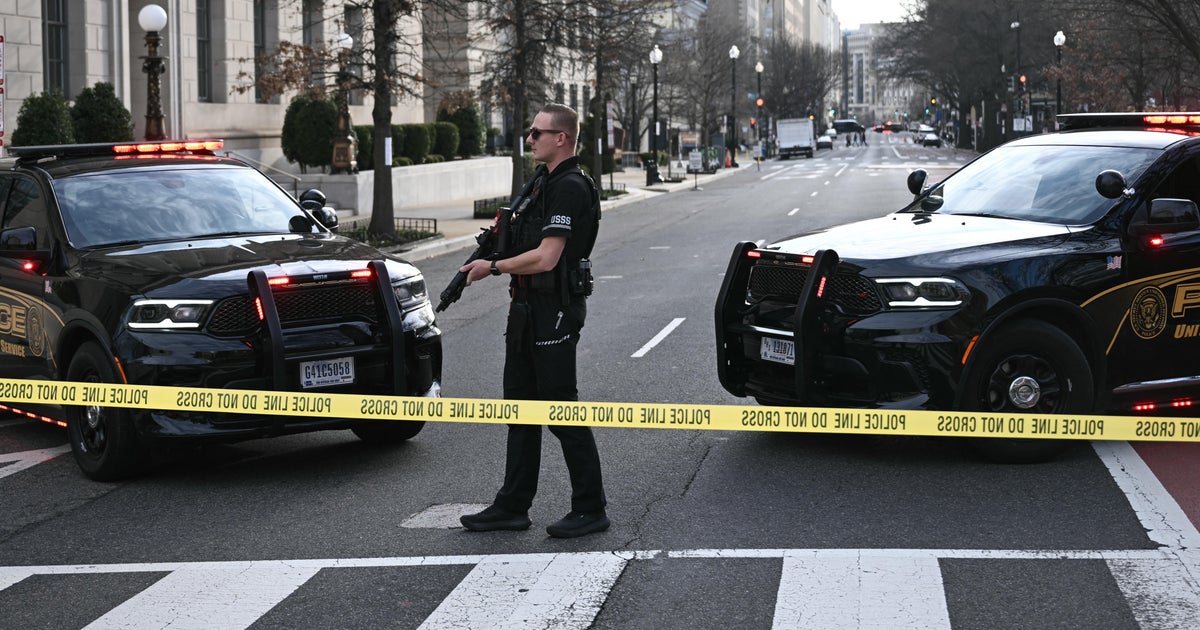
Following the collision, authorities implemented immediate security measures that significantly impacted the area surrounding the White House. Multiple entrances and streets were temporarily closed to both pedestrian and vehicular traffic as security teams conducted their thorough examination of the scene and the vehicle involved. The streets north of the White House became a secured zone, cordoned off with police tape and barricaded by numerous law enforcement vehicles. The scene was heavily staffed with personnel from multiple security agencies, including Secret Service officers, Metropolitan Police Department officers, and members of the National Guard, all working in coordination to ensure public safety and investigate the incident. This multi-agency response highlighted the seriousness with which any potential security threat near the White House is treated, regardless of whether initial assessments suggest malicious intent or simply an accident.
Ongoing Investigation and Information Gathering
As the investigation progressed throughout the morning, authorities worked methodically to gather information and assess the situation. Guglielmi indicated that additional information would be provided once officers completed their initial assessment and reported their findings later in the morning. The cautious approach to releasing information reflects standard protocol in such situations, where investigators must first determine whether the incident was accidental, the result of impairment, or potentially something more concerning. The driver remained in custody and under questioning as investigators worked to piece together the events that led to the crash. The Secret Service’s involvement underscores the incident’s location near one of the most secure facilities in the United States, where even seemingly minor incidents require thorough investigation to rule out any potential threats to national security or the safety of the President and White House staff.
Collaborative Law Enforcement Effort
The incident showcased the collaborative nature of law enforcement in the nation’s capital, with the D.C. Metropolitan Police Department working alongside the Secret Service in the investigation. A spokesperson for the Metropolitan Police confirmed that the department was providing assistance to the federal agency and that the crash had occurred along a section of the intersection at Connecticut and H Streets. This partnership between local and federal law enforcement is typical in Washington, D.C., where security concerns often require coordinated responses from multiple agencies with different jurisdictions and areas of expertise. The seamless cooperation between these agencies demonstrates the well-established protocols that exist for handling security incidents in the capital, ensuring that resources are efficiently deployed and that investigations are comprehensive and thorough.
Fortunate Absence of Injuries
Perhaps the most reassuring aspect of this incident was the confirmation from both the Secret Service and the D.C. Metropolitan Police Department that no injuries were reported in connection with the collision. This outcome suggests that despite the crash and the serious security response it triggered, the physical impact of the incident was limited. The absence of injuries to the driver, law enforcement personnel, or any bystanders in the area meant that the focus could remain purely on the investigative aspects of the incident rather than coordinating emergency medical responses. This fortunate circumstance allowed security personnel to concentrate on determining the cause of the crash and whether it represented any ongoing threat, rather than dealing with the additional complications that would have arisen from injuries or casualties.
Context and Ongoing Security Vigilance
This incident serves as a reminder of the constant state of vigilance maintained around the White House and other critical infrastructure in Washington, D.C. The immediate and comprehensive response to what may have been nothing more than an accident demonstrates the zero-tolerance approach security agencies take when it comes to potential threats near the nation’s most important buildings. The heavy security presence in the area, including physical barricades designed to prevent vehicles from approaching the White House grounds, represents just one layer of the extensive security measures in place. While the investigation continued and authorities worked to determine exactly what led to the crash, the incident illustrated both the challenges of maintaining security in an urban environment where the seat of government must remain accessible to some degree, and the readiness of multiple law enforcement agencies to respond swiftly and decisively to any unusual occurrence. As Washington, D.C. residents and workers have become accustomed to heightened security measures, incidents like this one, while disruptive, are handled with professional efficiency by the well-trained personnel who dedicate themselves to protecting the nation’s capital and its leadership.