
Trump-Linked Crypto Project Faces Backlash Over Controversial Voting Rights Proposal
A Family Venture Under Fire
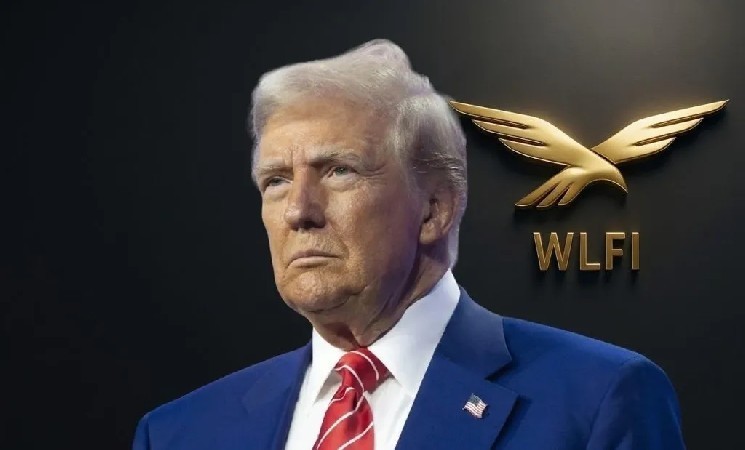
World Liberty Financial, commonly known by its ticker symbol $WLFI, has become the latest flashpoint in the ongoing debate about transparency and fairness in the cryptocurrency industry. What makes this situation particularly noteworthy is the project’s connection to former and current US President Donald Trump’s family. Since its launch, the initiative has walked a tightrope between traditional financial expectations and the Wild West nature of crypto investing. Now, a newly proposed governance change has investors questioning whether they’re being asked to give up too much control in exchange for uncertain benefits. The controversy centers on a mechanism that could fundamentally reshape how early supporters influence the project’s future, particularly regarding when their locked investments might become accessible. For many investors who took a chance on a presidential family’s crypto venture, this proposal feels like a significant shift in the rules of engagement they originally signed up for.
The Devil in the Staking Details
At the heart of the controversy lies a proposal that, on its surface, might seem like standard operating procedure in the cryptocurrency world. The project team wants holders of currently tradable $WLFI tokens—representing about one-fifth of the total token supply—to commit those assets for a minimum of 180 days through a process called staking. In return for locking up their tokens, investors would receive a 2% annual return paid in additional $WLFI tokens and, crucially, maintain their voting rights in project governance decisions. However, the catch creates a circular problem that has investors scratching their heads: the very governance decisions they’d be voting on include determining when the locked tokens get released. This means that to have influence over when their frozen assets might become liquid, investors must voluntarily freeze their only currently liquid assets. It’s a bit like being asked to lock your car keys inside your car to prove you’re a responsible driver. Making matters more concerning, the project team reserves the right to change that 2% return rate at their discretion, adding another layer of uncertainty to an already complicated proposition.
Investor Concerns and the Missing Roadmap
The frustration among some investors is palpable, with figures like Morten Christensen—who was previously invited to a Trump-organized event for memecoin investors—publicly stating his intention to vote against the proposal. Christensen’s concern reflects a broader anxiety: investors entered this venture with considerable uncertainty already baked in, and this new proposal adds yet another layer of unpredictability. What makes the situation particularly unusual, according to industry experts, is the absence of a clear token unlock schedule even though more than a year has passed since the initial token sale. In most legitimate cryptocurrency projects, investors receive detailed information about when and how locked tokens will be released before they ever commit their money. This transparency allows investors to make informed decisions and plan accordingly. Yet with approximately 80% of tokens held by initial investors still locked and no published schedule for their release, $WLFI has left its supporters largely in the dark. Lex Sokolin, a respected token economics expert and managing partner at Generative Ventures, didn’t mince words when describing this approach as unusual and emphasizing that transparency regarding token release schedules is critical for maintaining investor trust and market stability.
The Price Collapse and Accusations of Market Manipulation
The proposal arrives at a particularly sensitive time for the project, as the $WLFI token has shed more than half its value since some tokens began trading last year. This dramatic price decline has led critics to suggest that the staking proposal isn’t really about governance at all, but rather a strategic attempt to prop up the failing token price by reducing the amount available for sale on the open market. The logic is straightforward: if current holders lock up their tradable tokens, there will be fewer tokens available for selling, which could reduce downward price pressure and potentially stabilize or even increase the token’s value. The project team has pushed back against these accusations in a statement released on March 5th, framing the proposal in more idealistic terms. According to their official position, governance decisions should reflect the perspectives of long-term believers in the project rather than short-term traders looking to make a quick profit. While this argument has some merit in theory—after all, many successful companies prioritize long-term strategic thinking over quarterly results—it conveniently sidesteps the question of why a clear unlock schedule wasn’t provided from the beginning, or why the terms of engagement are changing well after investors have already committed their capital.
A Pattern of Controversy Surrounding Trump Family Crypto Ventures
The $WLFI proposal doesn’t exist in isolation but rather forms part of a troubling pattern that has emerged around cryptocurrency projects associated with the Trump family. Since the president’s inauguration for his second term, these ventures have repeatedly found themselves at the center of ethical debates and investor complaints. A memecoin launched shortly before Trump took office became particularly controversial when reports surfaced that early investors—possibly including insiders with advance knowledge—reaped substantial profits while those who bought in later suffered significant losses. This classic pump-and-dump pattern raised eyebrows across the financial world and prompted questions about whether appropriate disclosures were made and whether any laws were violated. Additionally, a stablecoin initiative connected to the family has sparked heated conflict of interest debates in Congress, with lawmakers questioning whether a sitting president’s family should be profiting from cryptocurrency ventures that could be affected by federal regulatory decisions. These repeated controversies have created an atmosphere of distrust that now colors how the $WLFI proposal is being received, with critics viewing it as yet another example of powerful individuals changing the rules to benefit themselves at the expense of ordinary investors who believed they were getting in on the ground floor of something legitimate.
The Vote and What Comes Next
The voting period on this controversial proposal began on March 5th and is scheduled to conclude on March 12th, giving token holders a relatively brief window to make their voices heard. Discussions in the project’s governance forum have revealed a community deeply divided on the issue, with passionate arguments being made on both sides. Some supporters argue that the staking requirement makes sense and will help separate serious long-term investors from speculators who are just looking to make a quick buck and exit. Others, however, see the proposal as a fundamental betrayal of trust and an attempt to manipulate the market by reducing selling pressure. Interestingly, while the debate has been heated, the actual voting results tell a different story: approximately 99% of tokens that have been cast in the vote so far support the proposal. However, this overwhelming approval comes with a significant caveat—only 1.4 billion tokens out of a total supply of approximately 100 billion have participated in the vote. This low participation rate could indicate several things: perhaps many investors aren’t paying attention to governance issues, or maybe they’ve already given up on the project and don’t care how the vote turns out, or possibly those who hold the majority of voting power have a vested interest in seeing the proposal pass. Regardless of the outcome, this controversy has highlighted fundamental questions about governance, transparency, and fairness in cryptocurrency projects, particularly those with high-profile backers. For investors considering future projects in this space, the $WLFI situation serves as a cautionary tale about the importance of clear terms, transparent communication, and skepticism when promises seem too good to be true—even, or perhaps especially, when those promises come from famous names.