
UK Economy Faces Perfect Storm as Middle East Conflict Drives Costs to 32-Year High
Manufacturing Costs Surge Amid Geopolitical Turmoil
British manufacturers are experiencing their most dramatic cost increases in over three decades, painting a worrying picture of how international conflicts directly impact everyday economic life. The latest economic indicators reveal that UK businesses are struggling with the steepest monthly rise in production costs since 1992 – a year memorable for Britain’s chaotic exit from Europe’s Exchange Rate Mechanism on “Black Wednesday.” This alarming development comes as the first concrete evidence emerges of how the ongoing Middle East conflict is reverberating through the British economy. The S&P Global Purchasing Managers’ Index (PMI), which serves as a crucial barometer for economic health by tracking both factory output and service sector activity outside of retail, has shown that business activity has slowed to its weakest level in half a year during March. While the reading technically remains in positive territory – meaning the economy is still growing rather than contracting – the sharp deceleration has sparked genuine concern among economists and policymakers about what lies ahead for both economic growth and inflation as the consequences of the US-Israeli war with Iran, which erupted on February 28th, continue to unfold across global markets.
Energy Prices Skyrocket, Hitting Businesses Hard
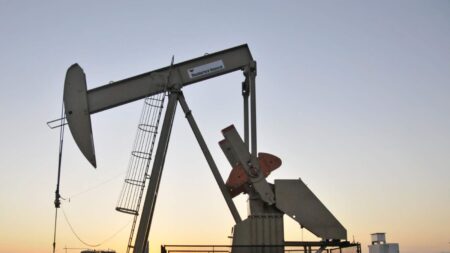
The driving force behind this cost explosion has been the dramatic surge in energy-related expenses that has followed the outbreak of hostilities in the Middle East. According to the comprehensive survey of company purchasing managers, input costs have been pushed sharply upward primarily by escalating prices for fuel, transportation, and energy-intensive raw materials – the basic building blocks of modern manufacturing. The numbers paint a stark picture: as of Tuesday morning, Brent crude oil prices had climbed by almost 50% since fighting began, while natural gas prices have surged even more dramatically, leaping by more than 90%. Unlike households, which enjoy some protection through government-imposed energy price caps that limit how much suppliers can charge consumers, businesses face the full brunt of these market fluctuations with no safety net to cushion the blow. This disparity means that while families might be somewhat insulated from the worst of the energy crisis, the companies that employ them and produce the goods they buy are absorbing massive cost increases. The S&P measure specifically tracking input costs for factories registered the most significant month-to-month acceleration since that infamous September day in 1992 when sterling crashed out of the European Exchange Rate Mechanism, forcing an emergency devaluation that reshaped British economic policy for years to come.
Price Increases and Job Losses Create Double Concern
Faced with these mounting costs, British businesses have had little choice but to pass them along to their customers, creating a ripple effect that will soon be felt in shops and services across the country. Companies reported that they increased their own prices at the fastest rate since April 2025 – a concerning development that consumers will begin noticing in their everyday purchases in the coming days and weeks. From grocery bills to transportation costs, from manufactured goods to services, the impact of these Middle East-driven cost pressures will gradually work their way through the economy and into people’s wallets. Adding another layer of concern to this already troubling picture, the survey also revealed that employment fell for the eighteenth consecutive month – a year and a half of continuous job losses that underscores how businesses under pressure are cutting their workforce to manage costs. This prolonged period of employment decline suggests that companies have been struggling with difficult conditions for some time, and the new energy shock is hitting an economy already operating on thin margins. The combination of rising prices and falling employment creates a particularly challenging environment, as it means households are facing higher costs for goods and services at the same time that job security is weakening and fewer employment opportunities are available.
Bank of England Faces Impossible Balancing Act
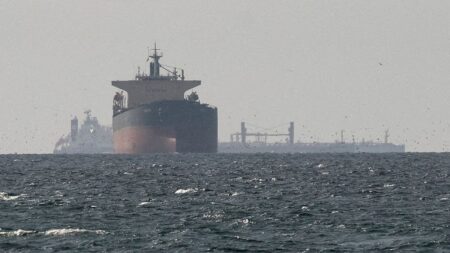
The economic fallout from the Middle East conflict has placed the Bank of England in an extraordinarily difficult position, forcing policymakers to navigate between two equally unpalatable risks. On one side, there’s the danger that this energy-driven spike in inflation could become embedded in the broader economy – a scenario where businesses and workers come to expect continued high inflation and adjust their pricing and wage demands accordingly, creating a self-perpetuating cycle that becomes increasingly difficult to break. On the other side, any aggressive move to combat inflation through higher interest rates risks pushing an already-slowing economy into recession, potentially destroying jobs and businesses in the process. Financial markets have already begun pricing in their expectations for how the Bank will respond, with LSEG data suggesting that traders have fully anticipated a 0.5 percentage point increase in the Bank’s base interest rate by year’s end. This expected tightening of monetary policy reflects the market’s belief that the Bank will ultimately prioritize fighting inflation, even at the cost of slower growth. Meanwhile, oil prices, despite showing some signs of stabilization amid growing hopes for a ceasefire between the United States and Iran that could eventually reopen the critical Strait of Hormuz shipping route, remain elevated at levels nearly 50% higher than they were in March alone, before the conflict began.
Long-Term Energy Market Disruption Expected
Even if diplomatic efforts succeed in bringing about an immediate cessation of hostilities, energy experts and economists warn that oil and natural gas costs are likely to remain significantly elevated above their pre-war levels for an extended period. The reason for this persistent elevation lies in the substantial damage that has been inflicted on energy infrastructure throughout the Gulf region during the conflict. Pipelines, refineries, loading facilities, and other critical components of the energy supply chain don’t simply switch back on the moment peace is declared – they require extensive repairs, safety inspections, and gradual restart procedures that can take months or even years to complete fully. This means that even in a best-case scenario where fighting stops immediately, the economic consequences will continue to reverberate through energy markets and, by extension, through every corner of the British economy that depends on affordable energy. The complex web of global energy supply chains, once disrupted, takes considerable time to restore to full efficiency, and during that restoration period, prices typically remain elevated as supply struggles to meet demand.
Economic Outlook Grows Increasingly Uncertain
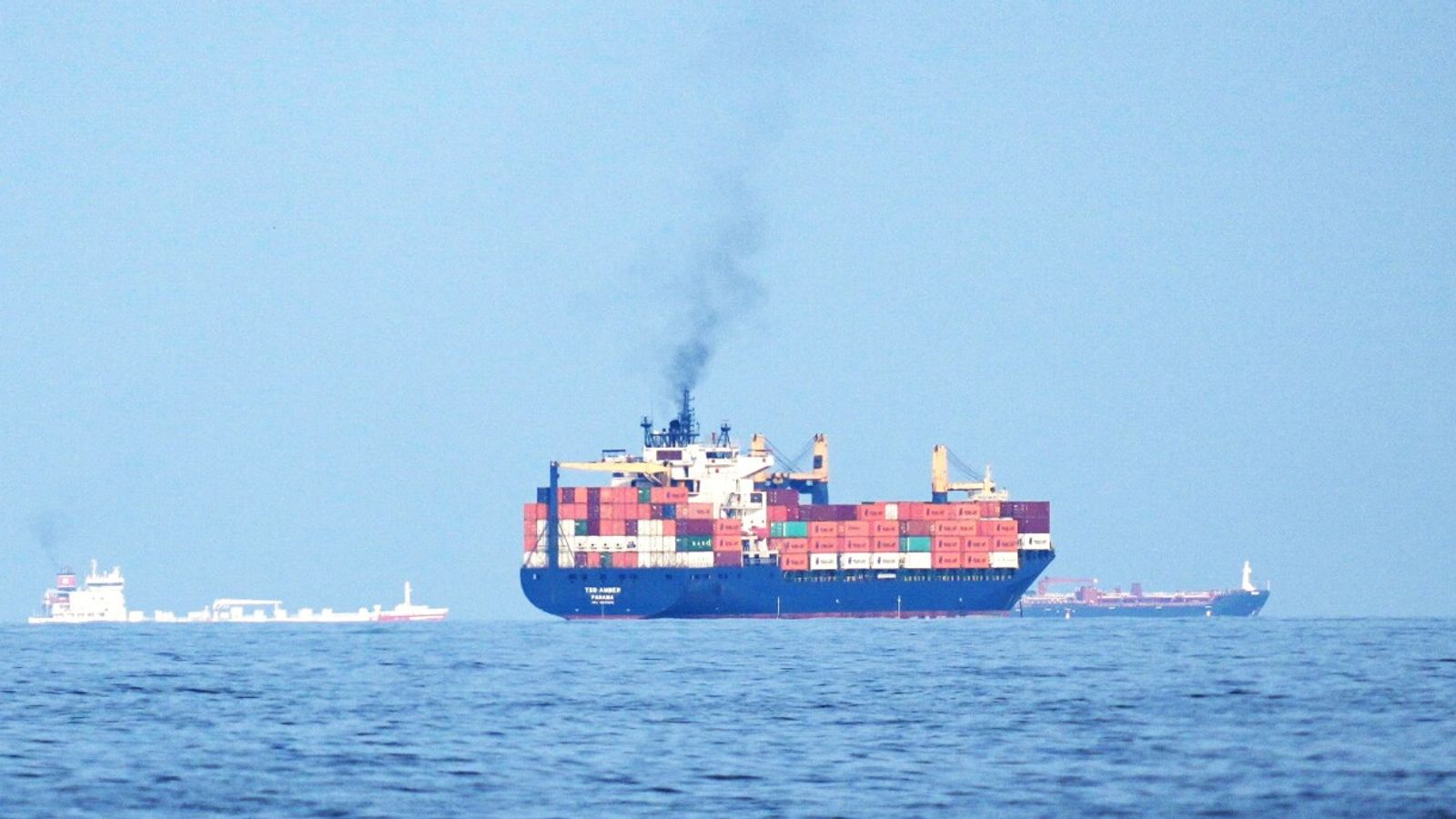
Chris Williamson, chief business economist at S&P Global Market Intelligence, provided a sobering assessment of the findings, highlighting how the conflict’s impact extends far beyond simple price increases. “Output growth across manufacturing and services has slowed to a crawl as companies blamed lost business directly on the events in the Middle East,” he explained, noting that the damage is occurring through multiple channels simultaneously – heightened risk aversion among customers who are postponing purchases and investments, surging price pressures that make business planning difficult, higher interest rates that increase borrowing costs, and significant travel and supply chain disruptions that prevent normal business operations. Williamson emphasized that inflationary pressures have surged dramatically on the back of rising energy prices and fractured supply chains, with the acceleration in cost growth in the manufacturing sector proving especially severe – the sharpest since sterling’s depreciation following Black Wednesday in 1992. He cautioned that the full impact on both inflation and economic growth depends not just on how long the war itself continues, but also on how long the disruptions to energy markets and international shipping persist, though he noted that March’s PMI numbers already clearly demonstrate how downside growth risks and upside inflation risks have materialized rather than remaining theoretical possibilities. Looking ahead, Williamson concluded that the Bank of England faces a particularly challenging period during which it will need to carefully balance these competing growth and inflation risks when setting policy, seeking to dampen the potential for the inflation spike to become more permanently engrained in expectations and behavior while simultaneously ensuring that an overly aggressive or hawkish interest rate approach doesn’t make the downturn worse and push the economy into a deeper recession than necessary.