

Presidential Meeting Amid Crisis: Trump Hosts Kennedy Center Board as Iranian Conflict Escalates
A High-Stakes Gathering at the White House
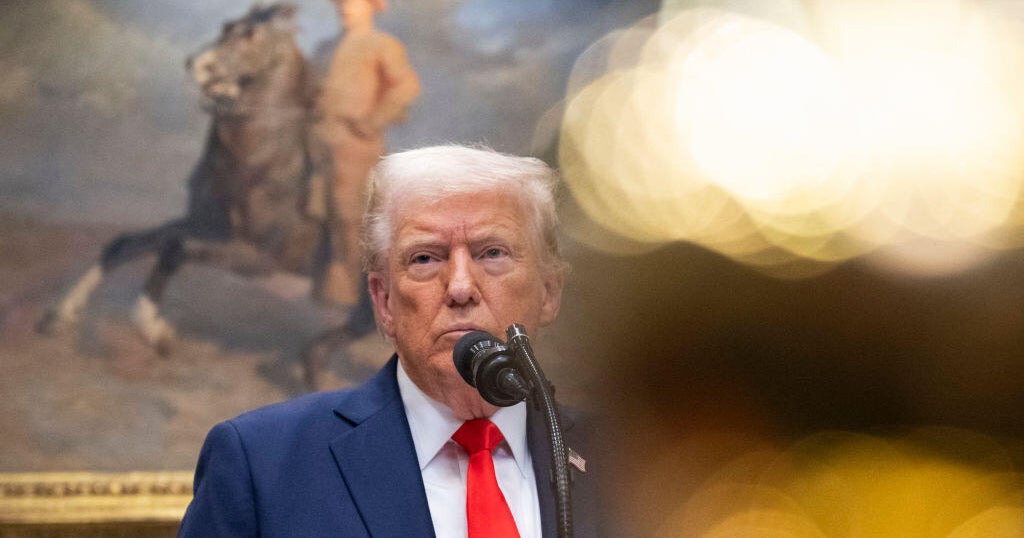
On Monday, President Trump welcomed members of the Kennedy Center board of trustees to the White House for what would prove to be a highly charged and controversial meeting. Set against the backdrop of an ongoing military conflict with Iran entering its third week, the president addressed reporters before sitting down with board members for a lunch meeting in the historic East Room. The gathering wasn’t just a routine administrative affair—it carried significant implications for one of America’s most iconic cultural institutions and took place during one of the most turbulent periods in recent American foreign policy.
The Kennedy Center, a living memorial to President John F. Kennedy and a beacon of American arts and culture since its opening in 1971, now finds itself at the center of a political and legal storm. The board had assembled to discuss and potentially vote on extensive renovation plans that would necessitate an unprecedented two-year closure of the venue, scheduled to begin on Independence Day, July 4th. This proposed shutdown has sparked fierce debate about the future of the center, raising questions about presidential authority, congressional oversight, and the preservation of national cultural heritage. The timing of this meeting, occurring simultaneously with a major international crisis, underscored the complex challenges facing the Trump administration on multiple fronts.
Congressional Pushback and Legal Intervention
The planned renovation and closure haven’t proceeded without significant opposition. Democratic Representative Joyce Beatty of Ohio, who serves as an ex officio member of the Kennedy Center’s board, has taken the extraordinary step of filing a lawsuit challenging the closure plans. Her legal action represents more than just a disagreement over renovation schedules—it speaks to fundamental concerns about executive overreach and the proper governance structure of an institution that was established with congressional involvement and oversight. Representative Beatty’s lawsuit argues that the president doesn’t have the unilateral authority to make sweeping decisions about the Kennedy Center without appropriate congressional participation.
Just days before the Monday meeting, Beatty secured a significant legal victory when U.S. District Judge Christopher Cooper granted her motion for access to information and the right to participate in the board proceedings. The judge’s order was specific and forceful: Beatty must “be afforded a meaningful opportunity to lodge her dissent at the meeting and not be categorically barred from speaking.” This judicial intervention highlighted the serious constitutional questions at stake and ensured that dissenting voices would be heard during the deliberations. Following the court ruling, Representative Beatty issued a powerful statement defending her position and the broader principles she believes are at risk. “No president has the authority to shut Congress out of the governance of the Kennedy Center, much less unilaterally rename or demolish it,” she declared, making clear that her concerns extended beyond the immediate closure to potentially more dramatic changes to the institution itself. She emphasized that she and her colleagues “will not stand by while an important part of our national heritage is jeopardized,” and she made her intention clear to voice these concerns directly at Monday’s board meeting.
The Iranian Conflict Casts a Long Shadow
While the Kennedy Center deliberations were certainly significant, they were taking place against the far more urgent backdrop of military conflict with Iran. As board members gathered at the White House, American forces were in their third week of engagement in what has become an increasingly serious and costly confrontation. The war has already had global economic repercussions, with oil prices surging above $100 per barrel as markets react to the instability in one of the world’s most critical oil-producing regions. The Strait of Hormuz, through which roughly one-fifth of the world’s petroleum passes, has become a particular focus of concern, with President Trump pressuring allied nations to assist in keeping this vital shipping channel open and secure.
The human cost of the conflict has been mounting steadily. According to Iranian sources, U.S.-Israeli strikes have resulted in nearly 1,500 deaths, though these figures are difficult to independently verify. On the other side, Iranian strikes have proven deadly as well, killing 14 people within Israel’s borders and approximately 40 more throughout the broader Middle East region. Among those killed were 13 U.S. service members—a sobering reminder of the price American military personnel pay during such conflicts. In response to the escalating situation, CBS News learned that plans were in place to deploy as many as 5,000 additional U.S. forces to the Middle East, a significant military commitment that would further deepen American involvement in the region. This military escalation provided a stark contrast to the cultural and administrative matters being discussed at the Kennedy Center board meeting, yet both situations demanded presidential attention and decision-making.
Leadership Changes at the Kennedy Center
Adding another layer of complexity to an already complicated situation, the Kennedy Center board meeting came just days after President Trump announced a significant leadership change at the institution. On Friday, the president revealed that Ric Grenell, who had been serving as the center’s president, would be stepping aside from his position. Grenell, a longtime Trump loyalist who had previously served as acting Director of National Intelligence and as U.S. Ambassador to Germany, had been a controversial choice for the role from the beginning, given his limited background in arts administration and his reputation as a political operative.
Taking Grenell’s place would be Matt Floca, who had been serving as the Kennedy Center’s vice president of facilities and operations. The selection of Floca represented a notably different choice—someone with institutional knowledge and operational experience rather than primarily political credentials. As the center’s facilities chief, Floca would presumably have intimate knowledge of the building’s infrastructure needs and the rationale behind the proposed renovations. His elevation to the CEO position suggested that the administration might be prioritizing operational expertise during this critical transition period, though critics might argue that the timing of the leadership change—just before a major board vote on the closure—raised questions about whether new leadership was being installed specifically to push through the administration’s preferred outcome.
Broader Questions About Cultural Heritage and Presidential Power
The controversy surrounding the Kennedy Center extends far beyond questions of construction timelines and administrative procedures. At its heart, the debate represents a fundamental disagreement about how America should steward its cultural institutions and who should have the authority to make decisions that affect our national heritage. The Kennedy Center isn’t just another performing arts venue—it’s a presidential memorial and a national cultural center that was established through an Act of Congress and has operated with a unique public-private governance structure since its founding. Changes to such an institution, particularly dramatic ones like a two-year closure, raise legitimate questions about appropriate oversight and decision-making processes.
Representative Beatty’s lawsuit and her reference to concerns about renaming or even demolishing the center suggest that the stakes may be even higher than initially apparent. While details about what specific changes might be under consideration haven’t been fully disclosed, the fact that a member of Congress felt compelled to seek court intervention to ensure her voice would be heard at a board meeting speaks volumes about the level of concern among those who believe the Kennedy Center’s future is being decided without adequate input from all stakeholders. The judge’s decision to explicitly order that Beatty be given a “meaningful opportunity to lodge her dissent” further validates these concerns and establishes an important precedent about governance transparency.
The Intersection of Culture and Crisis
As President Trump stood before reporters on Monday, preparing to host the Kennedy Center board while simultaneously managing a shooting war in the Middle East, the scene encapsulated the complex, multifaceted nature of presidential leadership. On one hand, the commander-in-chief must make life-and-death decisions about military deployments, coalition-building with international partners, and responses to attacks that have already claimed American lives. On the other hand, the president also serves as a steward of national institutions and must balance competing interests regarding cultural preservation, institutional governance, and administrative efficiency.
The confluence of these two very different challenges—one involving immediate threats to national security and American lives, the other concerning the long-term preservation and operation of a cultural landmark—illustrated the wide-ranging responsibilities that come with the presidency. Whether the Kennedy Center board would ultimately vote to approve the proposed renovations and two-year closure remained to be seen as the meeting got underway. What was certain, however, was that Representative Beatty would have her opportunity to voice opposition, that the decision would have lasting implications for one of America’s premier cultural institutions, and that this debate about heritage, governance, and presidential authority would continue well beyond Monday’s lunch meeting in the East Room. As oil prices climbed and military planners prepared for additional troop deployments to the Middle East, the Kennedy Center deliberations served as a reminder that even during times of international crisis, the ongoing work of governing a nation encompasses everything from warfare to the stewardship of the arts—each demanding attention, wisdom, and careful consideration of competing values and priorities.