
Elon Musk’s XMoney: A New Digital Payments Platform Set to Launch
The Vision Behind XMoney and Its Expected Beta Release
Elon Musk, the entrepreneur behind Tesla and SpaceX, is preparing to introduce his latest venture into the digital payments landscape with XMoney, a new financial platform that will begin beta testing with select users in April. This announcement represents Musk’s return to the financial technology sector, where he originally made his mark during the dot-com era. More than a year ago, Linda Yaccarino, who was serving as CEO of X at the time, announced a strategic partnership between XMoney and the credit card giant Visa, describing the platform as an “Everything App.” This concept borrows from successful Asian digital ecosystems like China’s WeChat, which seamlessly combines messaging, social networking, online shopping, payment processing, and various other services into one comprehensive application. While Musk shared the news of the upcoming beta launch on social media this Tuesday, he remained characteristically tight-lipped about specific details, including exactly when the first group of users would gain access to the platform. However, Musk has previously expressed his ambitious vision for XMoney, describing it as a platform “intended to be the place where all the money is,” suggesting he envisions it becoming a central hub for people’s financial activities.
Understanding XMoney’s Core Features and Functionality
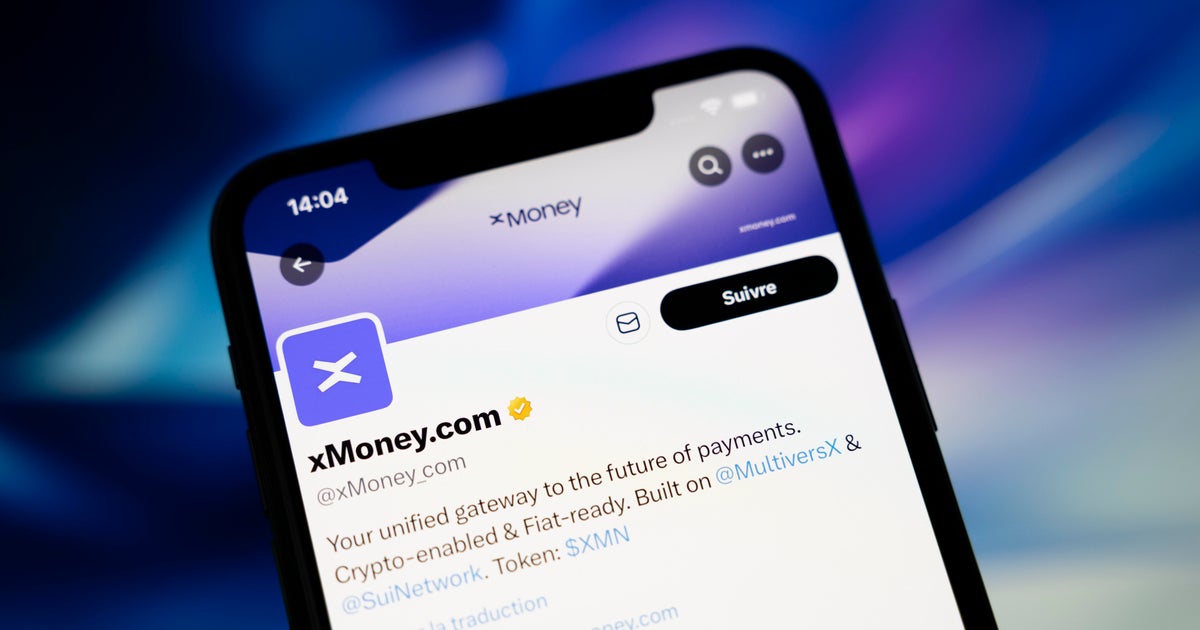
At its foundation, XMoney is being developed as a peer-to-peer financial payments platform that will compete directly with established services like PayPal, Venmo, and Zelle. The platform is an extension of X, the social media platform formerly known as Twitter that Musk acquired and rebranded. According to the information Yaccarino shared when announcing the Visa partnership, XMoney will allow users to create and fund an X-branded digital wallet through Visa Direct, which is Visa’s specialized digital payment network designed for real-time money transfers. Users will also have the option to link their existing debit cards directly to their XMoney accounts, enabling them to send payments to other users on the platform quickly and easily. The integration with Visa’s infrastructure suggests that XMoney aims to provide a secure and reliable payment experience backed by one of the world’s most trusted payment processors. However, beyond these basic features, concrete information about XMoney remains limited. Neither X nor Visa has responded to requests for additional details about the platform, including important information such as how many people will be invited to participate in the initial beta testing phase, what additional features might be included, or what the fee structure might look like for users.
The Shatner Connection and Charitable Beta Access
The platform received unexpected publicity when William Shatner, the legendary actor best known for his iconic role as Captain Kirk in “Star Trek,” revealed that he had been invited to participate in XMoney’s preliminary launch. Last month, Shatner shared screenshots on Instagram showing his invitation to sign up for the payment app, along with confirmation from Musk himself that Shatner’s account would be “activated shortly.” In a creative twist that combined promotion with philanthropy, Shatner announced he would distribute approximately 100 invitations to become XMoney beta testers in exchange for charitable donations of $1,000 each. This approach not only generated buzz around the upcoming platform but also demonstrated how XMoney might facilitate both personal transactions and charitable giving. Shatner’s playful reference to his science fiction legacy with the phrase “Beam me $100, Scotty” when discussing the payment app added a touch of humor to the announcement while illustrating the platform’s person-to-person transfer capabilities. The involvement of a high-profile celebrity like Shatner in the beta testing phase suggests that Musk may be strategically using influential early adopters to generate interest and credibility for XMoney before its wider release.
Geographic Availability and Regulatory Challenges
When XMoney launches, it will initially be available exclusively in the United States, where the platform has already secured the necessary licenses to operate in 40 states plus Washington, D.C. This represents significant regulatory groundwork, as money transmission services must obtain separate licenses in most states before they can legally operate. However, the path to nationwide availability hasn’t been entirely smooth, as some states have actively opposed granting XMoney permission to operate within their borders. Most notably, New York officials sent a formal letter in May 2025 to the state’s Department of Financial Services strongly urging the regulatory body not to authorize the app. In their letter, New York officials expressed serious concerns that XMoney would not conduct business “honestly, fairly, equitably, carefully and efficiently,” raising red flags about consumer protection. Even more pointedly, the officials took aim at Musk personally, stating that he “has engaged in a pattern of reckless conduct, in both business and government, that has put consumers at risk and demonstrated a lack of character and general fitness.” These strong words from New York regulators highlight the scrutiny that Musk’s business ventures often face, particularly given his controversial public statements and unconventional management style. The regulatory opposition in New York, one of the nation’s largest and most important financial centers, could pose challenges for XMoney’s expansion plans and may influence other states’ decisions about whether to grant the platform operating licenses.
Expert Perspectives on XMoney’s Potential for Success
Despite facing regulatory headwinds and entering the highly competitive digital payments marketplace where numerous established players already dominate, some technology and finance experts believe XMoney shouldn’t be dismissed lightly. Scott Devitt, an analyst at Wedbush Securities who specializes in internet and e-commerce trends, shared his perspective with CBS News, stating that “anything Elon focuses on has a good chance of success.” This vote of confidence reflects Musk’s track record of disrupting established industries, from electric vehicles with Tesla to private space exploration with SpaceX. Devitt also highlighted Musk’s deep and sophisticated understanding of payment systems, commerce, and generative artificial intelligence—all of which could provide competitive advantages as XMoney develops. The digital payments space is undeniably crowded, with established giants like PayPal, Venmo (owned by PayPal), Zelle (backed by major banks), Cash App (owned by Block), and Apple Pay already serving hundreds of millions of users. Breaking into this market and convincing people to adopt yet another payment platform represents a significant challenge. However, Musk’s history in this exact sector could prove advantageous, as this isn’t his first venture into digital financial services.
Musk’s Payment Platform History and XMoney’s Future Prospects
Elon Musk’s involvement with digital payments actually dates back to the early days of the internet revolution. During the dot-com boom of the late 1990s, Musk co-founded X.com, an online banking service that represented one of the first attempts to bring traditional banking services to the internet. X.com later merged with Confinity, and the combined company eventually pivoted to focus on its digital payments service, rebranding itself as PayPal in 1999. PayPal went on to become one of the most successful and widely-used payment platforms in the world, fundamentally changing how people send money and make purchases online. Musk’s early experience with PayPal gives him unique insights into both the opportunities and challenges of building a payments platform, as well as valuable perspective on user needs and behaviors. The resurrection of the “X” brand for both his social media platform and now for XMoney suggests Musk hasn’t forgotten his roots in financial technology. As XMoney prepares for its April beta launch, the platform faces significant questions about whether it can differentiate itself sufficiently in an already saturated market, whether it can overcome regulatory obstacles in key states like New York, and whether users will embrace yet another payment app. However, with Musk’s proven ability to disrupt industries, substantial resources, an existing user base on the X social platform, and strategic partnerships with established financial players like Visa, XMoney enters the market with advantages that most startups could only dream of having.