
The Impact of Rising Fuel Costs: What UK Drivers Need to Know
A Sharp Increase at the Pumps
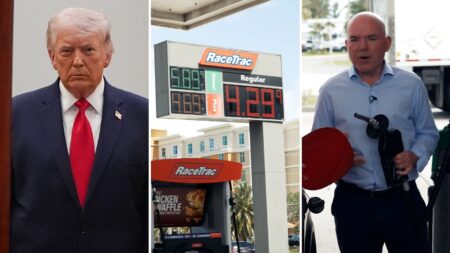
British drivers have been feeling the pinch at petrol stations across the country as fuel prices have surged dramatically over the past fortnight. The escalating conflict involving Iran has sent shockwaves through global oil markets, and motorists are bearing the brunt of these geopolitical tensions. According to recent data from the RAC, diesel prices have experienced a particularly steep climb, jumping by an eye-watering 18 pence per litre in just two weeks. From a relatively manageable 142.4 pence per litre at the end of February, prices have rocketed to 160.3 pence per litre following military strikes on Iran by the United States and Israel. This represents a substantial 13% increase, pushing diesel to its highest price point since November 2023. Petrol hasn’t escaped the price rises either, though the impact has been somewhat less severe. Over the same period, petrol prices have climbed 7%, rising from 132.8 pence to 141.5 pence per litre, reaching levels not seen since August of last year. The root cause of these increases lies in the oil markets, where prices have breached the psychologically significant $100 per barrel mark for the first time since 2022, driven by uncertainty and supply concerns stemming from the Middle Eastern conflict.
Understanding the Complex Breakdown of Fuel Prices
For many drivers filling up their tanks, the price displayed at the pump can seem arbitrary or mysterious, but there’s actually a complex formula behind what we pay. The single largest component of fuel prices might surprise many motorists: more than half of every pound spent on petrol or diesel goes straight to the government in the form of taxes. This tax burden is split between two different levies. Value Added Tax (VAT) accounts for 17% of the price for both petrol and diesel, while fuel duty makes up an even larger portion – 38% for petrol and 33% for diesel, according to RAC calculations. Beyond taxation, the actual cost of the wholesale fuel itself represents 33% of petrol prices and 40% of diesel prices. This is the portion most directly affected by fluctuations in global oil markets and geopolitical events like the current Middle Eastern conflict. The remaining percentage of what drivers pay covers several other necessary costs: the profit margins that retailers need to stay in business, the logistical expenses of transporting and distributing fuel from refineries to forecourts across the country, and the additional costs associated with making fuel more environmentally friendly through bio-content additives. This breakdown reveals that while international oil prices certainly matter, government tax policy plays an equally crucial, if not more significant, role in determining what British drivers ultimately pay at the pump.
The Government’s Revenue from Fuel Duty
Fuel duty represents one of the most significant revenue streams for the British government, generating substantial sums that help fund public services. Currently, the duty stands at 52.95 pence per litre for both standard petrol and diesel. This figure includes a temporary 5 pence reduction that was initially introduced as an emergency measure when the war in Ukraine began in 2022, causing the first major spike in fuel prices in recent years. The government has extended this temporary cut several times since then, but it’s not intended to last forever. At present levels, fuel duty brings approximately £24 billion into the government’s coffers annually, according to projections from the Office for Budget Responsibility. To put this in perspective, this represents roughly 1.9% of all government revenue, or the equivalent of £835 for every household in the country. The government has already mapped out plans to gradually phase out the temporary 5 pence cut, with the process scheduled to begin in August of this year and complete by March 2027. The removal will happen in stages: an initial 1 pence per litre increase in August, raising the duty to 53.95 pence, followed by a further 2 pence rise in December, and a final 2 pence increase next March. The Office for Budget Responsibility forecasts that once these increases take full effect, fuel duty will generate £24.2 billion in the 2026/27 tax year, jumping to £26.2 billion the following year.
The Growing Controversy and Political Pressure
The timing of these price increases, coinciding as they do with the planned fuel duty rises, has sparked significant controversy and debate. The government has been walking a political tightrope, attempting to warn fuel retailers against exploiting the situation through unfair price increases while simultaneously defending its own planned tax hikes. Chancellor Rachel Reeves has taken a firm public stance, calling on the competition watchdog to “crack down” on what she’s termed “rip-off” fuel prices, expressing concern about companies profiteering from the high oil prices caused by geopolitical instability. However, critics argue that the government’s own planned fuel duty increases represent an equally significant threat to household budgets and the broader economy. The AA’s president, Edmund King, has been particularly vocal in calling for a delay to the scheduled duty increases. His warning extends beyond the immediate impact on drivers’ wallets, highlighting the broader economic consequences that could ripple through the entire economy. Since diesel powers the vast majority of delivery vehicles and freight transport, increases in diesel prices don’t just affect motorists – they affect the cost of virtually all goods and services that need to be transported, from food to clothing to furniture. King has urged the chancellor to postpone the staggered reintroduction of the fuel duty, arguing it would provide “breathing space for hard-pressed households” during an already challenging economic period.
Government Signals Possible Flexibility
The mounting pressure appears to be having some effect, with government officials showing signs of potential flexibility on the issue. Over the weekend, Energy Secretary Ed Miliband was directly questioned about whether the government might consider pausing or delaying the planned fuel duty increases in light of the current crisis. His response, while careful not to make any firm commitments, suggested that the government recognizes the gravity of the situation and might be open to reconsidering its timeline. Miliband’s comments were notably candid, acknowledging the uncertainty surrounding the Middle Eastern conflict and its potential duration. He pointed out that with five months remaining until the first planned duty increase in August, the government would need to assess the situation as it develops. This response has been interpreted by many as leaving the door open for a potential delay, though the minister stopped short of making any explicit promises. The comment reflects the difficult position the government finds itself in – balancing the need for tax revenue to fund public services against the very real pressure on household budgets and the broader inflationary impact of rising fuel costs.
The Broader Implications for British Households and Economy
The current situation represents more than just an inconvenience for drivers; it has the potential to affect virtually every aspect of the British economy and household finances. The images of long queues forming at petrol stations across the UK, with drivers attempting to fill up before prices rise even further, harken back to previous fuel crises and demonstrate the anxiety many people feel about their ability to afford essential transport. For families already struggling with the cost of living, these increases represent another significant blow to household budgets. Commuters face higher costs getting to work, while those who rely on their vehicles for their livelihoods – from taxi drivers to small business owners – face squeezed profit margins. The inflationary pressure extends far beyond direct fuel purchases, as King noted in his warnings about diesel prices. When it becomes more expensive to transport goods, those costs inevitably get passed along to consumers in the form of higher prices on supermarket shelves and in shops. As the situation continues to develop, all eyes will be on both the international oil markets and the government’s response. Will oil prices stabilize if tensions in the Middle East ease, or will they continue to climb? Will the government maintain its position on fuel duty increases, or will political and economic pressure force a rethink? For millions of British drivers and households, the answers to these questions will have very real and immediate consequences for their daily lives and financial wellbeing in the months ahead.