


What a DHS Shutdown Means for America: A Complete Breakdown
The Looming Shutdown Crisis
As the clock ticked toward midnight on Friday, America faced a significant crisis: the Department of Homeland Security was heading toward a complete shutdown after Congress failed to pass a funding bill before their stopgap measure expired. This wasn’t just another Washington political squabble—it represented a genuine impasse between Democrats and Republicans that could affect millions of Americans. The Democrats had put forward several specific demands aimed at reining in what they viewed as an overly aggressive immigration crackdown, but despite negotiations, the two parties simply couldn’t find common ground. Among the key Democratic demands were requirements for judicial warrants before certain enforcement actions, better identification for DHS officers in the field, updated use-of-force standards that would protect civil liberties, an end to detaining individuals without first verifying they aren’t U.S. citizens, and prohibitions against conducting searches based solely on a person’s race, language, accent, or occupation. These demands gained particular urgency following the tragic shootings of Renee Good and Alex Pretti by federal law enforcement officers in Minneapolis just weeks earlier, which highlighted the need for greater accountability and oversight in federal enforcement operations.
Understanding What Actually Shuts Down
When people hear “government shutdown,” they often imagine all government operations grinding to a complete halt, but the reality is much more nuanced, especially when it comes to the Department of Homeland Security. According to DHS’s own website and operational guidelines, during a funding lapse, the department can only continue what they call “exempt” activities—essentially work related to law enforcement, maritime protection, and other critical national security functions. The general rule is that employees whose work is deemed “necessary for safety of human life or protection of property” will be required to continue working even without funding in place. Additionally, federal employees whose jobs are considered “necessary to the discharge of the president’s constitutional duties and powers” must keep working according to DHS’s 2025 funding lapse plan. This shutdown would directly affect several major agencies that most Americans interact with or depend upon: the Transportation Security Administration (those folks checking your bags at airports), the Federal Emergency Management Agency (which responds to disasters), the Coast Guard, the Cybersecurity and Infrastructure Agency, and numerous other agencies within DHS that work behind the scenes to safeguard national security. The numbers are staggering—about 13% of the entire federal civilian workforce would be implicated, with the vast majority forced to continue working without receiving paychecks until the shutdown ends, according to data from both DHS and the Office of Personnel Management.
The Human Cost: Employees Working Without Pay
Perhaps the most troubling aspect of any government shutdown is what it means for the dedicated public servants who keep our country running. According to the Department of Homeland Security’s September 2025 funding lapse plan, the vast majority of DHS employees would be classified as “exempted”—a bureaucratic term that means they’re required to show up for work even though they won’t receive a paycheck while the shutdown continues. The numbers from 2025 estimates paint a stark picture: of DHS’s 271,927 employees, approximately 249,065—nearly 92% of the entire workforce—would be exempt and expected to continue working during a funding lapse. While these workers would eventually receive backpay after the shutdown ends (assuming Congress passes legislation to that effect, as they typically do), the immediate impact on families is very real. These aren’t abstract statistics; they’re real people with mortgages to pay, children to feed, and bills that don’t stop coming just because Congress can’t agree on a budget. History shows us that as shutdowns drag on, this number of workers actually showing up can dwindle considerably. When people go weeks without paychecks, some take leave, call in sick, or simply don’t show up for work—they need to find ways to support their families, after all. This erosion of the workforce can compound the effects of a shutdown, making government services even more degraded as time goes on.
Travel Plans and Airport Security
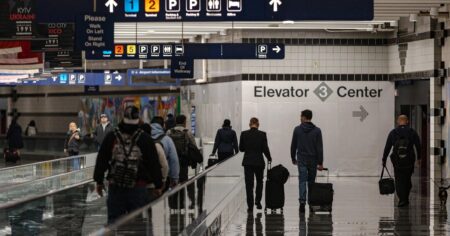
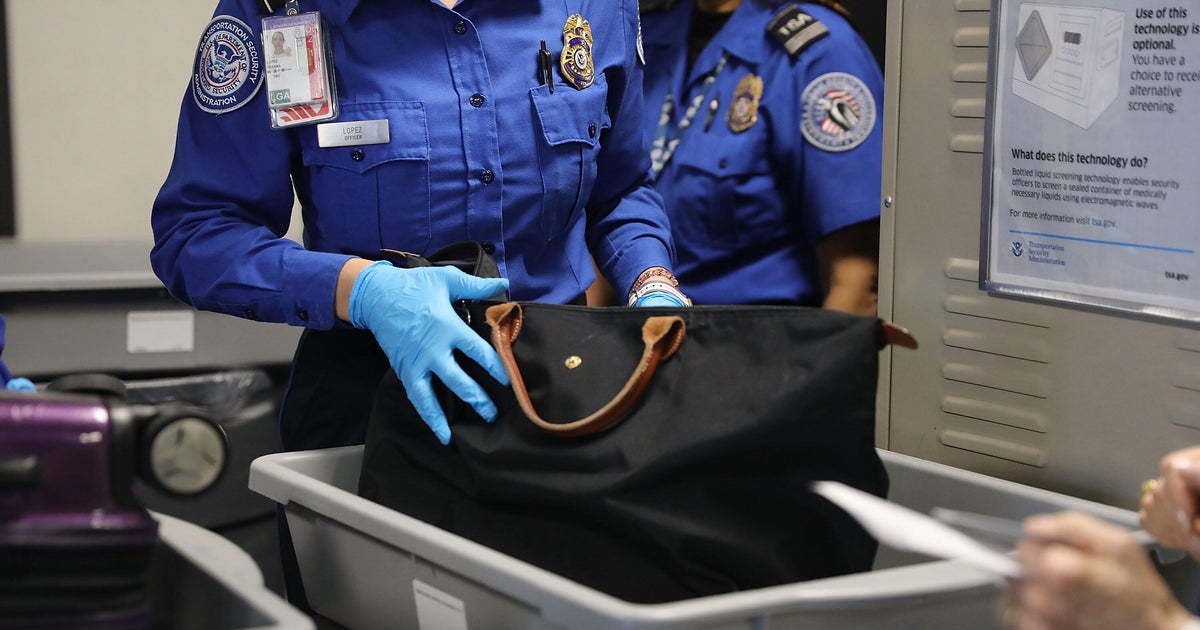
If you have travel plans coming up, you’re probably wondering how this shutdown might affect your trip. There’s some good news and some potentially concerning news on this front. The good news is that air traffic controllers—those essential professionals who keep planes from running into each other in the sky—fall under the Department of Transportation’s budget, and that department’s funding for this fiscal year has already been approved and enacted by Congress. This means air traffic control operations will continue without interruption, which is obviously critical for flight safety. However, the Transportation Security Administration, which runs security checkpoints at airports across the country, does fall under the Department of Homeland Security umbrella. This means TSA workers will be in the same boat as other DHS employees: required to show up for work but not receiving paychecks while the shutdown continues. In the short term, especially over a long holiday weekend like Presidents Day, you might not notice much difference at the airport. But if the shutdown drags on for weeks, TSA and airport security staffing levels could definitely be affected as workers struggle with financial pressures. History has shown that during previous extended shutdowns, some TSA workers called in sick or didn’t show up, leading to longer security lines and wait times at airports across the country. So while your flight will still take off and land safely, you might want to arrive at the airport earlier than usual if this shutdown continues for any significant length of time.
Immigration Enforcement Continues Full Steam Ahead
In what might be the most politically significant aspect of this shutdown, immigration enforcement operations are expected to continue without any interruption whatsoever. This is due to the massive $165 billion cash infusion that was included in last year’s One Big Beautiful Bill Act—a enormous funding package that included $75 billion specifically for Immigration and Customs Enforcement (ICE) and $65 billion for Customs and Border Protection (CBP). To put this in perspective, this funding goes well beyond the annual allotments that these agencies typically receive, and it means they have enough money in the bank to continue their operations regardless of whether Congress passes the current DHS funding measure. The DHS funding bill that failed to pass through Congress would have provided $64 billion in discretionary funding for the entire fiscal year, with only $10 billion earmarked for ICE—a fraction of what the agency already has from the previous legislation. This means that the Trump administration’s controversial immigration enforcement campaign, which has been the source of so much political tension and the reason Democrats attached conditions to their support of the DHS funding bill, will continue unabated. Border patrol agents will keep working, detention facilities will remain operational, and ICE officers will continue enforcement operations in communities across the country. For those who support stricter immigration enforcement, this is welcome news; for those concerned about civil liberties and the treatment of immigrants, it’s deeply troubling that the very activities Democrats sought to restrain through the funding process will continue regardless of the shutdown.
Other Critical Functions and What They Mean for You
Beyond travel and immigration, the shutdown affects numerous other government functions in ways that might not be immediately obvious but are nonetheless important. The Secret Service’s protective functions will continue without interruption—the president, vice president, and other protected individuals will maintain their security details, and other Secret Service operations at the White House are expected to continue as normal. The Coast Guard, which is unique as the only military branch that falls under the DHS umbrella rather than the Department of Defense, will likely have to suspend some functions like training exercises, but their critical search and rescue operations will continue, meaning boaters in distress will still get help. Counterterrorism surveillance and intelligence gathering operations are not expected to face any disruptions, which is crucial for national security. Other law enforcement functions throughout DHS will continue if they directly involve protecting human life or property, though employees with administrative roles that don’t directly involve such protection would be furloughed. Perhaps most concerning for communities dealing with natural disasters or other emergencies is the impact on the Federal Emergency Management Agency (FEMA). While past shutdowns have shown that FEMA deployments to major disasters or emergencies continue, Gregg Phillips, the associate FEMA director, testified before Congress that a shutdown would result in numerous employees being furloughed and “would severely disrupt FEMA’s ability to reimburse states for disaster relief costs and to support our recovery from disasters.” According to DHS guidelines, FEMA had just under 25,000 employees as of their last count, with about 21,000 maintaining exempt status and continuing to work during a shutdown—but those 4,000 furloughed workers could make a real difference in how quickly communities recover from disasters and how effectively states get reimbursed for their emergency response costs.