
Understanding Iran’s Naval Confrontations: A Comprehensive Overview
The Scope and Pattern of Iranian Maritime Operations
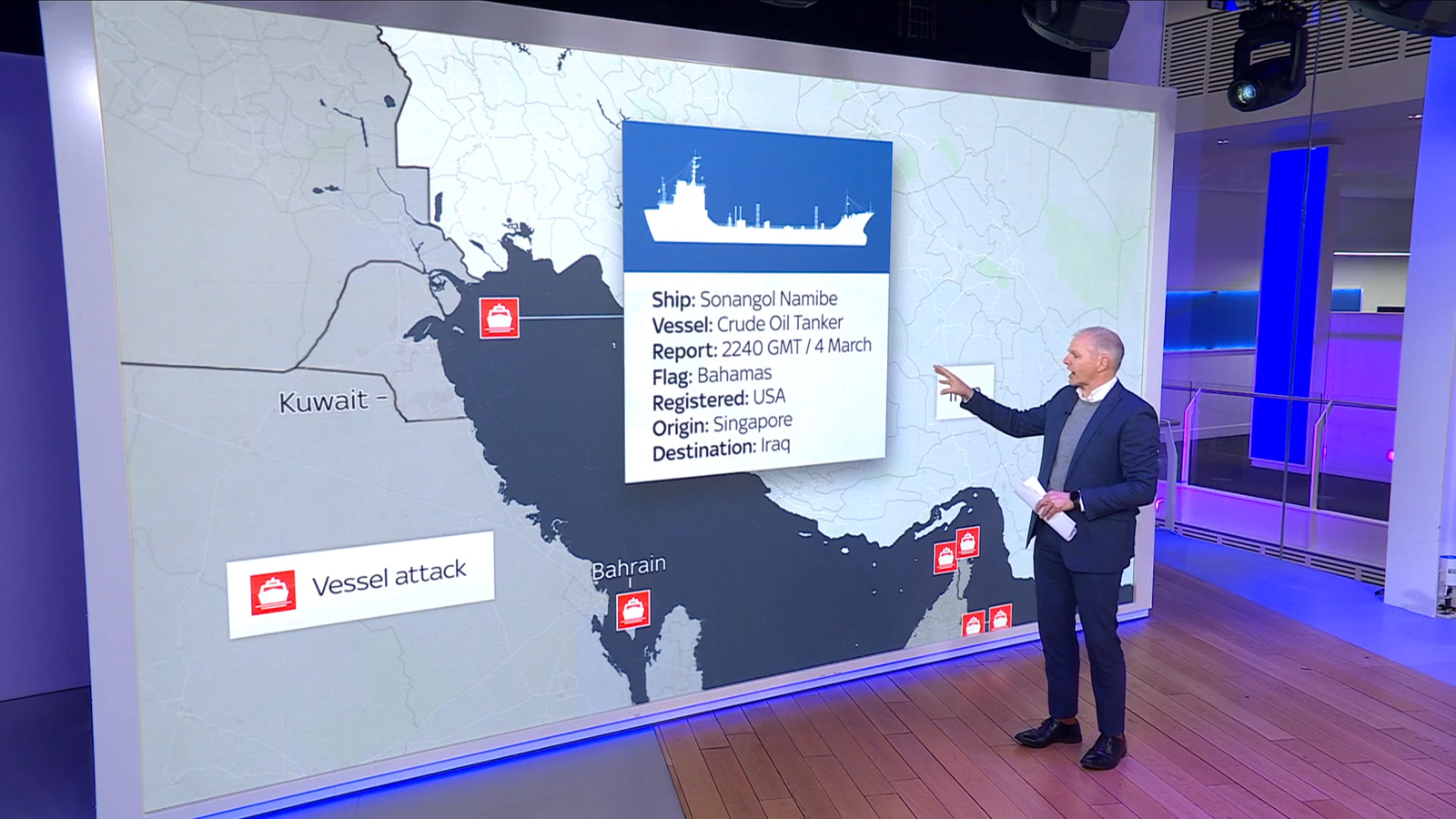
Iran’s involvement in maritime confrontations and vessel attacks has been a persistent source of tension in international waters, particularly in the strategically vital Persian Gulf and the Strait of Hormuz. These incidents haven’t occurred in isolation but rather represent a complex pattern of geopolitical maneuvering, regional power projection, and responses to international pressure. The Islamic Republic has developed a sophisticated approach to asymmetric naval warfare, utilizing various methods ranging from direct military action to support for proxy forces that carry out attacks on commercial and military vessels. Understanding which vessels Iran has targeted requires examining not just individual incidents but the broader context of Middle Eastern politics, international sanctions, and the ongoing struggle for regional dominance. The attacks vary significantly in nature—some involve direct seizures by Iranian Revolutionary Guard Corps (IRGC) naval forces, others consist of sabotage operations, mine attacks, or drone strikes, while still others involve support for allied groups like Yemen’s Houthi rebels who conduct operations that serve Iranian strategic interests.
High-Profile Seizures and Detentions in the Strait of Hormuz
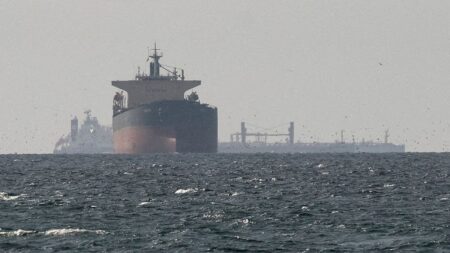
The Strait of Hormuz, through which approximately one-fifth of the world’s oil supply passes, has been the epicenter of numerous Iranian vessel seizures over the past several years. In 2019, Iran seized the British-flagged oil tanker Stena Impero in what many analysts viewed as retaliation for the detention of an Iranian tanker near Gibraltar. The Stena Impero was held for more than two months, creating a significant diplomatic crisis between Tehran and London. This wasn’t an isolated incident—Iran has detained numerous other vessels transiting these waters, often citing technical violations of maritime regulations or environmental concerns, though these justifications are widely viewed as pretexts for political leverage. In 2021, Iranian forces seized the South Korean-flagged tanker Hankuk Chemi, holding it and its crew for months in what appeared to be an attempt to pressure Seoul regarding frozen Iranian assets in South Korean banks. More recently, in 2023, Iran seized multiple oil tankers, including the Marshall Islands-flagged Advantage Sweet, continuing this pattern of using maritime detentions as a tool of statecraft. These seizures typically involve fast attack boats from the IRGC Navy surrounding larger vessels and forcing them to change course toward Iranian ports, sometimes with armed personnel rappelling onto the ships from helicopters in dramatic displays of force.
Covert Attacks and Sabotage Operations
Beyond direct seizures, Iran has been implicated in numerous covert attacks on vessels that bear the hallmarks of sophisticated sabotage operations. In May and June 2019, a series of mysterious attacks damaged several tankers in the Gulf of Oman, including the Norwegian-owned Front Altair and the Japanese-owned Kokuka Courageous. U.S. officials released video footage they claimed showed IRGC members removing an unexploded limpet mine from one of the vessels, though Iran vehemently denied involvement. These limpet mine attacks—involving magnetic explosive devices attached to ships’ hulls below the waterline—represented a concerning escalation that threatened international shipping without crossing the threshold into open warfare. Similar tactics were observed in attacks on Saudi Arabian oil tankers and facilities, where the technical sophistication suggested state-level capabilities rather than non-state actors. In 2021, the Israeli-managed tanker Mercer Street was attacked by explosive drones off the coast of Oman, killing two crew members—a Romanian and a British national. This attack, widely attributed to Iran despite Tehran’s denials, marked a dangerous escalation involving lethal force against civilian mariners and prompted strong international condemnation. The use of unmanned aerial vehicles in maritime attacks demonstrates Iran’s evolving asymmetric warfare capabilities and willingness to employ plausibly deniable methods.
Proxy Attacks and the Houthi Connection
Iran’s maritime aggression isn’t limited to direct action by its own forces—Tehran has provided substantial support to Yemen’s Houthi rebels, who have conducted extensive attacks on commercial shipping in the Red Sea and Bab el-Mandeb strait. The Houthis, supplied with Iranian weapons technology, have targeted dozens of vessels using anti-ship missiles, explosive-laden boats, and naval mines. In 2022 and 2023, Houthi attacks on commercial shipping intensified dramatically, with the rebels claiming to target vessels associated with Israel or countries supporting Israel, though many attacked ships had no clear Israeli connection. These attacks have included strikes on oil tankers, cargo vessels, and even a crude oil terminal off Yemen’s coast. The Saudi-flagged oil tanker Brillante Virtuoso suffered a devastating attack that many analysts believe involved Iranian-backed elements, resulting in massive damage and complex insurance litigation that continues years later. By supporting and equipping the Houthis, Iran extends its strategic reach beyond the Persian Gulf into critical Red Sea shipping lanes without directly exposing its own forces to retaliation. This proxy warfare approach provides Tehran with plausible deniability while still achieving strategic objectives of disrupting adversaries’ economic interests and demonstrating the ability to threaten global commerce. The weapons systems used in these attacks, including sophisticated anti-ship cruise missiles and explosive drones, clearly show Iranian design and origin, even when fired by Houthi forces.
Military and Government Vessels in Iranian Crosshairs
While commercial shipping has borne the brunt of Iranian maritime aggression, military and government vessels have also been targeted or confronted. U.S. Navy ships operating in the Persian Gulf have experienced numerous dangerous encounters with IRGC fast attack craft conducting aggressive maneuvers at high speed and close range, sometimes coming within yards of American vessels in what military officials describe as “unsafe and unprofessional” behavior. While these incidents rarely escalate to actual attacks, they create significant risk of miscalculation that could trigger broader conflict. In 2016, Iran briefly detained U.S. Navy sailors when their boats drifted into Iranian territorial waters due to navigation errors, creating a tense diplomatic situation that was eventually resolved. Beyond American forces, vessels from other Gulf nations and international naval forces have faced similar confrontations. The attacks on Saudi naval vessels and oil infrastructure, particularly the 2017 attack on a Saudi frigate by what was described as an explosive-laden boat operated by Houthi forces, demonstrate the willingness to target military assets. Israeli-owned or operated vessels have been particular targets, with numerous incidents involving ships with Israeli connections suffering mysterious explosions, fires, or other damage while transiting Middle Eastern waters. This shadow war at sea between Iran and Israel has included tit-for-tat attacks on vessels, with both nations rarely acknowledging their involvement but with strong circumstantial evidence pointing to state-sponsored operations.
The Strategic Calculus Behind Maritime Confrontations
Understanding why Iran targets specific vessels requires examining Tehran’s broader strategic objectives and the constraints it operates under. Iran’s maritime aggression serves multiple purposes: it demonstrates capability to disrupt global energy supplies and international commerce, thereby deterring potential military action against Iranian interests; it provides leverage in negotiations over sanctions relief and nuclear programs; it allows retaliation against adversaries in ways that remain below the threshold of conventional warfare; and it projects power throughout the region despite Iran’s conventional military disadvantages compared to adversaries like the United States and Saudi Arabia. The pattern of attacks often correlates with periods of heightened tension—escalations in attacks typically follow events like the U.S. withdrawal from the Iran nuclear deal, the assassination of Iranian military leaders, or increased international pressure through sanctions. Iran has repeatedly threatened to close the Strait of Hormuz if its own oil exports are completely blocked, and the vessel attacks serve as demonstrations that this threat has teeth. The international community has responded with varying degrees of effectiveness, including the formation of maritime security coalitions, increased naval presence in vulnerable waters, and enhanced vessel protection measures. However, the fundamental tension remains unresolved: Iran seeks to break free from economic isolation and maintain regional influence, while opposing nations seek to contain Iranian expansion and prevent nuclear weapons development. Until this underlying geopolitical deadlock is addressed, maritime confrontations will likely continue as Iran employs the sea as both a battlefield and a bargaining chip in its struggle for strategic advantage in one of the world’s most volatile regions.