
Rachel Reeves’ Spring Statement: A Low-Key Fiscal Update
A Deliberate Shift to Quiet Economics
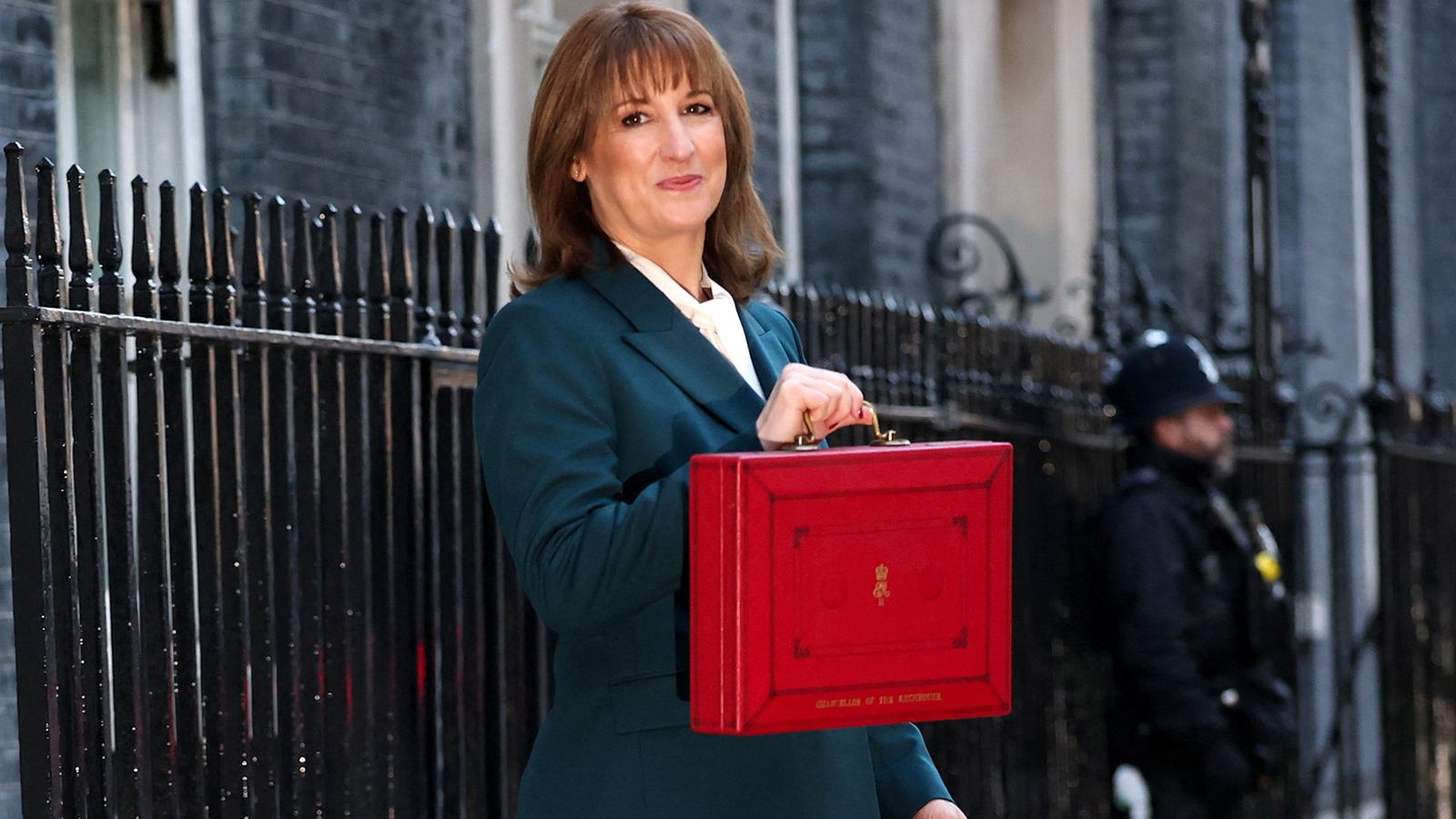
Chancellor Rachel Reeves is taking a notably different approach with her upcoming spring statement, scheduled for the afternoon of March 3rd in the House of Commons. In a deliberate departure from previous years, she’s transforming what was once called the “spring budget” into a more subdued affair. The chancellor has made it clear that she wants only one major fiscal event each year—the autumn budget—relegating the spring statement to a supporting role. This isn’t just a cosmetic change; it represents a fundamental shift in how the government approaches its financial communications with the public. While the exact timing hasn’t been confirmed, Reeves is expected to speak for just 20 minutes, a far cry from the hour-long presentations that typically accompany full budget announcements. The symbolism extends even to the famous red box—she’s not even expected to carry it this time around. This streamlined approach follows last November’s budget, which was preceded by intense speculation and resulted in significant tax increases that pushed tax as a share of GDP to an all-time high. The Treasury has been emphatic that this spring statement will be genuinely low-key, with no major policy announcements expected.
The Critical Role of Economic Forecasts
Despite the chancellor’s insistence on keeping things quiet, the spring statement remains a crucial moment for understanding the health of the British economy and the government’s fiscal position. The Office for Budget Responsibility (OBR) will release its latest economic forecasts immediately after Reeves delivers her speech, and these numbers will tell a vital story about whether the government’s policies are working. The OBR produces just two forecasts annually, making each one a significant barometer of economic performance and the government’s likelihood of meeting its self-imposed fiscal rules. These rules are straightforward but challenging: the government must not borrow to fund day-to-day public spending by the end of this parliament, and it must get government debt falling as a share of national income within the same timeframe. While the presentation may be understated, the substance matters enormously—these forecasts will reveal what effect the last budget and current government policies have had on the economy. Economists will pore over the data to calculate the chancellor’s “headroom”—the financial wiggle room she has to maneuver within her fiscal rules—which could significantly impact future economic policy decisions.
Learning from Past Mishaps
The OBR’s involvement this time comes with added security measures following an embarrassing incident at the last budget. In an unprecedented breach, the OBR accidentally leaked its assessment approximately 40 minutes before the chancellor stood to deliver her announcement, undermining the carefully choreographed reveal that traditionally accompanies budget statements. Following a thorough security review, the Treasury has decided to take control of the publication process. For the first time in the OBR’s 16-year history, the forecast will be published on the government’s own website (gov.uk) rather than on the OBR’s platform. Interestingly, this also marks the first time the OBR won’t publish a formal assessment of the government’s progress toward meeting its fiscal rules. While this might seem like a reduction in transparency, it’s primarily a procedural change designed to prevent future leaks. The information will still be available to economists and analysts, who will quickly calculate the implications for the government’s fiscal position and the broader economy. This incident highlighted just how politically sensitive budget information can be and how even minor timing issues can create major headaches for a government trying to control its economic narrative.
The Tax Question and Political Risks
One of the most pressing questions surrounding the spring statement is whether Reeves might implement any tax changes, however minor. While she’s committed to avoiding major announcements, small adjustments to tax policy remain possible. However, this would be walking a political tightrope. Any tax increases, no matter how they’re presented, could expose her to accusations of implementing “stealth taxes”—raising revenue in ways that aren’t immediately obvious to the public. The political risks are substantial. Opposition parties would undoubtedly seize on any tax changes as evidence of broken promises or fiscal mismanagement. Perhaps more worryingly for the chancellor, she might face criticism from within her own party, as previous governments have discovered that internal party dissent over tax policy can be just as damaging as opposition attacks. This political reality likely explains why Reeves is so determined to keep the spring statement low-key. By setting expectations low and avoiding major announcements, she can minimize the risk of political backlash while still fulfilling her obligation to update Parliament and the public on the government’s fiscal position. It’s a careful balancing act between transparency and political prudence.
The Fragile State of Britain’s Economy
Understanding the context for this spring statement requires examining the current state of the UK economy, which presents a mixed and somewhat troubling picture. While there’s been positive news on the inflation front—with the rate falling sharply from its recent peaks—the current level of 3% remains stubbornly above the Bank of England’s 2% target. Economic growth tells a similarly concerning story. GDP grew by just 0.1% in the final quarter of 2025, though the full-year figure of 1.3% growth looks somewhat more respectable. These modest growth figures reflect an economy that’s struggling to gain momentum, caught between the lingering effects of past economic shocks and current global uncertainties. Perhaps most concerning is the unemployment situation. The unemployment rate has climbed to 5.2% in the three months ending December 2025, the highest level since 2021. This represents real hardship for hundreds of thousands of families across the country. The situation is particularly dire for young people, with unemployment among 16 to 24-year-olds reaching 16.1% over the same period—the highest since 2014 according to Office for National Statistics data. This youth unemployment crisis represents not just immediate economic pain but potential long-term scarring effects that could impact these young workers for years to come.
Silver Linings and Future Prospects
Despite these challenges, there are some positive indicators that provide reason for cautious optimism. Wages continue to grow, with annual growth in weekly earnings (excluding bonuses) rising by 4.2% in the last quarter of 2025. This represents real improvement in living standards for working people, particularly as inflation has been falling. Perhaps most encouragingly for the government’s fiscal position, tax receipts have increased substantially due to previously implemented tax rises. January saw a remarkable £30.4 billion government budget surplus—£15.9 billion more than the previous year and the highest figure (without adjustment for inflation) since monthly records began in 1993. This substantial surplus gives the chancellor some breathing room and demonstrates that, whatever the political controversy around tax increases, they are at least generating the intended revenue. As Rachel Reeves prepares to deliver her spring statement, she faces the challenge of managing expectations while providing genuine insight into the economy’s trajectory. Her decision to keep things low-key may disappoint those hoping for bold new initiatives, but it reflects a more measured approach to fiscal policy—one that reserves major announcements for the autumn budget while using the spring statement as a check-in point rather than a launching pad for new policies. Whether this approach succeeds will depend not just on her 20-minute presentation, but on the economic forecasts that accompany it and the government’s ability to navigate the challenging economic waters ahead.