


White House Issues Warning About Betting on Prediction Markets with Insider Information
Ethics Reminder Sent to All Administration Staff
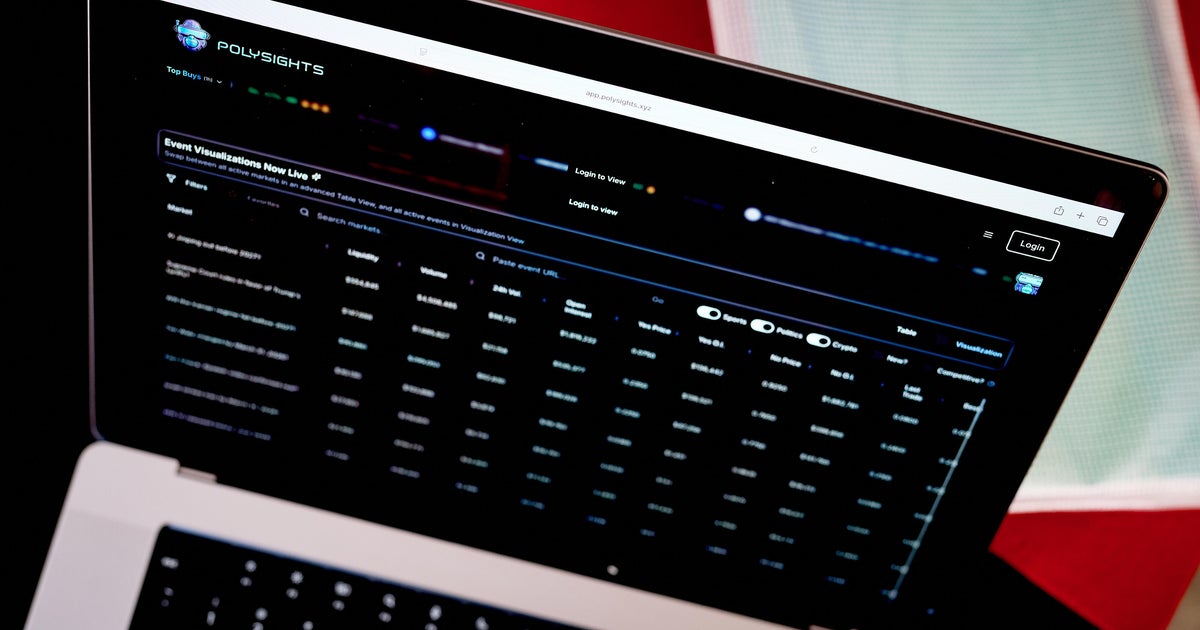
In late March, White House staff members received a pointed reminder about the serious legal and ethical boundaries surrounding the use of confidential government information. According to multiple administration officials who spoke with CBS News, an email was distributed on March 24th by the White House Management Office, explicitly warning employees against placing bets on prediction markets using nonpublic information. The message came at a time when media reports had raised questions about whether government officials might be taking advantage of their privileged access to information that hasn’t yet been made available to the public. The email specifically mentioned popular prediction market platforms like Kalshi and Polymarket, where people can essentially place wagers on the outcomes of various political and economic events. This communication represented a clear effort by the administration to draw a bright line around what constitutes acceptable behavior for those working in positions of public trust.
The Legal and Ethical Framework Explained
The email obtained by CBS News laid out in no uncertain terms the serious nature of misusing government information for personal financial gain. It emphasized that using nonpublic information to buy or sell contracts on prediction markets isn’t just an ethical violation—it’s actually a criminal offense that can result in prosecution. The message went further to explain that existing government ethics regulations specifically prohibit employees from using confidential information they learn through their official duties for their own private benefit or to help any other person make money. The email made it abundantly clear that “the misuse of nonpublic information by government employees for financial benefit is a very serious offense and will not be tolerated” within the Trump administration. Staff members were directed to reach out to the White House Counsel’s Office if they had any questions about where the lines are drawn or needed clarification about specific situations. This wasn’t presented as a suggestion but as a mandatory requirement that all White House employees were expected to follow without exception.
Administration’s Official Response to Concerns
When asked to comment on the email and the concerns that prompted it, White House spokesman David Ingle provided a statement that framed the issue within President Trump’s broader position on insider trading by government officials. Ingle explained that “President Trump has been crystal clear: while he seeks a strong and profitable stock market for everyone, members of Congress and other government officials should be prohibited from using nonpublic information for financial benefit.” He emphasized that the president’s only guiding principle is “the best interest of the American people,” not any special interests or personal financial considerations. However, Ingle also pushed back against what he characterized as unfounded suggestions that administration officials had actually engaged in this kind of behavior. He stated that “any implication that Administration officials are engaged in such activity without evidence is baseless and irresponsible reporting.” The statement walked a careful line—acknowledging the importance of the ethical guidelines while defending administration personnel against what officials viewed as speculative accusations without concrete proof of wrongdoing.
The Iran Announcement and Trading Irregularities
The timing of this ethics reminder wasn’t random. It came just one day after a suspicious incident that had caught the attention of financial journalists and raised eyebrows among ethics watchdogs. On March 23rd, President Trump made a significant foreign policy announcement on his Truth Social platform, revealing that he was postponing planned military strikes on Iran’s power plants because talks with the Iranian government were underway. This was market-moving news that would obviously affect oil prices, since any military action in the Middle East typically causes oil markets to spike due to concerns about supply disruptions. However, according to reporting from both Bloomberg News and the Financial Times, there was a noticeable and unusual spike in oil futures trading in the minutes immediately before Trump’s post went live on Truth Social. This sequence of events—significant trading activity followed moments later by a major announcement that would justify exactly that kind of trading—naturally led to concerns about whether someone with advance knowledge of the president’s announcement had acted on that information to make profitable trades before the rest of the market knew what was coming.
Understanding Prediction Markets and Why They Matter
For those unfamiliar with how these platforms work, prediction markets like Kalshi and Polymarket allow users to essentially bet on the outcomes of real-world events, from election results to policy decisions to economic indicators. These markets have grown increasingly popular and sophisticated in recent years, with some arguing they can be more accurate than traditional polling because people are putting their own money on the line based on their beliefs about what will actually happen. The contracts people buy and sell on these platforms rise and fall in value based on the perceived likelihood of various outcomes. Someone with inside knowledge about what the government is about to do or announce would have an enormous advantage in these markets—they wouldn’t be making an educated guess like everyone else, they’d be acting on certain knowledge. This is why the ethics rules treat this kind of activity so seriously. It’s essentially the same principle as insider trading in stock markets, where corporate insiders are prohibited from trading their company’s stock based on material information that hasn’t yet been disclosed to the public. The playing field needs to be level, and those with privileged access to information can’t be allowed to profit from that access at the expense of others who are making decisions without that knowledge.
Broader Implications for Government Ethics
This incident highlights the ongoing challenges of maintaining ethical standards in government at a time when financial markets have become increasingly diverse and sophisticated. Traditional insider trading rules were written primarily with stock markets in mind, but the rise of prediction markets, cryptocurrency, and other new financial instruments creates grey areas that ethics officials are still working to address. The fact that the White House felt it necessary to send this reminder suggests that either there were specific concerns about staff behavior, or at minimum, that officials recognized the need to proactively address the issue before problems developed. White House spokesman Kush Desai reiterated on March 25th that all federal employees are bound by ethics guidelines prohibiting the use of nonpublic information for financial benefit, while again characterizing suggestions of actual wrongdoing as “baseless and irresponsible reporting” without supporting evidence. Whether or not any administration officials actually violated these rules, the episode serves as a reminder of the constant vigilance required to maintain public trust in government. When people work in positions where they have access to information that can move markets or affect outcomes that people are betting on, the temptation to profit from that knowledge may be strong, but the rules are clear: that information belongs to the public, not to the individual officials who happen to learn it first in the course of their duties.