
Sir Jim Ratcliffe: The Billionaire Behind Manchester United’s Controversial Immigration Comments
The Man at the Center of the Storm
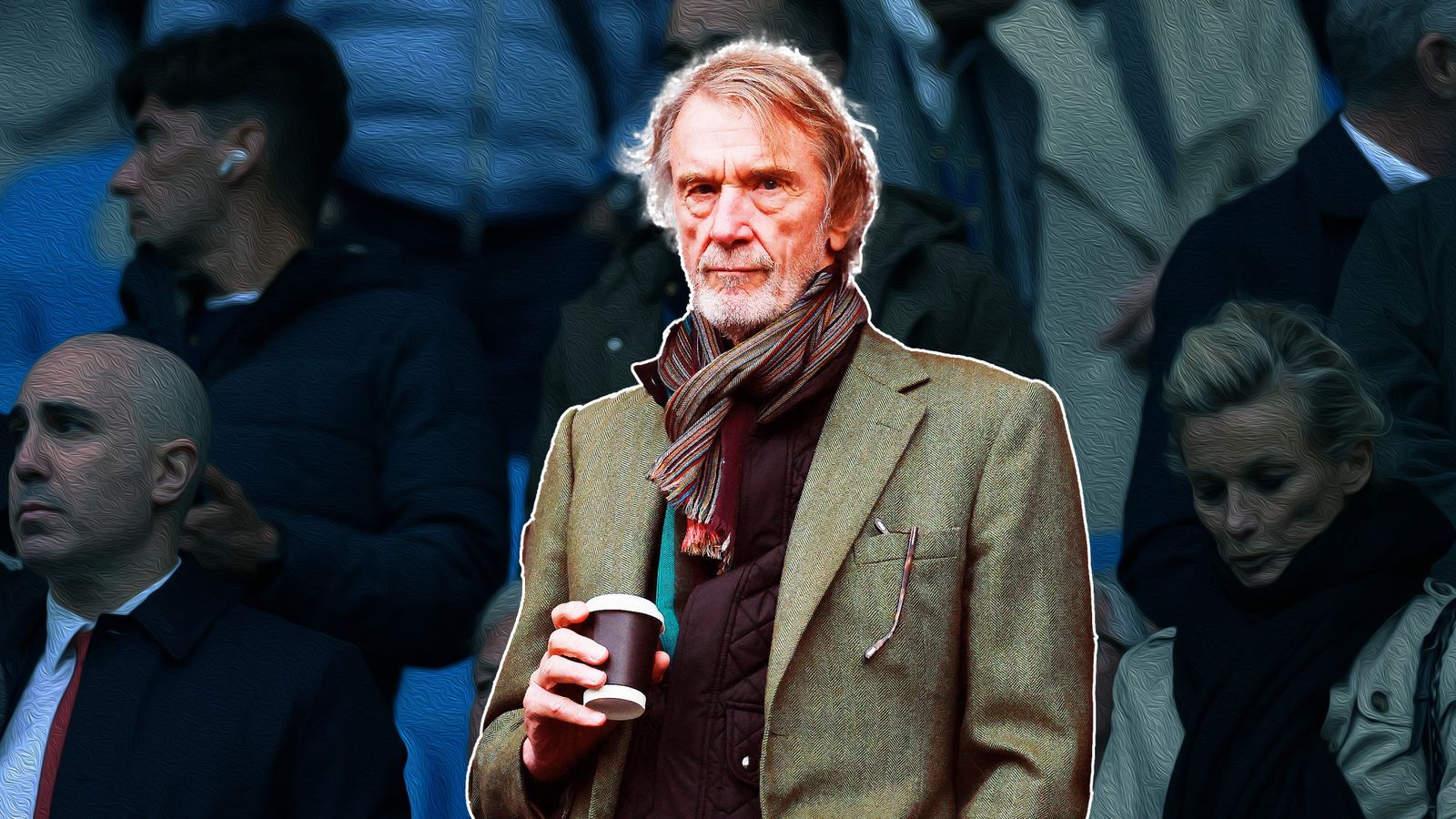
Sir Jim Ratcliffe has found himself at the eye of a political and social firestorm after making inflammatory remarks about immigration during an interview with Sky News. The 73-year-old billionaire, who serves as co-owner of Manchester United and ranks among Britain’s wealthiest individuals, told the broadcaster that Britain had been “colonised by immigrants” who are placing unsustainable demands on public services. These comments have sparked widespread condemnation across the political spectrum and beyond. Prime Minister Keir Starmer didn’t mince words in his response, describing Ratcliffe’s remarks as “offensive and wrong.” The backlash extended into the sporting world as well, with Kick It Out, football’s leading anti-discrimination organization, calling the statements “disgraceful and deeply divisive.” For a man who controls one of football’s most globally recognized brands, these comments have raised serious questions about his values and their compatibility with the inclusive ethos that modern football strives to promote.
From Chemical Engineer to Petrochemical Magnate
Behind the controversy stands a self-made billionaire whose journey to extraordinary wealth began far from the football pitch. Ratcliffe started his career as a chemical engineer before founding INEOS, a petrochemicals group that has grown into a global industrial powerhouse since its establishment in May 1998. What began as an entrepreneurial venture has transformed into a corporate empire spanning 154 sites across 27 countries, generating annual revenues exceeding £40 billion and providing employment to more than 24,500 people worldwide. The company’s influence extends beyond traditional industrial operations into the world of elite sports, where INEOS has established a presence not only in football but also in Formula 1 racing, professional cycling, and competitive sailing. This diversification into sports reflects Ratcliffe’s personal interests and business acumen, creating marketing opportunities and brand visibility that complement the company’s core industrial activities. His business success has been remarkable by any measure, though his recent wealth has experienced notable fluctuations that reflect both market conditions and his substantial investments in football.
A Fortune in Flux
According to the 2025 Sunday Times Rich List, Ratcliffe’s personal wealth stands at an estimated £17.05 billion, positioning him as Britain’s seventh-richest individual. However, this figure represents a dramatic decline of £6.5 billion from the previous year, illustrating the volatility that can affect even the largest fortunes. His financial trajectory has been anything but static in recent years. Back in 2018, Ratcliffe topped the UK-only rich list with an estimated personal wealth of £21.05 billion, marking what may prove to have been the peak of his financial standing. The recent contraction in his wealth could be attributed to various factors, including his substantial investment in Manchester United, market conditions affecting the petrochemical industry, and broader economic headwinds. Despite this decrease, his remaining fortune still places him among Britain’s financial elite and provides him with considerable influence in business, sports, and now, apparently, public discourse on immigration—though the latter is proving far more controversial than his business dealings ever were.
The Manchester United Chapter
For Ratcliffe, acquiring a stake in Manchester United represented the fulfillment of a lifelong dream as a devoted fan of the club. In February 2024, he completed a deal worth over £1 billion to purchase a 25% minority stake in the football club, crucially gaining control over the team’s football operations despite not holding a majority ownership position. This wasn’t his first attempt to break into English football’s elite; he had previously mounted an unsuccessful £4.25 billion bid to purchase Chelsea in 2022, ultimately losing out to a consortium led by American businessman Todd Boehly. Since taking the reins at Old Trafford, Ratcliffe has implemented a ruthless cost-cutting agenda that has generated its own share of controversy. His tenure has seen hundreds of jobs eliminated at the club, and he ended the longstanding policy of providing free meals to club staff—decisions that drew criticism for appearing penny-pinching at an institution of Manchester United’s stature and wealth. While supporters initially welcomed the prospect of a British billionaire who genuinely cared about the club taking control, these austere measures have tested that goodwill. Now, with his inflammatory immigration comments dominating headlines, the relationship between Ratcliffe and the Manchester United fanbase—which includes supporters from diverse backgrounds across the globe—faces its most serious test yet.
Mixed Results on the Balance Sheet and the Pitch
Ratcliffe’s stewardship of Manchester United has produced decidedly mixed results, with financial metrics improving even as on-field performance has reached historic lows. The club announced record revenues of £666.5 million for the 2024/25 season, representing a modest increase of 0.7% from the previous year, though this impressive top-line figure still resulted in an overall loss of £33 million. Breaking down these numbers reveals record commercial revenues of £333.3 million and record match day revenues of £160.3 million, suggesting the Manchester United brand remains commercially potent despite sporting struggles. Looking toward the future, the club unveiled ambitious plans for a new 100,000-seater stadium that would surpass even Wembley Stadium as Britain’s largest. This transformational project carries an estimated price tag of £2 billion but promises substantial economic benefits, potentially injecting billions into the UK economy while creating approximately 92,000 jobs and more than 17,000 new homes, according to club projections. However, these encouraging financial and infrastructural developments stand in stark contrast to the team’s dismal on-field performance. Last season’s 15th-place finish in the Premier League marked Manchester United’s lowest top-flight position in more than half a century—a historically poor showing that has frustrated supporters and raised questions about Ratcliffe’s footballing vision. Ruben Amorim, the first permanent managerial appointment made during Ratcliffe’s tenure, lasted just 14 months before being sacked in January 2026. Recent results under interim head coach Michael Carrick have shown improvement, with notable victories over rivals Manchester City and Arsenal sparking hopes of a top-five finish, but the overall impression remains one of a club struggling to find its identity and direction.
A History of Controversial Political Positions
Ratcliffe’s recent inflammatory comments about immigration didn’t emerge in a vacuum but rather represent the latest expression of views he has articulated for years. He was a prominent supporter of Brexit in 2016, backing the UK’s withdrawal from the European Union—though he subsequently chose to become a resident of tax-free Monaco, a decision that critics viewed as hypocritical given his nationalist rhetoric. Before the 2024 general election, he threw his support behind Keir Starmer and the Labour Party, but has since suggested the Prime Minister may be “too nice” for the job and has publicly expressed admiration for Nigel Farage, the right-wing populist politician. Immigration has featured in Ratcliffe’s public statements before; in May 2024, he told Sky News that immigration concerns represented “the biggest component” of the Brexit vote, arguing that “a small island like the UK can’t cope with vast numbers of people coming in” because it “overburdens the National Health Service, the traffic service, the police, everybody.” He claimed the country was designed for 55 to 60 million people but now houses 70 million, causing services to “break down as a consequence.” In his latest interview, he asserted that immigration had pushed the UK’s population from 58 million in 2020 to 70 million in 2026. However, according to the Office for National Statistics, the UK population was approximately 67 million in mid-2020 and reached 70 million in mid-2024, with the 58.9 million figure actually dating back to the year 2000—suggesting Ratcliffe’s grasp of the demographic data underlying his strong opinions may be somewhat shaky. Regardless of the accuracy of his figures, his choice of language—particularly the claim that Britain has been “colonised by immigrants”—has been widely condemned as inflammatory, divisive, and inappropriate, especially coming from someone in such a prominent position within a sport that celebrates diversity and has worked hard to combat racism and discrimination.