

The Hidden Dangers of Camden’s Counterfeit Fashion Trade
Camden: The Heart of Britain’s Fake Fashion Problem
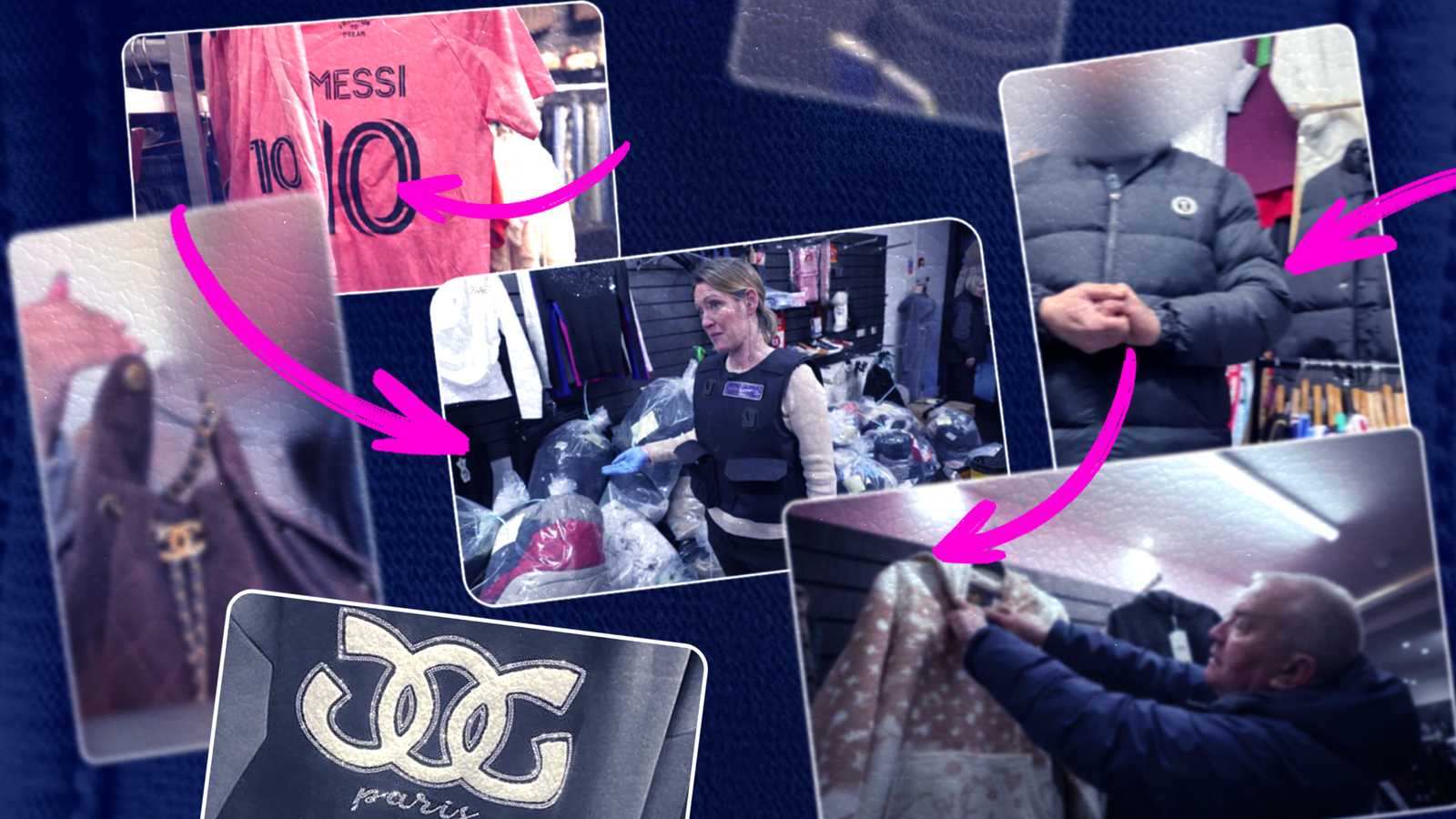
Camden, one of London’s most iconic neighborhoods, has earned an unwelcome reputation as the epicenter of counterfeit fashion in the United Kingdom. Over recent years, Trading Standards officers have been locked in an ongoing battle against the fake goods trade, conducting regular enforcement raids throughout the area. The scale of the problem is staggering – authorities have seized more than £26 million worth of counterfeit items from this single district alone. What makes Camden particularly notorious is how brazen the counterfeit trade has become. In an eye-opening investigation, reporters discovered just how easily accessible these illegal goods are. Within mere minutes of walking along a small section of Camden High Street, they were able to purchase an array of fake designer items: a Chanel handbag, a beanie supposedly from The North Face, a Ralph Lauren cap, and a Christian Dior jumper. The speed and ease with which these transactions took place demonstrates how normalized the counterfeit trade has become in certain parts of London, operating in plain sight despite ongoing enforcement efforts.
The Sophisticated Deception Behind Modern Counterfeits
The counterfeit trade has evolved far beyond crude knockoffs that are easy to spot. Today’s fake goods are sophisticated reproductions that sellers market with remarkable confidence. The vendor who sold the fake Christian Dior jumper didn’t hide what he was selling – instead, he proudly described it as a “proper copy” and a “genuine one-to-one,” industry terms that suggest an exact replica of the authentic product. What’s particularly concerning is how counterfeiters have adapted to include authentication features that might fool unsuspecting buyers. The fake Dior jumper came complete with a QR code sewn into a label inside the garment. When scanned, this code actually directed users to the legitimate Christian Dior website, creating a false sense of authenticity. The seller explained that this feature is now standard across his inventory, gesturing toward shelves stacked with fake merchandise. “They all have them,” he said confidently. “It’s why people like them.” This statement reveals a troubling truth: there’s a market of consumers who either don’t realize they’re being deceived or don’t care, as long as the fakes are convincing enough to pass casual inspection.
Expert Analysis: How Professionals Spot the Fakes
Steve Baker, an investigator who has spent years tracking and identifying counterfeit goods, was able to verify that all the purchased items were fake within minutes of examination. His expertise highlights the gap between what consumers might notice and what professionals can detect. While the average shopper might be fooled by surface-level details, trained eyes can quickly identify the telltale signs of counterfeit merchandise. According to Baker, the counterfeit trade has become both more lucrative and more challenging to combat in recent years, largely due to the role of social media. Traditional enforcement methods that worked when counterfeit goods were primarily sold in physical markets have become less effective as the trade has moved online. Social media platforms have provided counterfeiters with a low-cost, high-reach method of advertising their wares while remaining relatively anonymous. The digital marketplace has made it exponentially harder for normal enforcement teams to track down sellers, shut down operations, and hold individuals accountable for their illegal activities.
The Digital Marketplace: Where Counterfeiters Thrive
A significant portion of Steve Baker’s investigative work now involves tracking counterfeit goods online rather than in physical locations. The disturbing reality is that these illegal products are surprisingly easy to find if you know where to look. Using common platforms like Facebook, Baker demonstrates how simple searches using terms like “cheap designer gear” quickly reveal numerous vendors selling suspected counterfeit merchandise. During the investigation, Baker identified a seller offering what he believed to be fake children’s hoodies from The North Face. Even from photographs alone, he could point out multiple indicators that the items weren’t genuine. However, the most alarming discovery wasn’t about authenticity – it was about safety. The children’s hoodies, marketed for five to six-year-olds, featured long hood cords. As Baker explained, “That contravenes the hood cord regulations, because it’s a potential choking hazard. You’re potentially killing your kid buying that.” This revelation exposes a darker side of the counterfeit trade: these aren’t just fake products that fail to deliver promised quality, they’re potentially dangerous items that bypass all safety regulations and testing that legitimate manufacturers must follow.
The Transaction: A Case Study in Online Counterfeit Purchasing
To understand the full scope of the online counterfeit trade, the investigation team decided to make a purchase. They messaged a seller advertising children’s clothing, asking about the price of a blue The North Face kids’ hooded tracksuit. The response came within minutes: £25 plus postage – a fraction of what an authentic North Face tracksuit would cost. This alone should have been a warning sign, but for many consumers eager for a bargain, such prices are the primary appeal. As the transaction progressed, numerous red flags emerged. The seller’s profile was registered under a woman’s name, but the bank details provided for payment belonged to a man – a common tactic used to make transactions harder to trace. Additionally, the seller specifically requested that buyers include the reference “friend” in the payment. According to Baker, this is a deliberate strategy: “It’s because he’s doing this day in and day out, he’s thinking that the bank won’t pick it up if it’s with that reference.” The seller is essentially trying to disguise commercial transactions as personal exchanges between friends to avoid detection by banks’ fraud monitoring systems.
The Real Cost of Fake Fashion
The entire transaction highlighted the troubling reality of buying counterfeit goods online. Consumers are sending money to anonymous individuals with no way of knowing who actually receives the payment or where that money ultimately goes. There’s no customer protection, no guarantee of receiving anything at all, and absolutely no recourse if something goes wrong. As the investigator noted, “I find the whole thing quite frightening. We’re sending money to someone we don’t know, with no idea who they work for, or where the money is going to end up.” Baker’s response was equally sobering: “There’s also no guarantee it’s going to turn up.” In this particular case, the tracksuit did arrive two weeks later, but countless other buyers aren’t so fortunate. Beyond the immediate risks to individual consumers, the counterfeit trade has far-reaching consequences. These operations often have links to organized crime, with profits potentially funding other illegal activities. Legitimate businesses lose billions in revenue, which translates to job losses and reduced innovation. Governments lose tax revenue that could fund public services. And consumers, even when they receive their fake goods, may be exposing themselves and their families to products that haven’t undergone proper safety testing. The case of the children’s hoodies with dangerous hood cords is just one example of how counterfeit goods can pose real physical risks. The counterfeit trade thriving in places like Camden and across online platforms represents more than just a violation of intellectual property rights – it’s a complex problem with economic, safety, and criminal dimensions that affects society as a whole.