
Global Shipping’s War Insurance Problem
The Growing Crisis in Maritime Security
The global shipping industry is facing an unprecedented crisis as war risk insurance premiums have skyrocketed and coverage has become increasingly difficult to obtain. This situation has emerged as a direct consequence of escalating geopolitical tensions, armed conflicts in critical maritime regions, and targeted attacks on commercial vessels navigating international waters. Ships traversing routes near conflict zones such as the Red Sea, the Black Sea, and parts of the Middle East are now considered high-risk ventures by insurance underwriters, leading to dramatic increases in costs that ultimately affect global trade and consumer prices worldwide. The traditional insurance model that has sustained international shipping for centuries is being fundamentally challenged by the volatile security environment of our modern age. Shipowners, operators, and the companies that rely on maritime trade are grappling with premiums that have multiplied by factors of ten or even twenty in some regions, transforming what was once a manageable cost of doing business into a potentially prohibitive expense that threatens to reshape global supply chains.
The implications extend far beyond the shipping industry itself. When insurance costs surge for vessels carrying goods across the world’s oceans, those expenses inevitably filter down through the supply chain, affecting manufacturers, retailers, and ultimately consumers. Essential commodities like grain, oil, manufactured goods, and raw materials all travel by sea, and any disruption to this system creates ripples throughout the global economy. Small and medium-sized shipping companies are particularly vulnerable, as they may lack the financial reserves to absorb these sudden cost increases, potentially forcing them out of business or causing them to abandon certain routes entirely. This consolidation of shipping services into the hands of only the largest operators could reduce competition and further drive up costs for everyone who depends on maritime transport.
Understanding War Risk Insurance and How It Works
War risk insurance is a specialized form of marine insurance that covers losses resulting from acts of war, civil unrest, piracy, terrorism, strikes, riots, and other hostile actions that standard marine insurance policies explicitly exclude. While traditional hull and cargo insurance covers accidents, weather-related damage, and operational mishaps, it specifically excludes damage caused by warlike operations or politically motivated violence. This creates a gap that war risk insurance is designed to fill, providing shipowners and cargo interests with protection when their vessels venture into dangerous waters where conventional risks are compounded by human conflict and aggression.
Historically, war risk insurance was relatively affordable and straightforward to obtain because actual incidents were rare and confined to specific, well-defined conflict zones that most commercial shipping could simply avoid. Insurance underwriters could accurately assess risks based on historical data and price their premiums accordingly. However, the contemporary security landscape has become far more complex and unpredictable. Conflicts no longer remain neatly contained within borders, and asymmetric warfare tactics—including drone attacks, missile strikes, and sophisticated piracy operations—can emerge with little warning in areas previously considered safe. The Red Sea, once a routine transit corridor connecting Europe and Asia via the Suez Canal, has become particularly dangerous due to attacks by various militant groups on commercial shipping. Similarly, the Black Sea region has seen unprecedented risks following the outbreak of conflict in Ukraine, with vessels attacked, ports blockaded, and safe passage no longer guaranteed.
Insurance underwriters must now reassess risk calculations almost continuously as situations evolve rapidly. What might be a safe passage one week could become a war zone the next. This uncertainty makes it extremely difficult for insurers to price policies accurately, leading many to either withdraw from the market entirely or charge premiums so high that they account for worst-case scenarios. The London insurance market, which has historically been the center of marine war risk insurance, has seen dramatic changes in both appetite for risk and pricing structures. Some underwriters have created dynamic pricing models that adjust premiums based on near-real-time intelligence, while others have simply designated entire regions as uninsurable or requiring case-by-case evaluation that can take days or weeks—time that commercial shipping operations often cannot afford.
The Economic Impact on Global Trade and Supply Chains
The financial burden of elevated war risk insurance has created a cascade of economic consequences that affect virtually every sector of the global economy. When a shipping company faces insurance premiums that have increased from perhaps $50,000 to $500,000 for a single voyage through a high-risk area, difficult decisions must be made. Some operators absorb these costs, reducing their profit margins and potentially their ability to invest in fleet maintenance and modernization. Others pass the costs along to their customers—the importers and exporters who rely on shipping services—who in turn must either accept reduced profitability or increase prices for their own customers. Still others choose to reroute vessels around danger zones, adding thousands of miles and many days to journey times, which increases fuel costs, crew expenses, and opportunity costs while reducing the efficiency of global supply chains.
The rerouting phenomenon has become particularly significant for ships that would normally transit the Suez Canal. When the Red Sea becomes too dangerous or expensive to navigate, vessels must instead travel around the Cape of Good Hope at the southern tip of Africa, adding approximately 3,500 nautical miles and roughly ten days to the journey between Asia and Europe. This longer route requires more fuel, more time at sea, more crew provisions, and more wear on vessels and equipment. For time-sensitive cargo or perishable goods, this extended transit may be completely unacceptable, forcing shippers to seek air freight alternatives at exponentially higher costs or to source products from different, closer suppliers. For bulk commodities, the additional costs contribute to price volatility in global markets, affecting everything from the cost of bread (which depends on grain shipments) to gasoline prices (influenced by crude oil transport costs).
Furthermore, the uncertainty surrounding insurance availability creates planning difficulties for businesses throughout supply chains. Companies that operate on just-in-time inventory principles need reliable delivery schedules to function efficiently. When shipping becomes unpredictable—with vessels potentially delayed while securing insurance coverage, rerouted mid-journey due to emerging threats, or even attacked despite insurance—these carefully calibrated systems break down. Manufacturers may need to maintain larger inventories as buffers against disruption, tying up capital and warehouse space. Retailers may face stockouts of popular items or unexpected gluts of products that arrive all at once after delayed shipments finally complete their journeys. These inefficiencies represent dead weight losses to the global economy, value destroyed without any corresponding benefit created elsewhere.
Regional Hotspots and Specific Challenges
Different regions of the world present distinct challenges that contribute to the war insurance crisis in unique ways. The Red Sea and Gulf of Aden corridor, which handles roughly 12% of global trade and serves as the critical link to the Suez Canal, has seen attacks on commercial vessels by various groups operating in Yemen and the surrounding region. These attacks have included missiles, drones, and attempted boardings of ships, creating an environment where insurers cannot reliably predict which vessels might be targeted or when attacks might occur. The strategic importance of this waterway makes avoiding it entirely impractical for much of global trade, yet the risks have become severe enough that insurance markets have struggled to provide affordable coverage.
The Black Sea presents an entirely different challenge, where an active interstate conflict has created zones of naval warfare, mine deployment, and port infrastructure damage. Grain shipments from Ukraine, which supplies a significant portion of the world’s wheat and corn, have been severely disrupted by the inability to safely navigate to and from Ukrainian ports. Insurance markets have responded with astronomical premiums or outright refusal to cover vessels heading to certain ports, effectively creating an economic blockade that compounds the humanitarian and economic impacts of the conflict. International agreements to create safe shipping corridors have provided some relief, but the insurance industry remains cautious, knowing that agreements can collapse suddenly and that vessels in these corridors remain vulnerable to attack.
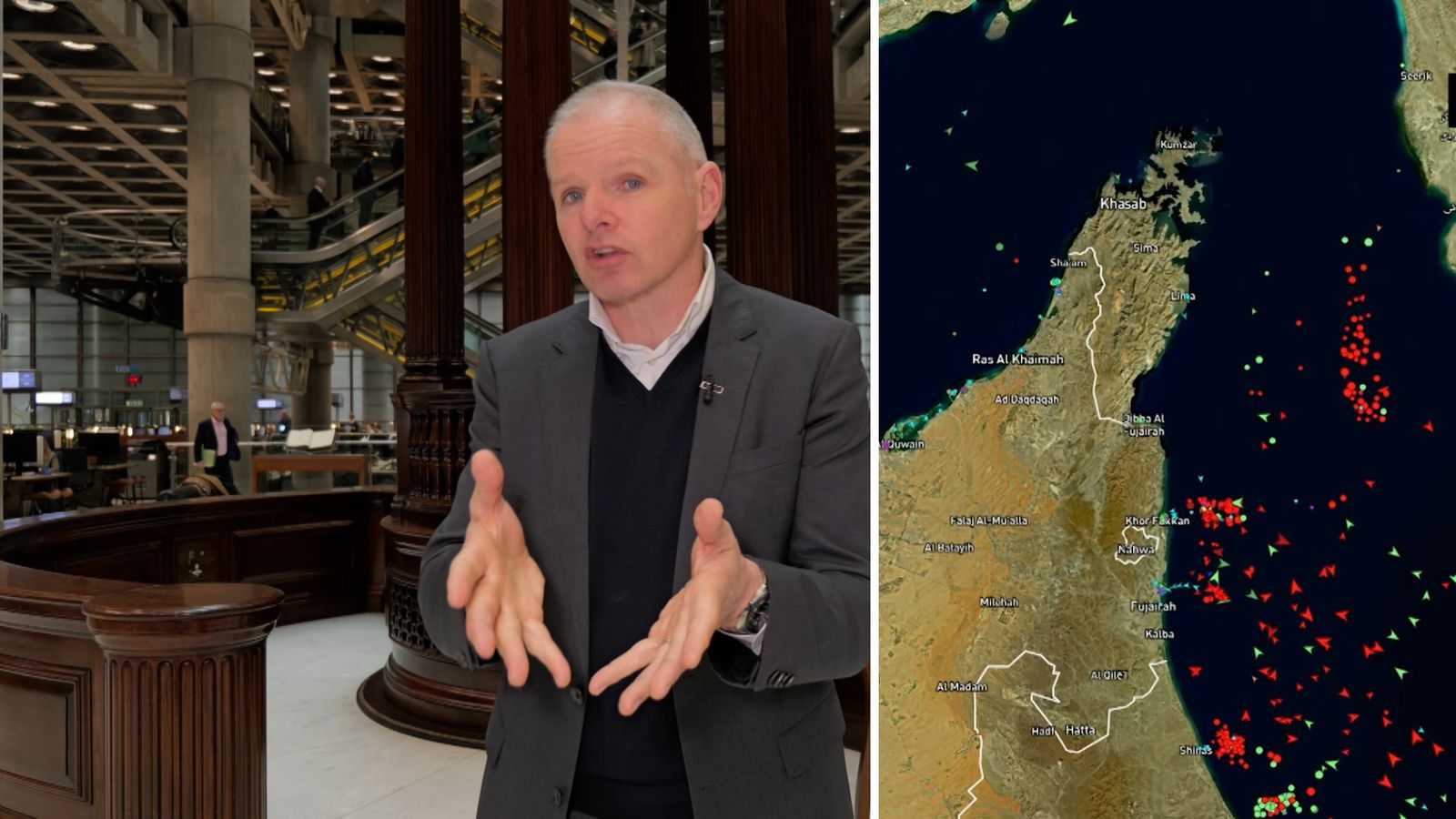
The Strait of Hormuz, through which roughly one-fifth of global oil consumption passes, represents another critical vulnerability. Periodic tensions and threats to close or restrict passage through this narrow waterway create insurance market volatility even when actual attacks are limited. The strategic importance of this chokepoint means that even threats or heightened rhetoric can trigger insurance premium spikes, as underwriters factor in the catastrophic economic consequences should a major disruption occur. Similarly, piracy in waters off West Africa, though different in character from the geopolitical conflicts affecting other regions, contributes to the overall sense that maritime security has deteriorated globally, making insurers more conservative across the board.
The Response from Governments and International Organizations
Recognizing that the war insurance crisis threatens global economic stability and the free flow of commerce upon which the international order depends, governments and international organizations have begun exploring various intervention mechanisms. Some nations with significant maritime interests have discussed creating state-backed insurance schemes that would provide coverage when commercial markets fail or become prohibitively expensive. These proposals draw on historical precedents from previous major conflicts when governments stepped in to ensure that essential shipping could continue despite wartime risks. However, implementing such schemes in the current fragmented geopolitical environment presents significant challenges, as there is no global consensus on how risks should be shared or which shipping deserves government support.
Naval escort operations represent another governmental response, with various nations deploying warships to protect commercial vessels transiting high-risk areas. These operations can somewhat reduce insurance premiums by demonstrably lowering the risk of successful attacks on protected vessels. However, naval resources are limited, and navies cannot escort every commercial ship through every dangerous waterway. Prioritization decisions must be made about which vessels receive protection, potentially creating competitive advantages for shipping from nations with powerful navies or strong diplomatic relationships with protecting powers. There are also questions about the long-term sustainability of these operations and whether they represent the most efficient use of military resources.
International maritime organizations have increased efforts to share intelligence about threats and to establish communication protocols that can provide ships with up-to-date information about evolving dangers. These information-sharing mechanisms help both ship operators and insurers make more informed decisions about routing and risk assessment. However, the fundamental problem remains that commercial shipping by its nature must transit international waters, and no amount of information sharing can eliminate risks created by determined hostile actors with access to increasingly sophisticated weapons. Ultimately, sustainable solutions to the insurance crisis require either improvement in the underlying security environment or development of insurance mechanisms that can function reliably despite continued instability.
Looking Ahead: The Future of Maritime Insurance and Global Shipping
The war insurance crisis confronting global shipping represents more than a temporary disruption; it signals a potential fundamental restructuring of how maritime commerce operates in an age of persistent global instability. Insurance markets are unlikely to return to pre-crisis pricing and availability unless the security situation in critical maritime regions improves substantially and sustainably—an outcome that seems uncertain given current geopolitical trajectories. This means that higher shipping costs driven by insurance expenses may become a permanent feature of the global economy, contributing to inflation and potentially encouraging reshoring or nearshoring of manufacturing to reduce dependence on long-distance maritime supply chains.
Technological innovations may offer partial solutions to the insurance challenge. Autonomous vessels, though still largely experimental, could eventually reduce risks to human crews and potentially lower insurance costs by removing the human casualty element from underwriting calculations. Enhanced vessel defenses, including improved detection systems, electronic countermeasures, and physical protection features, might reduce vulnerability to attacks and thereby reduce premiums. Blockchain and smart contract technologies could create more dynamic, responsive insurance arrangements that adjust coverage and premiums based on real-time risk assessments rather than requiring lengthy negotiation processes. However, none of these technological solutions address the root cause—the deterioration of maritime security—and may simply represent adaptations to a permanently more dangerous operating environment.
The long-term outlook for global shipping depends significantly on whether the international community can reestablish effective norms and mechanisms for protecting freedom of navigation and holding accountable those who attack commercial vessels in international waters. Without such efforts, the current insurance crisis may worsen, potentially forcing significant changes in global trade patterns, supply chain structures, and economic relationships that have developed over decades of relatively stable maritime commerce. The ships that carry the goods we depend on daily continue to sail, but they now venture into waters more dangerous and uncertain than at any time in recent history, insured at costs that remind us that global commerce ultimately depends on global security.