
Inflation Unchanged But What About the War?
The Current State of Inflation and Economic Uncertainty
In recent months, inflation rates have shown signs of stabilization, remaining relatively unchanged from previous quarters. While this might initially seem like good news for consumers and policymakers alike, the economic landscape remains far from predictable. Central banks and financial institutions have been cautiously optimistic, noting that their aggressive interest rate hikes and monetary tightening measures may finally be bearing fruit. However, beneath this apparent stability lies a complex web of geopolitical tensions, ongoing military conflicts, and supply chain disruptions that threaten to unravel the fragile economic equilibrium we’ve managed to achieve. The persistent question on everyone’s mind is whether this plateau in inflation is a genuine turning point or merely the calm before another economic storm, particularly as global conflicts continue to rage with no clear resolution in sight.
The relationship between warfare and inflation has historically been well-documented, with military conflicts often serving as catalysts for economic volatility. In our current situation, multiple regional conflicts and the ever-present threat of escalation create an environment of unprecedented uncertainty. Economists and analysts are walking a tightrope, trying to balance cautious optimism about inflation figures with the very real possibility that geopolitical events could trigger another wave of price increases. Energy markets remain particularly vulnerable, as do essential commodity supplies, both of which are heavily influenced by the stability of regions currently experiencing conflict. The question isn’t just whether inflation will remain steady, but whether the relative peace in price levels can withstand the pressures of ongoing military operations, sanctions, counter-sanctions, and the massive fiscal expenditures that modern warfare demands.
How Military Conflicts Influence Global Price Stability
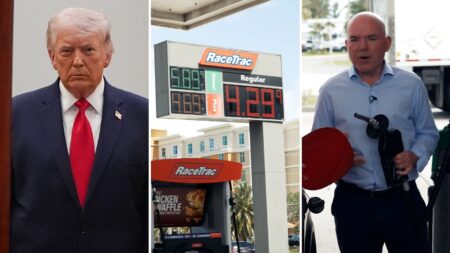
Wars have always had profound economic implications that extend far beyond the immediate battlefields. When nations engage in armed conflict, the economic ripples are felt worldwide, affecting everything from the price of bread in local bakeries to the cost of filling up your car with gas. The current geopolitical tensions have already demonstrated this interconnectedness in dramatic fashion. Energy prices, which had surged to unprecedented levels, have now somewhat stabilized, but this stability feels precarious at best. Oil and natural gas markets remain sensitive to any news from conflict zones, with traders ready to react to the slightest hint of supply disruption. The same applies to agricultural commodities, as several regions involved in or adjacent to current conflicts are major producers of wheat, corn, and other essential food staples.
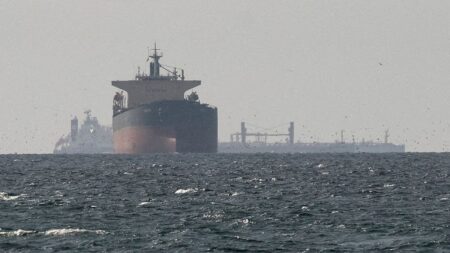
Beyond the direct impact on commodity prices, warfare affects inflation through several indirect channels. Military spending diverts resources from productive economic activities, and governments often resort to deficit spending to finance their military operations, potentially flooding markets with currency and stoking inflationary pressures. Labor markets also feel the strain as workers are recruited into armed forces or displaced by conflict, reducing productive capacity while simultaneously increasing demand for goods and services needed to support military operations. Supply chains, already fragile from pandemic-era disruptions, face additional challenges when shipping routes become dangerous or inaccessible, when production facilities are destroyed or repurposed, and when international trade relationships deteriorate due to sanctions and political tensions. Manufacturing sectors struggle with uncertainty, making businesses hesitant to invest or expand, which can lead to supply constraints that push prices higher even when demand remains stable.
The Interconnected Web of Energy, Food, and Financial Markets
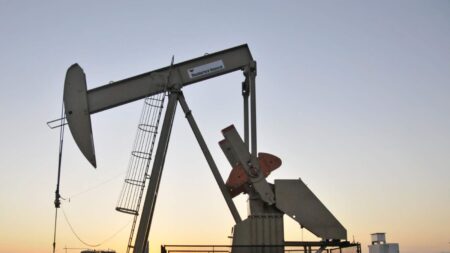
Perhaps no sector illustrates the war-inflation connection better than energy markets. The global economy runs on energy, and any disruption to oil, natural gas, or coal supplies sends shockwaves through every other sector. Current conflicts have put significant pressure on traditional energy supply routes and partnerships, forcing nations to scramble for alternative sources, often at premium prices. While we’ve seen some stabilization recently, this has come at the cost of massive economic reorganization, with countries investing billions in new infrastructure, establishing new trade relationships, and subsidizing energy costs for consumers to prevent social unrest. These subsidies mask the true inflation picture, essentially deferring the pain rather than eliminating it, and they come with their own long-term economic consequences as governments accumulate debt.
Food security represents another critical concern where warfare and inflation intersect dramatically. Several major grain-producing regions are either directly involved in conflicts or affected by them, disrupting planting, harvesting, and export activities. This has created genuine food security concerns in vulnerable nations while contributing to price pressures in wealthier countries that can afford to pay more to secure supplies. The situation has been somewhat mitigated by diplomatic efforts to establish humanitarian corridors and maintain essential exports, but these arrangements remain fragile and subject to the ever-changing dynamics of military and political developments. Financial markets, meanwhile, have been in a state of nervous equilibrium, with investors struggling to price in the competing forces of central bank tightening, economic slowdown concerns, and the unpredictable nature of ongoing conflicts. Currency fluctuations have added another layer of complexity, as nations affected by war see their currencies weaken, importing inflation even if domestic conditions might otherwise support price stability.
The Human Cost Behind the Economic Statistics
While economists and policymakers focus on inflation rates, interest rates, and GDP growth figures, it’s essential to remember that behind these statistics are real people facing real hardships. Families are struggling to make ends meet as the cumulative effect of years of elevated inflation has eroded purchasing power, even if month-to-month changes have moderated. The “unchanged” inflation rate still means prices remain at elevated levels compared to just a few years ago, and for many households, wages haven’t kept pace with this cumulative increase. People are making difficult choices, cutting back on essentials, depleting savings, and taking on debt just to maintain their standard of living. The stress and anxiety of economic uncertainty, compounded by news of distant conflicts that could suddenly impact their daily lives, takes a psychological toll that doesn’t appear in any economic indicator.
For those living in or near conflict zones, the situation is incomparably more dire. Hyperinflation often takes hold in war-torn regions as local currencies collapse, supply chains completely break down, and basic necessities become scarce. Refugees fleeing violence bring nothing with them and arrive in new communities where they must start from scratch, often competing for limited resources and employment opportunities. Even in countries not directly involved in fighting, the second and third-order effects create hardship. Industries dependent on now-disrupted supply chains lay off workers. Small businesses, operating on thin margins, can’t absorb increased costs and are forced to close. Entire communities built around specific industries face uncertain futures when geopolitical realignments shift trade patterns and economic relationships that have existed for decades.
Policy Responses and the Path Forward
Governments and central banks find themselves in an extraordinarily difficult position, attempting to navigate between competing priorities with limited and imperfect tools. On one hand, there’s pressure to continue fighting inflation through monetary tightening, keeping interest rates elevated to prevent price increases from accelerating again. On the other hand, there’s growing concern about tipping economies into recession, particularly as war-related uncertainties already weigh on business confidence and investment. Some economists argue for maintaining restrictive policies until there’s clear evidence that inflation is truly under control, while others worry that excessive tightening could create unnecessary economic pain and that geopolitical factors beyond monetary policy’s control may be more important in determining future inflation paths.
Fiscal policy faces similar dilemmas, complicated by the enormous expenses associated with military support, humanitarian assistance, and economic restructuring forced by conflict-related disruptions. Many governments are simultaneously trying to support their defense industries, subsidize energy costs for consumers, provide assistance to affected industries, and maintain social safety nets, all while dealing with elevated debt levels accumulated during the pandemic. The challenge is finding a sustainable balance that addresses immediate needs without creating longer-term economic vulnerabilities. International cooperation has become both more important and more difficult, as geopolitical tensions strain relationships even as economic interdependence demands coordinated responses to shared challenges. Some progress has been made through international organizations and diplomatic channels, but the fundamental reality remains that warfare creates winners and losers, and those with conflicting interests struggle to find common ground.
Looking Ahead: Cautious Optimism or Looming Crisis?
As we look to the future, the interaction between inflation trends and ongoing conflicts will likely remain the dominant economic story for the foreseeable future. The best-case scenario involves gradual de-escalation of military tensions, reconstruction of supply chains, and continued moderation of price pressures, allowing central banks to eventually reduce interest rates and support economic growth without reigniting inflation. However, numerous scenarios could derail this optimistic path. An escalation or expansion of current conflicts, the opening of new fronts, or the failure of diplomatic efforts could trigger fresh energy and commodity price spikes. Alternatively, the cumulative effect of high interest rates might trigger financial instability or a deeper economic downturn than anticipated, creating its own set of problems even if inflation moderates.
What seems certain is that the neat separation between economic policy and geopolitical strategy that characterized much of the post-Cold War era has definitively ended. Economic planners must now account for security considerations, and security planners must understand economic implications in ways that seemed less urgent just a few years ago. For individuals and families, this means continuing to navigate an uncertain environment where yesterday’s assumptions may not hold tomorrow. Building resilience through diversification, maintaining emergency funds where possible, and staying informed about both economic and geopolitical developments has never been more important. While the unchanged inflation numbers might offer a momentary sense of relief, the question “what about the war?” reminds us that stability remains fragile and that vigilance, flexibility, and preparedness remain essential virtues in our interconnected and uncertain world.