
Will a Potential Iran War Affect Your Mortgage and Bills? Understanding the Economic Impact on Your Household
The Connection Between Global Conflict and Your Wallet
When tensions escalate in the Middle East, particularly involving Iran, many homeowners and everyday citizens rightfully wonder how distant geopolitical events might ripple through to their personal finances. The connection between potential military conflict with Iran and your monthly mortgage payments or utility bills might not seem immediately obvious, but the global economy is deeply interconnected in ways that can quickly translate international instability into local financial pressure. Understanding these connections is crucial for anyone trying to budget, plan for the future, or simply make sense of why their cost of living might suddenly spike during periods of international tension.
A conflict involving Iran would likely trigger a complex chain of economic reactions that could affect everything from the interest rates that determine your mortgage payment to the price you pay for gasoline and heating your home. Iran sits at a critical crossroads in global energy markets, controlling strategic waterways through which a significant portion of the world’s oil supply travels. Any disruption to this flow, whether through direct military action, sanctions, or retaliatory measures, would send shockwaves through commodity markets worldwide. These shocks don’t stay confined to oil traders and international corporations—they eventually find their way into the monthly budgets of ordinary families trying to pay their bills and keep their homes.
How Mortgage Rates Could Be Affected by Iran-Related Tensions
Your mortgage payment, whether you’re shopping for a new home or managing an existing loan, is intimately connected to broader economic conditions that would be significantly impacted by a war with Iran. Mortgage interest rates are influenced by multiple factors, including inflation expectations, Federal Reserve policy, and overall economic uncertainty—all of which would be thrown into turmoil by a major Middle Eastern conflict. When geopolitical tensions rise, investors typically flee to safer assets like U.S. Treasury bonds, which can actually push mortgage rates down in the short term as bond yields fall. However, this initial movement could be quickly reversed if the conflict triggers persistent inflation or forces central banks to maintain higher interest rates for longer periods.
For homeowners with adjustable-rate mortgages, the impact could be more immediate and potentially more painful. These mortgages are tied to benchmark rates that can shift based on economic conditions, and a prolonged conflict that destabilizes global markets could lead to rate increases that directly translate into higher monthly payments. Even those with fixed-rate mortgages aren’t entirely insulated—while their interest rate remains constant, the overall cost of homeownership includes property taxes, insurance, and maintenance, all of which could increase as inflation driven by energy price spikes works through the economy. Additionally, homeowners hoping to refinance or tap into home equity might find less favorable terms in a high-uncertainty environment, as lenders typically tighten their standards and increase rates to compensate for perceived risk when economic outlooks darken.
The housing market itself could experience significant volatility during and after a conflict with Iran. Economic uncertainty tends to freeze both buyers and sellers, reducing transaction volumes and potentially impacting home values in either direction depending on local market conditions. For some homeowners, this could mean difficulty selling their property or accessing the equity they’ve built up. For prospective buyers, a conflict-induced economic slowdown might create opportunities through lower prices, but these would likely come alongside stricter lending requirements and higher interest rates that could offset any savings from reduced home prices.
The Direct Impact on Your Monthly Bills and Cost of Living
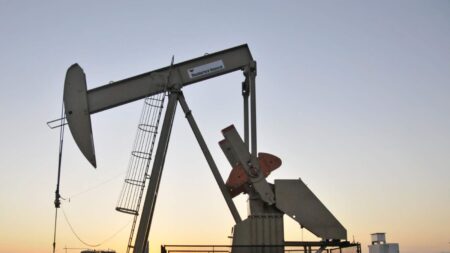
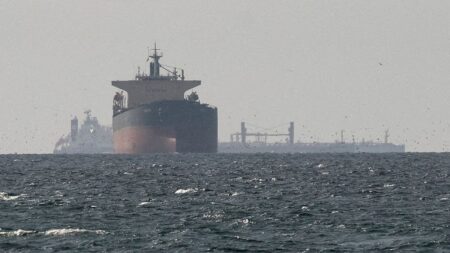
Beyond your mortgage, a war with Iran would almost certainly affect your regular monthly bills in ways that could strain household budgets significantly. The most immediate and noticeable impact would likely be on energy costs—both for transportation and home heating and cooling. Iran is one of the world’s largest oil producers, and any conflict that disrupts its production or threatens the Strait of Hormuz, through which approximately one-fifth of the world’s petroleum passes, would cause oil prices to spike dramatically. This translates directly into higher gasoline prices at the pump, increasing your transportation costs whether you’re commuting to work, running errands, or planning family trips.
Heating and electricity bills would also likely climb as energy markets react to supply disruptions. Natural gas prices tend to move in correlation with oil prices, so homeowners who heat with gas would see their winter heating bills increase. Even those who rely on electric heating aren’t immune, as many power plants use natural gas to generate electricity, and these fuel cost increases are passed along to consumers through their utility bills. In regions where electricity generation depends heavily on oil, the impact would be even more direct and potentially more severe. For families already struggling with the cost of living, even a 20-30% increase in energy bills could force difficult choices between heating their homes adequately and other essential expenses.
The ripple effects extend well beyond direct energy costs. Higher transportation fuel costs increase the price of virtually everything that needs to be moved—which is nearly everything we buy. Groceries become more expensive as the cost of getting them from farms to processing facilities to stores increases. Consumer goods cost more as shipping and logistics expenses rise. Even services become pricier as businesses face higher costs for their operations and pass these along to customers. This broad-based inflation can be particularly insidious because it affects every aspect of your budget simultaneously, making it difficult to compensate by cutting back in one area. For households living paycheck to paycheck, these cumulative increases across multiple budget categories can quickly become unsustainable, forcing reliance on credit cards or emergency savings that many families simply don’t have.
The Broader Economic Context: Jobs, Wages, and Financial Stability
The impact of an Iran conflict on your ability to pay your mortgage and bills isn’t limited to the cost side of the equation—it could also affect your income and job security. Major geopolitical conflicts create economic uncertainty that causes businesses to pull back on investment, delay hiring, and in some cases, implement layoffs. Companies facing higher energy costs and supply chain disruptions while simultaneously dealing with uncertain consumer demand often respond by cutting their most flexible cost: labor. While some sectors like defense and certain energy industries might see expansion, many more would face headwinds that could translate into a weaker job market overall.
For workers, this could mean fewer opportunities for advancement, smaller raises, or in worst-case scenarios, job loss. When you’re worried about keeping your job, the fixed obligations of a mortgage payment and monthly bills become even more stressful. The psychological burden of economic uncertainty can be as impactful as actual financial hardship, causing people to pull back on spending even before they’re directly affected, which further slows the economy in a self-fulfilling cycle. The Federal Reserve’s response to conflict-driven inflation could compound these employment concerns—if the central bank feels compelled to raise or maintain high interest rates to combat rising prices, this could slow economic growth and further weaken the job market.
Additionally, financial markets typically react negatively to major geopolitical conflicts, which could affect your retirement savings, investment accounts, and overall financial security. While these aren’t monthly bills in the traditional sense, watching your 401(k) balance decline or your investment portfolio shrink adds to the overall sense of financial vulnerability and can impact long-term planning. For those approaching retirement, a major market disruption could force difficult decisions about delaying retirement or adjusting expectations for their post-work lifestyle. The interconnected nature of modern finances means that instability in one area—whether it’s global oil markets or stock prices—tends to spread throughout your entire financial picture.
Historical Precedents: What Past Conflicts Tell Us
Looking at historical precedents can provide some guidance on what to expect if conflict with Iran materializes. Past Middle Eastern conflicts, from the Gulf Wars to the various oil embargoes, have consistently demonstrated that energy price shocks are virtually inevitable when major oil-producing regions become conflict zones. During the 1979 Iranian Revolution and subsequent Iran-Iraq War, oil prices more than doubled, contributing to severe economic stagflation in Western economies—a combination of high inflation and economic stagnation that proved extremely difficult for policymakers to address and painful for ordinary citizens managing household budgets.
More recently, temporary tensions with Iran, such as the 2019-2020 period following the U.S. withdrawal from the nuclear agreement and various military confrontations, showed how quickly oil markets can react to Middle Eastern instability. Even without full-scale war, prices spiked on multiple occasions simply based on the threat of supply disruptions. These episodes were relatively short-lived, but they demonstrate the hair-trigger sensitivity of energy markets to Iranian-related tensions. A sustained conflict would likely produce more severe and longer-lasting effects than these brief price spikes, potentially triggering the kind of persistent inflation that takes years to bring under control and fundamentally alters the cost structure of the economy.
However, it’s also worth noting that the U.S. economy and global energy markets have changed significantly since previous major Middle Eastern conflicts. The rise of U.S. shale oil production has made America far less dependent on Middle Eastern oil than during past crises, potentially dampening the domestic impact of supply disruptions. Global oil markets are also more diverse, with significant production from non-Middle Eastern sources. That said, oil is a global commodity, and price impacts would still be felt domestically even if physical supply to the U.S. remained adequate. The key difference might be in the degree and duration of impact rather than whether impact occurs at all.
Preparing Your Household: Practical Steps for Financial Resilience
Given the genuine possibility that an Iran conflict could affect your mortgage and bills, taking practical steps to build financial resilience makes sense regardless of whether conflict actually materializes. Start by reviewing your budget to identify areas where you have flexibility to cut back if energy or other costs spike suddenly. Building or replenishing an emergency fund, even if you can only set aside small amounts, provides a crucial buffer against unexpected expenses or income disruptions. Financial experts typically recommend three to six months of expenses in emergency savings, though even a more modest fund covering one month’s essential bills can make a significant difference in your ability to weather short-term economic shocks.
For mortgage holders, this might be a good time to review your loan terms and consider whether refinancing to lock in a fixed rate makes sense if you currently have an adjustable-rate mortgage, though you’ll want to weigh closing costs against potential benefits. Look for ways to reduce energy consumption in your home—improving insulation, using programmable thermostats, and maintaining heating and cooling systems efficiently can reduce your vulnerability to energy price spikes. Consider transportation alternatives that could reduce your gasoline consumption if prices surge, whether that’s carpooling, using public transit when possible, or consolidating errands to reduce unnecessary driving.
From a broader financial planning perspective, maintaining diversification in investments, avoiding taking on new debt during periods of heightened geopolitical uncertainty, and staying informed about economic conditions can help you make better decisions for your specific situation. Remember that while global events can certainly impact your finances, many factors affecting mortgages and bills are more directly within your control or influenced by local and national economic conditions. Staying flexible, informed, and financially prudent provides the best protection against whatever economic challenges may arise, whether from international conflicts or other sources of economic disruption. The goal isn’t to panic or make dramatic changes based on hypothetical scenarios, but rather to build the kind of financial resilience that serves you well in any economic environment.