
How Middle East Conflict Could Hit UK Drivers’ Wallets
The Warning Signs at the Petrol Pump
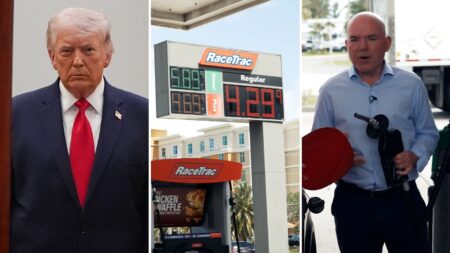
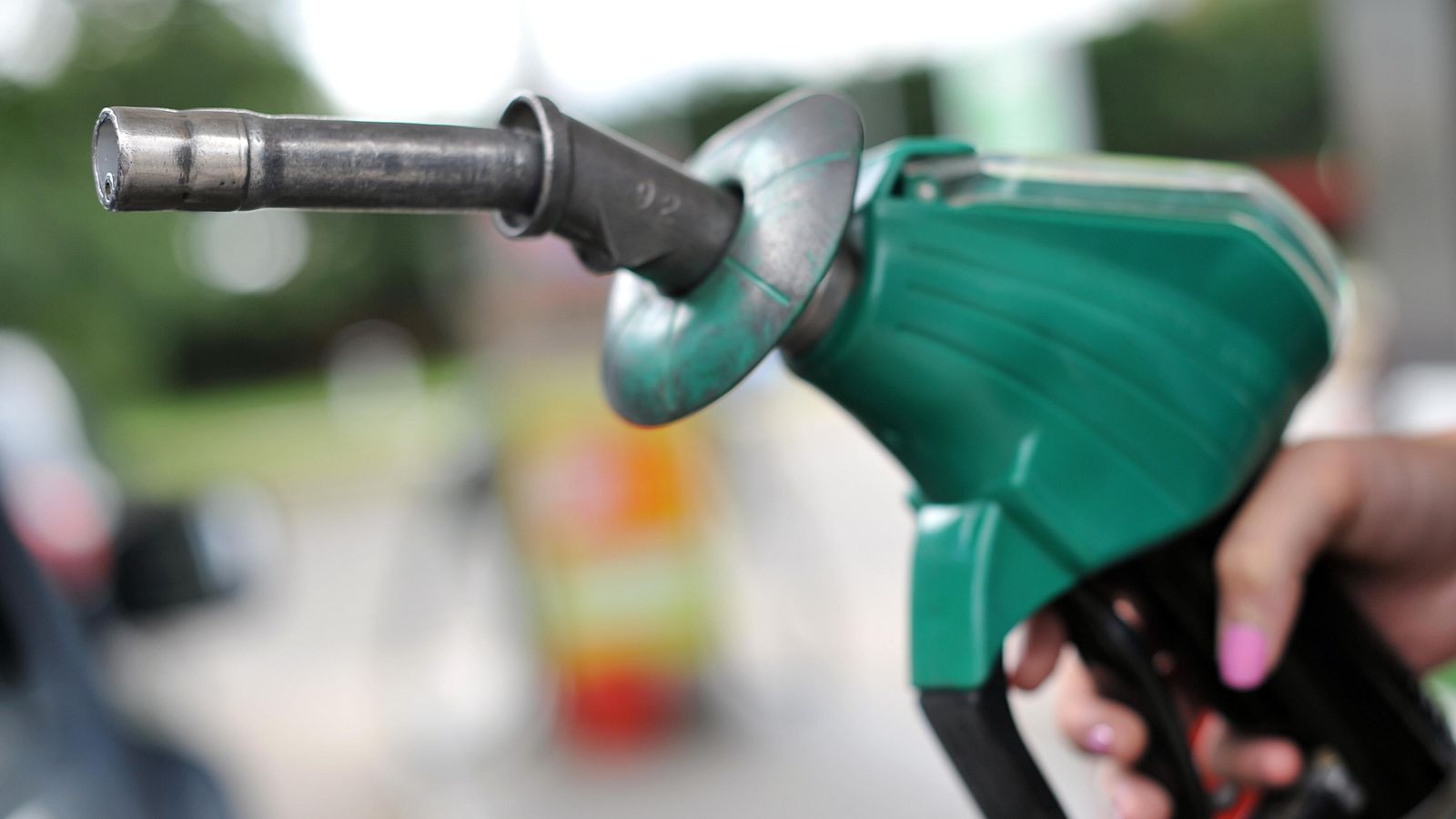
British motorists are facing a potential financial squeeze as fresh tensions in the Middle East send shockwaves through global oil markets. Experts are sounding the alarm that the recent escalation of conflict could soon translate into noticeably higher prices when drivers pull up to fuel stations across the UK. The ripple effects of geopolitical instability thousands of miles away are set to reach into the pockets of everyday consumers, with the petrol pump serving as the most immediate and visible indicator of these economic pressures. What happens in the oil-rich Middle East doesn’t stay in the Middle East – it travels directly to Britain’s forecourts, affecting millions of people who depend on their vehicles for daily commuting, family transportation, and business operations. The concern isn’t just about a few extra pence per litre; it’s about the broader economic impact that higher fuel costs can trigger throughout the entire British economy, from the price of groceries to public transportation fares.
Understanding the Numbers Behind the Price Spike
The mathematics of the current situation paint a concerning picture for UK consumers. Just before the recent US-Israel strikes on Iran, oil was trading at a relatively modest price of below $70 per barrel (approximately £52 in British currency). However, following the military action on Monday, that figure jumped sharply to $78 per barrel (around £58). This represents a significant increase in a very short timeframe, and many economic analysts believe this is just the beginning of a potential upward trend. The real worry among experts is that if the Middle Eastern situation continues to deteriorate or becomes prolonged, crude oil prices could climb all the way to $100 per barrel (£74). Such a price point would represent a substantial increase from the pre-conflict levels and would inevitably mean considerably higher costs for British drivers. The speed of this change has been remarkable – oil prices surged by approximately 9% since Sunday night alone, demonstrating just how sensitive global energy markets are to geopolitical instability. What makes this particularly challenging for consumers is the uncertainty; nobody can predict exactly how long the conflict will last or how much further prices might climb, leaving families and businesses unable to budget effectively for their fuel expenses in the coming weeks and months.
The Journey from Barrel to Pump
For those wondering when they might feel the pinch at their local petrol station, the timeline is surprisingly specific. According to the RAC, one of Britain’s leading motoring organizations, increases in crude oil prices typically take approximately two weeks to work their way through the supply chain and appear at fuel pumps across the country. This means that even if oil prices stabilized tomorrow, British drivers would still experience rising costs at the forecourt for at least another fortnight as the recent increases filter through. The pricing mechanism for petrol and diesel in the UK is influenced by several factors, with wholesale crude oil prices being the most significant. However, it’s not quite as simple as a direct conversion from barrel price to pump price. The exchange rate between the British pound and the US dollar plays a crucial role because crude oil is traded globally in US dollars. When the pound is strong against the dollar, it offers British consumers some protection against rising oil prices, as UK fuel retailers can purchase oil more cheaply in dollar terms. Conversely, a weak pound amplifies the impact of oil price increases. This means that British consumers face a double vulnerability – not only are they exposed to rising oil prices, but also to currency fluctuations that can either cushion or compound those increases.
Why the Middle East Matters So Much
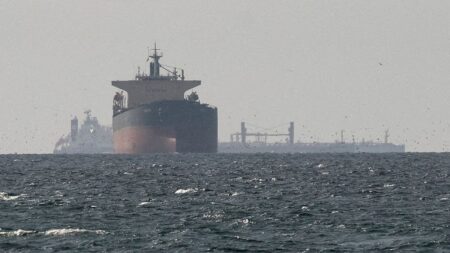
To understand why events in the Middle East have such a dramatic and immediate impact on British fuel prices, one must appreciate the region’s absolutely critical role in global oil production and distribution. The Middle East isn’t just an important oil-producing region – it’s the most important oil-producing region on the planet. At the heart of this strategic significance is the Strait of Hormuz, a relatively narrow waterway on Iran’s southern border that serves as one of the world’s most crucial trading routes. This 100-mile channel might not sound particularly impressive in terms of distance, but it facilitates the movement of an astonishing one-fifth of the world’s entire oil trade – that’s approximately 21 million barrels passing through every single day. The strait serves as a vital connection point, linking the Persian Gulf to the Gulf of Oman, and from there to the Arabian Sea and the wider Indian Ocean, effectively connecting Middle Eastern oil producers to global markets. The nightmare scenario that keeps energy analysts awake at night is the possibility of this waterway becoming blocked or severely disrupted due to military conflict. If the Strait of Hormuz were to be closed, even temporarily, the impact on global oil prices would be immediate and dramatic, creating shortages and panic that would drive prices to levels not seen in years.
Expert Perspectives on the Economic Impact
Energy and shipping experts are offering somewhat mixed views on what British consumers should expect in the coming weeks. Jorge Leon, representing Rystad Energy, an energy intelligence firm that closely monitors global oil markets, doesn’t mince words about the potential consequences. He warns that any blockage of the Strait of Hormuz would have direct and immediate effects on British motorists, creating what he describes as a dual-layer economic problem. The primary effect would be the obvious one – higher prices when filling up at the petrol station and increased electricity bills as energy costs rise across the board. However, Leon points out that there’s also a secondary wave of consequences that could prove equally troubling for household budgets. As fuel prices rise, the cost of transporting goods increases, which inevitably gets passed on to consumers through higher prices for everything from food to clothing. This creates an inflationary pressure that makes the overall cost of living more expensive, potentially triggering a broader economic slowdown as consumers cut back on spending.
On a somewhat more optimistic note, John Stawpert from the International Chamber of Shipping, which represents ship owners and operators globally, suggests that the shipping industry has demonstrated remarkable resilience and adaptability in facing such crises. He emphasizes that while the current situation represents a significant shock to the system and causes legitimate concern, particularly regarding reported attacks on vessels in the region, the crucial infrastructure remains operational. The straits haven’t been closed, and trade continues to flow, albeit with heightened anxiety and increased costs. Stawpert’s assessment is that unless there’s a major deterioration in the security situation in the region, the impact on global trade and by extension on British consumers should remain minimal. The shipping industry, he argues, has centuries of experience in navigating around conflicts, finding alternative routes, and maintaining supply chains even in challenging circumstances. However, he acknowledges that this relatively positive outlook depends entirely on the conflict not escalating further – a condition that remains uncertain given the volatile nature of Middle Eastern geopolitics and the unpredictability of military confrontations.