


Tensions Flare in the Arabian Sea: U.S. Forces Down Iranian Drone Near Aircraft Carrier
A Dramatic Confrontation in International Waters
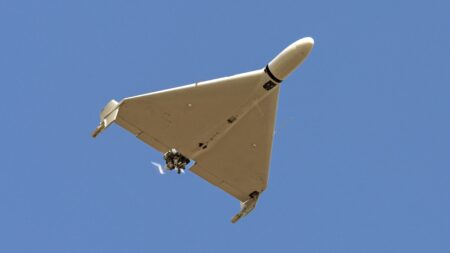
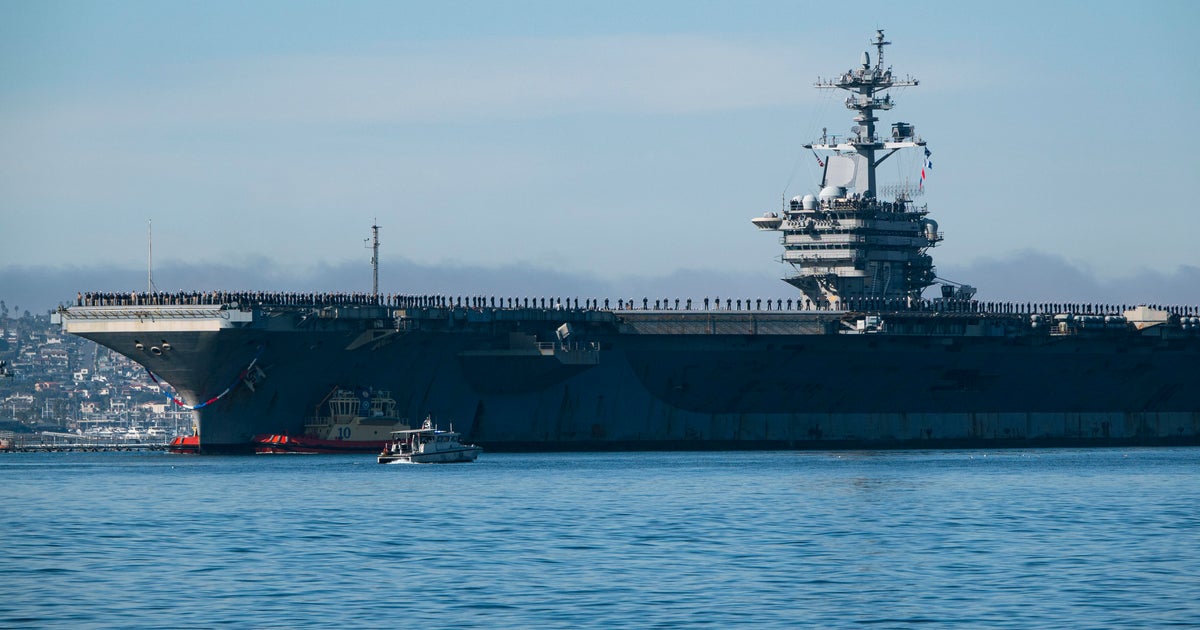
In a tense encounter that highlights the fragile state of U.S.-Iran relations, American forces were compelled to shoot down an Iranian drone on Tuesday after it flew dangerously close to the USS Abraham Lincoln, a U.S. Navy aircraft carrier operating in the Arabian Sea. According to U.S. Central Command, the incident occurred approximately 500 miles from Iran’s southern coastline, well within international waters where American naval vessels have every right to operate. The drone in question was identified as a Shahed-139, an Iranian-manufactured unmanned aerial vehicle that military officials described as approaching the carrier in an “aggressive” manner. Despite repeated attempts by U.S. forces to de-escalate the situation through standard protocols and warnings, the drone continued its threatening approach toward the massive warship. The situation ultimately required defensive action, with an F-35 fighter jet engaging and destroying the drone before it could pose any actual danger to the carrier or its crew. Fortunately, U.S. Central Command spokesman Captain Tim Hawkins confirmed that no American service members were injured during the incident, and the carrier continued its mission unimpeded after the threat was neutralized.
Iranian Revolutionary Guards Escalate Tensions with Commercial Vessel Harassment
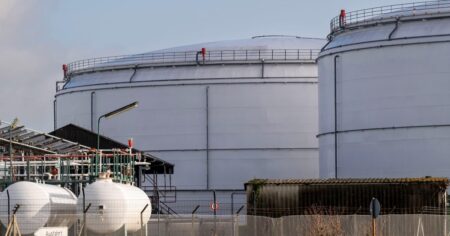
The drama didn’t end with the downed drone. Just hours after the aerial confrontation, forces belonging to Iran’s Islamic Revolutionary Guard Corps (IRGC) engaged in what American officials characterized as harassment of a U.S.-flagged commercial oil tanker. The Stena Imperative, a vessel with an American crew, was navigating through the strategically vital Strait of Hormuz when two Iranian military boats and another Iranian drone approached at high speeds in an intimidating display. According to Captain Hawkins, the Iranian forces threatened to board and seize the commercial tanker, a move that would have constituted an act of piracy under international maritime law. The situation required immediate American military response, with the USS McCaul, a guided-missile destroyer that happened to be operating in the vicinity, quickly moving to intercept and escort the threatened commercial vessel. The destroyer was supported by U.S. Air Force assets providing air cover, creating a protective umbrella around the tanker as it continued its lawful passage through one of the world’s most important oil shipping chokepoints. This incident underscores the ongoing risks that commercial shipping faces in the region and the continuing need for American naval presence to protect freedom of navigation in international waters.
Strong Words and Clear Red Lines from U.S. Military Command
In response to these provocative actions by Iranian forces, U.S. Central Command issued a strongly worded statement making clear that such behavior would not be tolerated going forward. Captain Hawkins emphasized that CENTCOM forces are “operating at the highest levels of professionalism and ensuring the safety of U.S. personnel, ships, and aircraft in the Middle East,” drawing a stark contrast between American conduct and what he characterized as Iranian aggression. The statement specifically warned that “continued Iranian harassment and threats in international waters and airspace will not be tolerated,” sending an unambiguous message to Tehran about the potential consequences of further provocations. Military officials stressed that Iran’s “unnecessary aggression near U.S. forces, regional partners and commercial vessels increases risks of collision, miscalculation, and regional destabilization” – a diplomatic way of saying that such reckless behavior could easily spiral into unintended conflict. The language used in the statement reflects a careful balance between projecting strength and resolve while leaving diplomatic channels open, a tightrope the U.S. military has walked many times in this volatile region. The emphasis on professionalism and the safety of personnel and assets makes clear that while American forces won’t seek confrontation, they are fully prepared to defend themselves and their interests if challenged.
The “Massive Armada” and Strategic Military Positioning
The recent incidents occur against the backdrop of a significant buildup of American military assets in the region, which President Trump himself characterized as a “massive armada” being deployed to waters near Iran. Speaking to reporters, the president explained that the enhanced military presence was being sent to the Middle East “just in case,” a somewhat vague formulation that nonetheless conveys readiness for potential military action. This deployment represents a substantial show of force designed to demonstrate American capability and resolve, while also positioning assets for rapid response should the situation deteriorate further. The military buildup comes as the Trump administration closely monitors Iran’s internal situation and its response to massive protests that erupted late last year, which saw Iranian authorities engage in a brutal crackdown. Intelligence estimates suggest that thousands of protesters may have been killed by security forces during the suppression of the demonstrations, though precise figures are difficult to verify given the closed nature of Iranian society. According to Defense Department officials who spoke to CBS News, President Trump received a comprehensive briefing on various military options and covert tools that could potentially be employed against Iran if diplomatic efforts fail. The range of options reportedly presented to the president illustrates the seriousness with which the administration is approaching the Iranian challenge and its willingness to consider forceful responses if necessary.
Allied Concerns and the Push for Diplomatic Solutions
Despite the military posturing and the very real tensions in the Arabian Sea and Strait of Hormuz, there are significant voices urging restraint and advocating for diplomatic engagement rather than military confrontation. Regional officials have told CBS News that U.S. allies in the Middle East are actively working to discourage President Trump from ordering strikes against Iran, fearing that such action could destabilize the entire region and trigger a wider conflict with unpredictable consequences. These allied nations, many of which have their own complicated relationships with Iran, are instead working behind the scenes to broker diplomatic talks between Washington and Tehran. Their efforts reflect a recognition that while Iran’s behavior is often provocative and destabilizing, a military conflict would likely be far more damaging to regional security and economic interests than the current state of heightened tensions. The concern among America’s Middle Eastern partners is particularly acute given the region’s already fragile state, with ongoing conflicts, sectarian tensions, and economic challenges creating a powder keg environment where a U.S.-Iran war could have cascading effects across multiple countries. These allies understand that they would inevitably be drawn into any major conflict between the United States and Iran, either as direct participants or as collateral damage, making their advocacy for diplomatic solutions both strategically wise and personally urgent.
Trump’s Direct Engagement and Clear Demands
Perhaps most intriguingly, President Trump revealed last week that he has been engaged in direct conversations with Iranian officials and plans to continue these discussions, suggesting that behind the military maneuvering and tough rhetoric, channels of communication remain open between the two adversaries. The president outlined his core demands in characteristically blunt terms: “I told them two things: No. 1, no nuclear. And No. 2, stop killing protesters.” These two issues – Iran’s nuclear ambitions and its brutal suppression of internal dissent – represent the fundamental American concerns about the Islamic Republic’s behavior. Trump’s comment that “they’re going to have to do something” carries both the promise of potential engagement if Iran meets these conditions and the implicit threat of consequences if it doesn’t. This approach reflects the administration’s broader strategy of maximum pressure combined with selective engagement, using military presence and economic sanctions to create leverage while leaving the door open for negotiations. Whether this strategy will successfully compel Iranian behavioral changes or instead push the two nations closer to conflict remains one of the most critical questions in international relations today. What’s clear from the recent incidents in the Arabian Sea is that both sides are testing boundaries and sending signals, engaging in a dangerous dance that requires careful management to prevent miscalculation and unintended escalation into a conflict neither side may actually want but both seem prepared to wage if necessary.