



Ethiopia Mourns as Devastating Landslides Claim 80 Lives in Southern Region
A Nation United in Grief
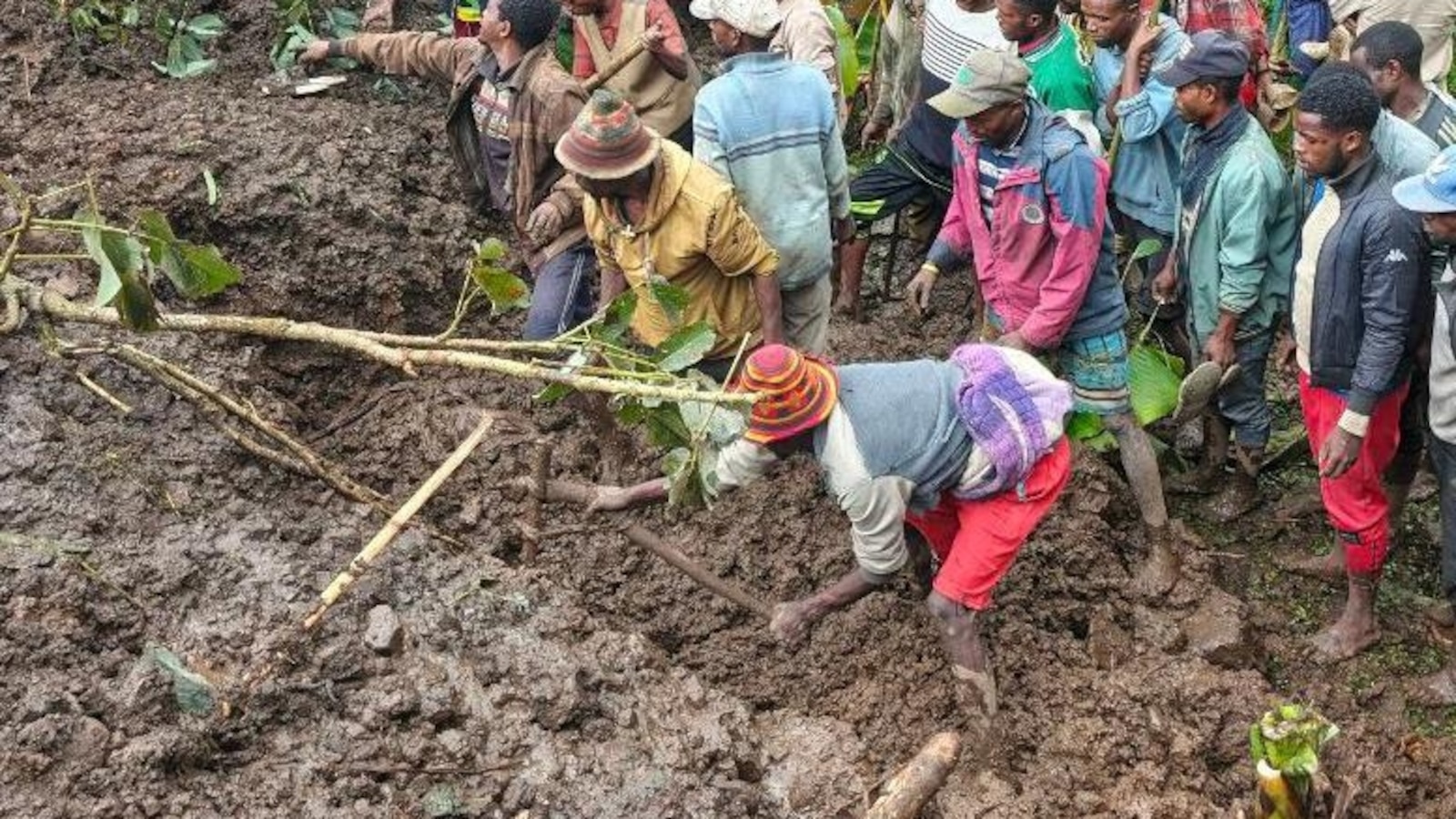
Ethiopia finds itself wrapped in sorrow as government officials announced a three-day period of national mourning following catastrophic landslides that have claimed at least 80 lives in the country’s southern region. Speaker of the House of Peoples’ Representatives Tagesse Chafo made the solemn announcement that the mourning period would commence on Saturday, giving the nation time to collectively grieve for those lost in this heartbreaking natural disaster. The tragedy, which struck the Gamo Zone area earlier this week, has sent shockwaves throughout the country, bringing communities together in their shared loss while highlighting the devastating power of nature and the vulnerability of people living in mountainous regions during intense rainfall. The landslides, triggered by relentless heavy rains that have been battering the area, buried homes and swept away lives in moments, leaving families shattered and entire communities struggling to comprehend the magnitude of what has happened.
Desperate Search Amid Continuing Danger
The situation on the ground remains precarious and heartbreaking as rescue teams work tirelessly to locate survivors and recover the bodies of victims from beneath tons of mud and debris. Since the first landslide struck on Tuesday, search and recovery operations have been ongoing, but the efforts have been significantly complicated by the same weather conditions that caused the disaster in the first place—heavy rain continues to pound the already devastated area, creating dangerous conditions for rescue workers and raising fears of additional landslides. Regional government communications head Hailemariam Tesfaye has confirmed that authorities have intensified their search for the remaining victims, though many people are still reported missing. The continuous rainfall has turned the landscape into a treacherous terrain of unstable soil and flowing mud, making every step potentially dangerous for those brave souls working to bring closure to grieving families. The race against time continues as rescuers know that each passing hour reduces the chances of finding survivors, yet they persist, driven by hope and the desperate pleas of families waiting for news of their loved ones.
Thousands Displaced, Lives Shattered
Beyond the immediate death toll, the human cost of this disaster extends far into the community, affecting thousands who have lost their homes, their livelihoods, and their sense of security. According to the Ethiopian Human Rights Commission, an estimated 3,461 people have been displaced by the landslides, suddenly finding themselves without shelter, possessions, or a place to call home. These displaced individuals now face an uncertain future, many having lost everything they owned in a matter of minutes when the mountainside gave way. Families who have lived in these areas for generations now find themselves in temporary shelters, dependent on aid and support while trying to process the trauma of what they’ve experienced. Children have been separated from parents, elderly residents have lost the homes they spent lifetimes building, and entire neighborhoods have essentially ceased to exist. The psychological impact of such sudden and complete displacement will likely affect these communities for years to come, as people struggle to rebuild not just their physical homes but their sense of safety and normalcy in a world that suddenly seems far more dangerous and unpredictable than they had ever imagined.
Government and Community Response
In response to this overwhelming crisis, Ethiopian authorities at both federal and regional levels have mobilized to provide assistance and coordinate relief efforts. The Government Communication Service announced on Thursday that the government is actively mobilizing resources while working in close coordination with regional authorities to ensure that aid reaches those who need it most effectively and efficiently. What has been particularly heartening in the midst of this tragedy is the outpouring of support from ordinary Ethiopian citizens and business organizations throughout the country. Donations have been flowing steadily into a special fund established by the regional government specifically to provide relief items—food, water, shelter materials, medical supplies, and other essentials—to those affected by the disaster. This collective response demonstrates the resilience and solidarity of Ethiopian society, with people from all walks of life contributing what they can to help their fellow citizens in their darkest hour. Local volunteers have joined professional rescue teams, businesses have donated supplies and equipment, and individuals have opened their homes to displaced families, showing that even in tragedy, the human spirit of compassion and community shines through.
A Regional Crisis Unfolding
Ethiopia’s tragedy is not occurring in isolation but is part of a broader pattern of extreme weather affecting the entire East African region, raising concerns about climate patterns and the vulnerability of communities across multiple countries. In neighboring Kenya, the situation is equally dire, with the death toll from flash floods that struck on Saturday climbing to 62, adding to the regional sense of emergency and shared suffering. The heavy rains that have caused such devastation are expected to continue, as the region is currently in the midst of its rainy season, which typically brings increased precipitation but rarely with such catastrophic consequences. Governments across East Africa have issued urgent warnings to residents, urging them to exercise extreme caution, avoid flood-prone areas, stay away from riverbanks, and remain alert for signs of potential landslides in mountainous regions. The situation underscores the interconnected nature of climate and weather systems in the region and the need for coordinated regional approaches to disaster preparedness and response, as what affects one country often has implications for its neighbors.
Looking Ahead: Preparing for More Rain
The immediate crisis is far from over, and forecasters are warning that more challenges lie ahead for Ethiopia and the broader East African region. According to the IGAD Climate Prediction and Applications Centre, which released its assessment last month, the March-April-May rainy season carries a 45% probability of above-average rainfall across most countries in the region, including Uganda, Rwanda, Burundi, Tanzania, Kenya, Ethiopia, South Sudan, Northern Somalia, and Djibouti. This forecast means that communities already devastated by landslides and floods may face additional threats in the coming weeks, and regions that have so far been spared may yet experience their own disasters. The prediction has prompted urgent calls for improved disaster preparedness, early warning systems, and community education about the risks of landslides and floods. Authorities are working to identify other high-risk areas where preventive evacuations might be necessary, while also grappling with the challenge of providing for those already displaced and mourning those already lost. The situation serves as a stark reminder of the increasing impact of climate variability and the need for long-term strategies to protect vulnerable communities, improve infrastructure resilience, and develop effective response mechanisms. As Ethiopia prepares to observe its three days of mourning, the nation faces both backward toward grief and loss, and forward toward the continued challenges that the rainy season may bring, determined to support affected communities while working to prevent future tragedies of this magnitude.