


Rising Health Insurance Costs Leave Millions of Americans Struggling to Maintain Coverage
Growing Numbers Can’t Afford Their Premiums
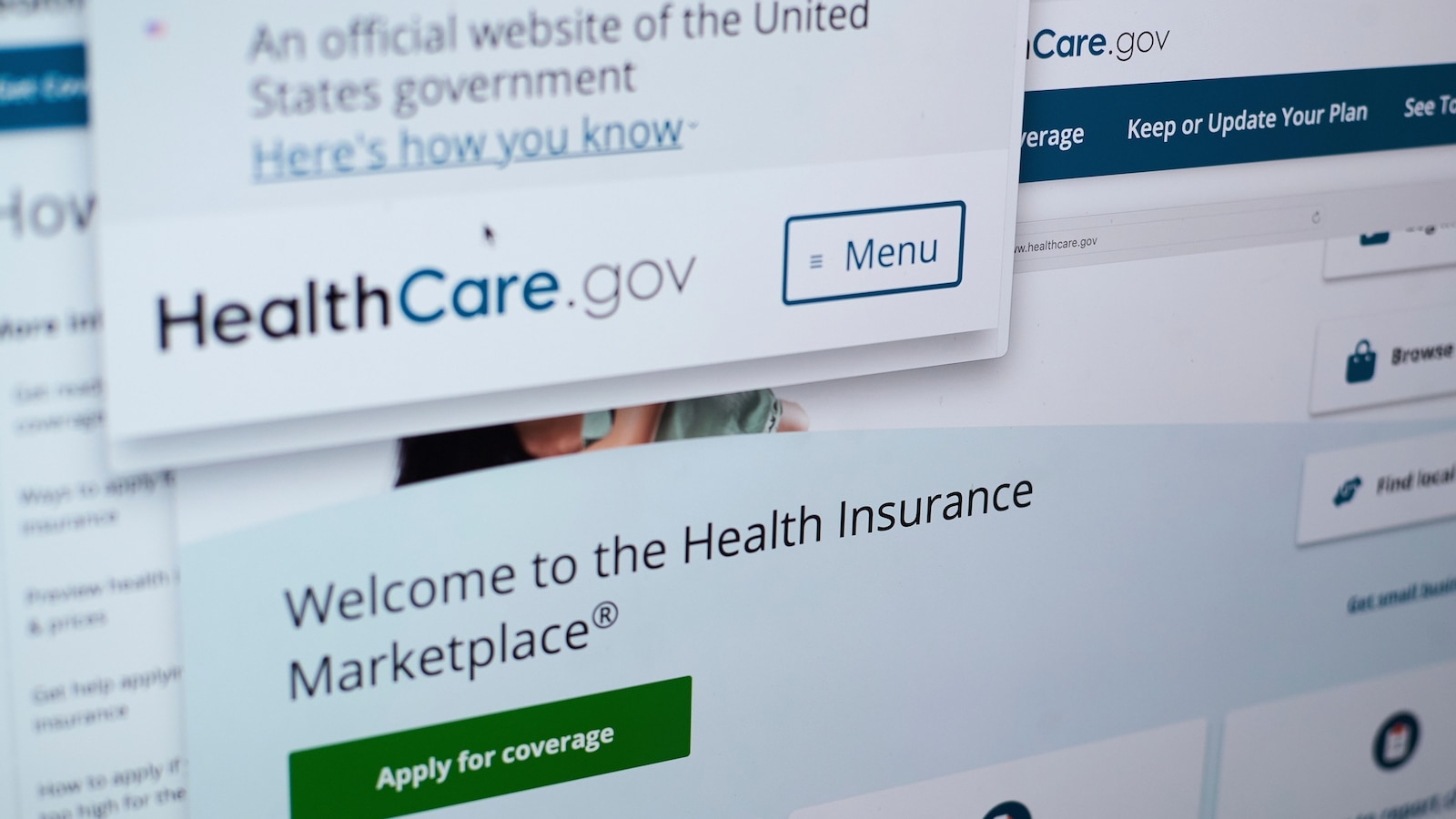
A troubling new trend has emerged in American healthcare: more than one in ten people who signed up for health insurance through the Affordable Care Act didn’t pay their premiums at the start of the year. According to research from Wakely Consulting Group, an actuarial firm that tracks healthcare trends, approximately 14% of enrollees failed to make their first premium payment in January. This data came from analyzing enrollment and payment records from insurance companies participating in the individual marketplace in 2025 and early 2026, representing about 80% of all Americans who buy health insurance on their own rather than getting it through an employer or government program like Medicare or Medicaid. These aren’t small numbers we’re talking about—millions of Americans who thought they had secured health coverage may now find themselves without insurance, potentially facing devastating financial consequences if they get sick or injured.
The Real-World Impact of Unpaid Premiums
When people don’t pay their health insurance premiums, they don’t just lose a piece of paper confirming coverage—they lose access to healthcare that could keep them healthy and out of financial ruin. Public health officials are sounding the alarm about what happens when insurance policies lapse: people stop going to the doctor for preventive care, skip routine checkups that could catch serious problems early, and avoid filling prescriptions that manage chronic conditions. The consequence? More people show up at emergency rooms when health problems become critical, which is the most expensive way to receive care. This doesn’t just hurt the uninsured individuals—it puts additional strain on an already overwhelmed healthcare system, driving up costs for everyone. Emergency rooms are legally required to treat people regardless of their ability to pay, but those costs get passed along to hospitals, taxpayers, and people with insurance through higher premiums. It’s a vicious cycle where financial pressures lead people to drop coverage, which creates more financial pressures throughout the system.
People Are Scrambling for Cheaper Plans
The research also revealed another telling sign of financial stress: people are desperately trying to cut costs by switching to cheaper insurance plans with less coverage. The data showed what researchers call “extensive buy downs,” meaning enrollees are moving from higher-tier plans with better coverage to lower-tier plans with cheaper monthly premiums but higher out-of-pocket costs when they actually need care. Bronze plan enrollment—the cheapest tier with the least coverage—jumped by 11%, while Silver plan enrollment dropped by 17%. Interestingly, in states where Gold plans (typically more expensive) somehow ended up costing less than Silver plans due to quirks in how subsidies were calculated, Gold plan membership actually increased by 6%. This shopping behavior tells us something important: people aren’t necessarily choosing plans based on what coverage they need; they’re choosing based on what they can afford right now, even if it means they’ll face crushing medical bills later when they actually need healthcare.
The Subsidy Debate That’s Causing the Crisis
So why are so many people suddenly unable to afford their health insurance? The answer lies in a political battle over something called enhanced premium tax credits, or ACA subsidies. These subsidies are basically government assistance that helps lower or eliminate monthly premium costs for people who buy insurance through the health insurance marketplace. Whether you qualify and how much help you get depends on things like your household income and where you live. These subsidies have been part of the Affordable Care Act since President Obama’s administration created them, but during the COVID-19 pandemic, both the amount of financial assistance and the number of people who qualified were significantly increased to help Americans through the economic crisis. The majority of people buying insurance through the ACA marketplace were receiving these enhanced credits, and many were getting insurance for very low monthly costs—sometimes even free. When these pandemic-era enhancements expired, people suddenly found themselves facing dramatically higher premiums that many simply couldn’t afford.
The Political Stalemate That Left Millions Hanging
The fight over extending these enhanced subsidies became a major political flashpoint during the longest government shutdown in U.S. history last fall. Republicans argued that the pandemic-era expansions had gone too far and were too expensive, while Democrats warned that letting the subsidies expire would be catastrophic for millions of American families. During October and November negotiations to end the shutdown, Republicans tried to get Democrats to agree to a temporary spending bill that didn’t address the expiring ACA subsidies, promising they’d discuss continuing the subsidies later. Democrats held firm, insisting the premium tax credits had to be extended as part of any deal to reopen the government. In early November, a bipartisan Senate deal finally ended the shutdown—but it didn’t include any of the Democratic health care demands. Eight Democrats broke ranks and voted with Republicans to pass the bill, which also cleared the House. According to sources close to the negotiations, Republican leadership promised to allow a vote on a Democrat-chosen ACA-related bill in December, but when two competing healthcare bills came up for votes in the Senate earlier this month, both failed. In January, House Democrats passed a bill that would extend the enhanced premium tax credits for three more years, but it’s now stuck in the Senate with an uncertain future.
What Happens Next Could Affect Your Wallet
The Congressional Budget Office, the nonpartisan agency that analyzes the costs of legislation, has crunched the numbers on what happens if these enhanced subsidies aren’t extended, and the projections are concerning. They estimate that gross benchmark premiums—essentially the sticker price of a standard health plan before any government assistance is applied—could increase by 4.3% in 2026 and by a whopping 7.7% in 2027. For someone already struggling to pay their premiums, these increases could be the breaking point that forces them to drop coverage entirely. And this isn’t just about people who buy insurance through the ACA marketplace—when more people become uninsured and use emergency rooms for care they can’t pay for, those costs ripple through the entire healthcare system, potentially driving up premiums for everyone, including people who get insurance through their employers. The stakes are high for millions of American families who are caught in the middle of this political debate, trying to figure out how to afford basic healthcare coverage while lawmakers argue over how much assistance the government should provide. The coming months will determine whether these families maintain their health coverage or join the ranks of the uninsured, with all the health and financial risks that entails.