


Security Incident at Aetna Headquarters Raises Concerns About Healthcare Industry Safety
Man Arrested with Weapon at Connecticut Insurance Building
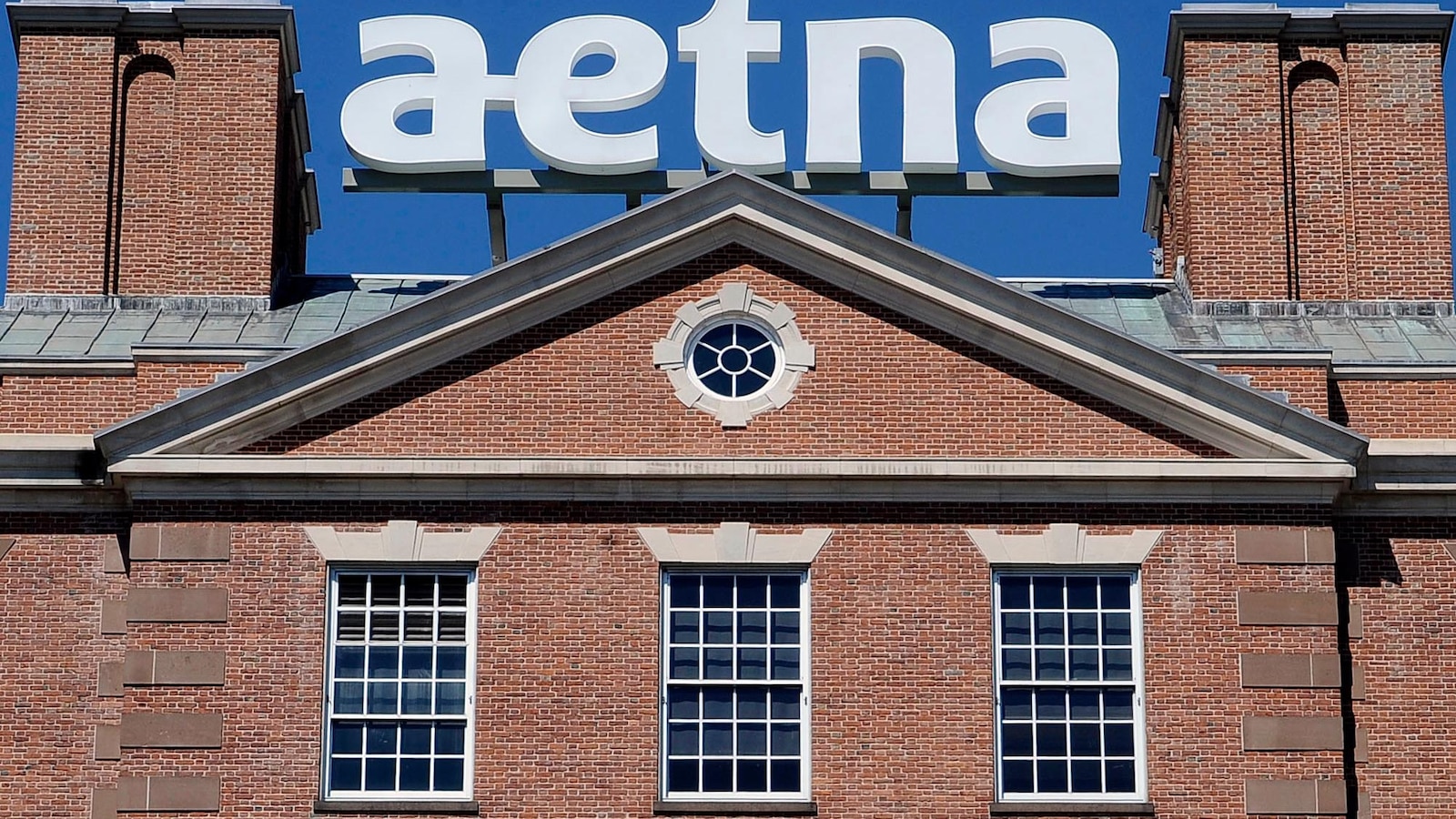
A concerning security incident unfolded Thursday morning at the Aetna health insurance headquarters in Hartford, Connecticut, when a man carrying an AR-style pistol concealed in a backpack entered the building. The swift response from security personnel prevented what could have been a potentially dangerous situation, as guards detained the individual within just three minutes of his entry into the facility. The man was apprehended without any physical altercation and was held by security staff until Hartford city police officers arrived on scene to take him into custody. This incident has sent ripples through the healthcare industry, already on edge following recent violent events targeting insurance company executives. The quick action by Aetna’s security team demonstrates the heightened vigilance that has become necessary in the current climate surrounding healthcare companies and their operations.
Criminal Charges and Background of the Suspect
Following his arrest, the unidentified man was transported to Hartford police headquarters where he faces multiple serious criminal charges. According to Lieutenant Aaron Boisvert, a spokesperson for the Hartford Police Department, the suspect has been charged with illegal possession of an assault weapon, criminal possession of a firearm, possession of a large-capacity ammunition magazine, and trespassing. These charges reflect the severity of bringing such weaponry into a corporate office building. Court records and public documents reveal that this wasn’t the suspect’s first encounter with law enforcement—he has a documented criminal history that includes previous convictions for assault, threatening behavior, and drug possession. At the time of the incident, authorities were unable to determine the man’s intentions or what he planned to do once inside the building. As of the initial reports, it remained unclear whether the suspect had retained legal representation to respond to these allegations. The investigation into his motives continues as law enforcement works to understand what drove him to enter the Aetna building armed.
Corporate Response and Security Measures
CVS Health, the Rhode Island-based parent company of Aetna, issued a measured statement regarding the security breach at their Hartford location. “Earlier today, a suspicious person attempted to enter our office, was apprehended immediately by our security team and taken into custody by local police,” the brief statement read. The company did not immediately provide additional details or respond to follow-up questions from media outlets seeking more information about the incident or what security protocols were in place. The swift three-minute response time suggests that Aetna has implemented robust security measures, likely enhanced in recent months given the climate of concern surrounding healthcare industry executives and facilities. The fact that security personnel were able to identify and detain the individual so quickly indicates that the company has invested in training and preparedness for exactly these types of scenarios. This incident serves as a reminder of the critical importance of maintaining vigilant security operations at corporate facilities, particularly in industries that have become targets of public frustration and anger.
Growing Safety Concerns in the Healthcare Insurance Industry
This arrest occurs against a backdrop of escalating concerns about the safety of healthcare executives and the security of insurance company facilities across the nation. The incident directly follows the shocking December 2024 murder of Brian Thompson, the CEO of UnitedHealthcare, who was killed in New York City in what appeared to be a targeted attack. That high-profile killing sent shockwaves through the healthcare industry and prompted insurance companies nationwide to reassess and strengthen their security protocols. The accused in Thompson’s murder, Luigi Mangione—an Ivy League-educated man from a prominent and wealthy Maryland family—has entered a not guilty plea to both state and federal charges related to the killing. Perhaps most troubling for the healthcare industry, Mangione has emerged as something of a folk hero or cause célèbre among certain segments of the population who harbor deep resentment toward health insurance companies and their practices. This phenomenon of celebrating or sympathizing with someone accused of violence against a healthcare executive reflects a disturbing undercurrent of anger directed at an industry that many Americans blame for denied claims, high costs, and barriers to accessing medical care.
Public Frustration and Industry Tensions
The transformation of an accused killer into a symbolic figure represents a troubling development that goes beyond typical criminal cases. The fact that Luigi Mangione has attracted support and admiration from people frustrated with the health insurance industry highlights the depth of anger many Americans feel toward these companies. Years of fighting with insurers over claim denials, facing unexpected medical bills, struggling with prior authorization requirements, and dealing with the complexity of healthcare coverage have created a powder keg of resentment. While the vast majority of people who are upset with their insurance companies would never consider violence, the lionization of someone accused of murdering a healthcare executive demonstrates how raw these emotions have become. Healthcare companies now find themselves in the difficult position of being both businesses trying to operate profitably and targets of public anger over a system many view as broken or unfair. The industry must now balance accessibility with security, maintaining open corporate environments while protecting their employees and leadership from potential threats. This tension creates challenges for companies trying to maintain normal business operations while ensuring everyone’s safety.
Workplace Changes and Future Implications
Adding another layer of complexity to this situation, CVS Health announced in February 2024 that it would be laying off more than 300 remote workers who reported to the Aetna headquarters in Hartford. These layoffs, coming just weeks before the security incident, reflect the ongoing corporate restructuring and cost-cutting measures common in the healthcare industry. While there is no indication that the arrested individual was connected to these layoffs, the timing underscores the multiple pressures facing healthcare companies—from managing their workforce and controlling costs to ensuring the physical safety of their employees and facilities. Looking forward, this incident at Aetna will likely prompt further evaluation of security measures across the healthcare insurance industry. Companies may implement additional screening procedures, increase security personnel, restrict building access, and provide employees with safety training. The challenge will be maintaining a workplace environment that doesn’t feel like a fortress while still protecting people from potential threats. As investigations continue into what motivated Thursday’s incident in Hartford, the healthcare industry must grapple with difficult questions about public perception, corporate responsibility, and how to address the underlying frustrations that have made their executives and facilities potential targets. The resolution of these tensions will require not just better security, but also broader conversations about healthcare access, insurance practices, and the relationship between these companies and the millions of Americans they serve.