


RFK Jr. Restores Staffing to 9/11 Health Program Amid Mounting Congressional Pressure
A Long-Awaited Resolution to a Critical Healthcare Crisis
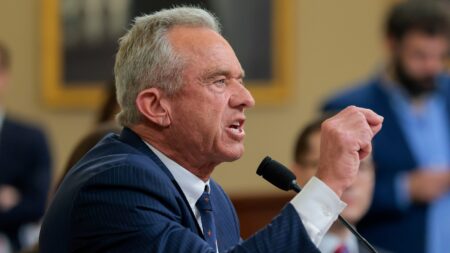
Health and Human Services Secretary Robert F. Kennedy Jr. has finally approved the hiring of 37 staff members for the World Trade Center Health Program, bringing the program’s workforce back to its federally mandated level of 120 employees. This decision comes just before Kennedy’s scheduled appearance at a Capitol Hill hearing, ending nearly a year of intense bipartisan criticism over severe staffing shortages that have hampered care for the 140,000 people enrolled in the program. The World Trade Center Health Program serves first responders, survivors, and residents who were exposed to toxic materials during and after the September 11, 2001 terrorist attacks in New York City, Shanksville, Pennsylvania, and Washington, D.C. Many of these individuals now suffer from serious health conditions including various forms of cancer, chronic respiratory diseases, and other medical complications directly linked to their exposure to the hazardous debris and toxic dust that filled the air during the rescue, recovery, and cleanup operations.
The announcement came via email to program advocates and lawmakers on Wednesday, marking what many consider a significant victory for the 9/11 community after months of sustained advocacy and pressure from both Democratic and Republican members of Congress. The program had been operating with only 83 employees for more than a year, despite being authorized for 120 staff positions and despite serving a growing population of enrollees that has expanded by nearly 30,000 participants during this period of understaffing. This workforce reduction followed a chaotic period of firings, rehires, and leadership changes that left the program in disarray precisely when it needed stability to serve its expanding patient population effectively.
The Real-World Impact of Staffing Shortages on 9/11 Heroes
The consequences of operating the World Trade Center Health Program at approximately 69% of its intended staffing capacity have been far-reaching and, for many in the 9/11 community, deeply frustrating. Advocates and enrollees reported numerous problems stemming directly from the shortage of personnel, including significantly slower approval processes for new survivors seeking to enter the program, substantial delays in managing the contractors who provide direct medical care, and extended wait times for patients trying to access the treatments they desperately need. For individuals already coping with serious illnesses such as cancer and chronic respiratory conditions, these delays aren’t merely administrative inconveniences—they represent potentially life-threatening obstacles to receiving timely medical intervention.
Benjamin Chevat, executive director of Citizens for the Extension of the James Zadroga Act, acknowledged that the staffing restoration represents meaningful progress but was careful to credit the achievement to persistent pressure from lawmakers across the political spectrum who refused to let the issue fade from public attention. The James Zadroga 9/11 Health and Compensation Act, named after a New York City Police Department detective who died of respiratory disease attributed to his work at Ground Zero, established the World Trade Center Health Program to provide long-term medical monitoring and treatment to those whose health was compromised by the attacks and their aftermath. The program represents a solemn commitment to the men and women who rushed toward danger on that terrible day, as well as to the residents and workers who lived and labored in the toxic environment that persisted for months afterward.
Congressional Response: Relief Mixed with Frustration
Lawmakers from both parties welcomed the staffing announcement, though several coupled their approval with criticism of the administration for allowing the problem to persist for so long. Representative Andrew Garbarino, a Republican from New York, emphasized the practical benefits the additional staff would provide, noting that “more staff means better access to care, shorter wait times, and stronger support for those still living with the health impacts” of the September 11th attacks. He characterized the decision as “real progress for the 9/11 community” and framed it as a matter of honoring the commitment made to those who “answered the call on September 11th” by ensuring they receive “the care they have earned.” His comments reflect the bipartisan consensus that has generally characterized congressional support for 9/11-related health programs, recognizing that caring for these heroes and survivors should transcend ordinary political divisions.
Representative Dan Goldman, a Democrat also representing New York, expressed similar relief while pointedly criticizing the delays that necessitated repeated demands from members of Congress before action was finally taken. Goldman stated that while he was “encouraged” by Secretary Kennedy’s decision to increase staffing levels, he considered “the ongoing staffing shortages under this administration unacceptable” because they have been “undermining the program’s ability to provide timely and quality care to the enrollees.” He pledged to “be watching closely to ensure that new staffers are hired as quickly as possible” and that the 9/11 heroes “receive the quality healthcare they were promised and deserve.” This combination of cautious optimism and vigilant oversight characterizes the congressional approach to the World Trade Center Health Program, with lawmakers determined to hold the administration accountable for following through on commitments.
At a Senate hearing held last May, Secretary Kennedy acknowledged that his department had “made a couple of mistakes” regarding the firing of program staff and promised to address the problems. Following the staffing announcement, a spokesperson for the Department of Health and Human Services emphasized that “under Secretary Kennedy’s leadership, the World Trade Center Health Program continues to move forward and deliver for responders and survivors,” describing the approval of these positions as reflecting “HHS’ commitment to strengthening the program” and reiterating that “protecting the health and well-being of those affected by 9/11 remains a top priority.”
Significant Challenges Remain Beyond the Staffing Issue
While the resolution of the staffing shortage represents important progress, advocates like Benjamin Chevat are quick to point out that substantial concerns about the program’s operation remain unaddressed. Most significantly, key decisions about expanding coverage to include additional health conditions—including autoimmune disorders, cardiac conditions, and cognitive impairments—have been pending for years in some cases, leaving patients suffering from these conditions without full coverage through the program. These coverage decisions require approval within HHS under Secretary Kennedy’s authority, and until that sign-off occurs, affected individuals must seek care and coverage through other means, often at significant personal expense or with inadequate treatment options.
Research funding for the program has also stalled under the current administration’s oversight. The annual grant cycle, which typically distributes approximately $20 million to support scientific studies investigating 9/11-related illnesses, is still awaiting approval despite expectations that it would have begun in February. This research is crucial not only for understanding the full spectrum of health effects resulting from exposure to World Trade Center toxins but also for developing more effective treatment protocols for the conditions already recognized by the program. Additionally, advocates report that communication between HHS leadership and the 9/11 community has been notably sparse, with fewer updates and less transparency about decision-making processes than in previous administrations, leaving survivors and their advocates uncertain about the program’s direction and priorities.
Looking Ahead: Continued Vigilance and Advocacy
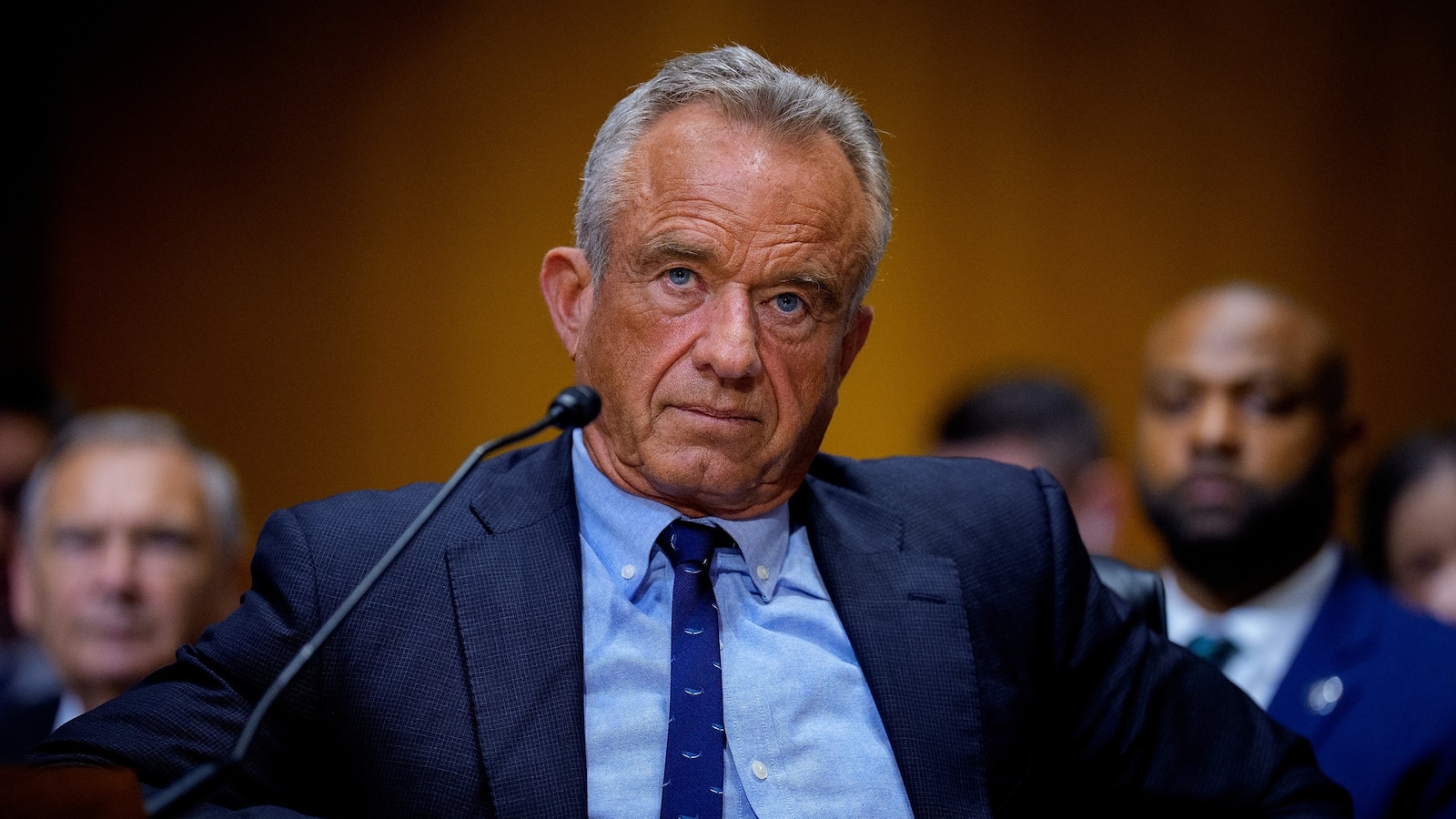
The timing of Secretary Kennedy’s decision to approve the staffing increase—announced just one day before his scheduled appearance at a Capitol Hill hearing—has not escaped notice among program advocates and congressional observers. Chevat noted pointedly that “now a year later he is finally letting the program fill the staff vacancies that the program was blocked from filling,” with the clear implication that the imminent congressional testimony provided motivation for action that months of advocacy had failed to produce. Despite HHS spokesperson Andrew Nixon’s previous assertion that decisions about the program rest with the World Trade Center Health Program administrator rather than Secretary Kennedy himself, the fact remains that the hiring freeze persisted under Kennedy’s leadership and was lifted only as he prepared to face lawmakers’ questions.
Lawmakers are expected to continue pressing Kennedy on World Trade Center Health Program issues during his Thursday hearing and at an upcoming Senate Health, Education, Labor and Pensions Committee hearing scheduled for next week, where the stalled research funding budget is anticipated to be a particular focus of questioning. For the 140,000 enrollees in the program—first responders who rushed into collapsing buildings, construction workers who spent months breathing toxic dust during the cleanup, residents who returned to contaminated apartments, and office workers who inhaled hazardous particles in the days and weeks after the attacks—these congressional hearings represent their best opportunity to ensure that the federal government honors its commitment to their care. The restoration of program staffing removes one of the most visible and widely criticized problems, but advocates and lawmakers alike recognize that vigilance will be necessary to address the remaining challenges and to ensure that the staffing positions are filled quickly with qualified personnel who can begin serving the program’s growing population of patients. The 9/11 community has waited long enough for the comprehensive, responsive healthcare they were promised and undeniably deserve.