


President Trump Nominates Dr. Erica Schwartz as New CDC Director
A New Leader for a Troubled Agency
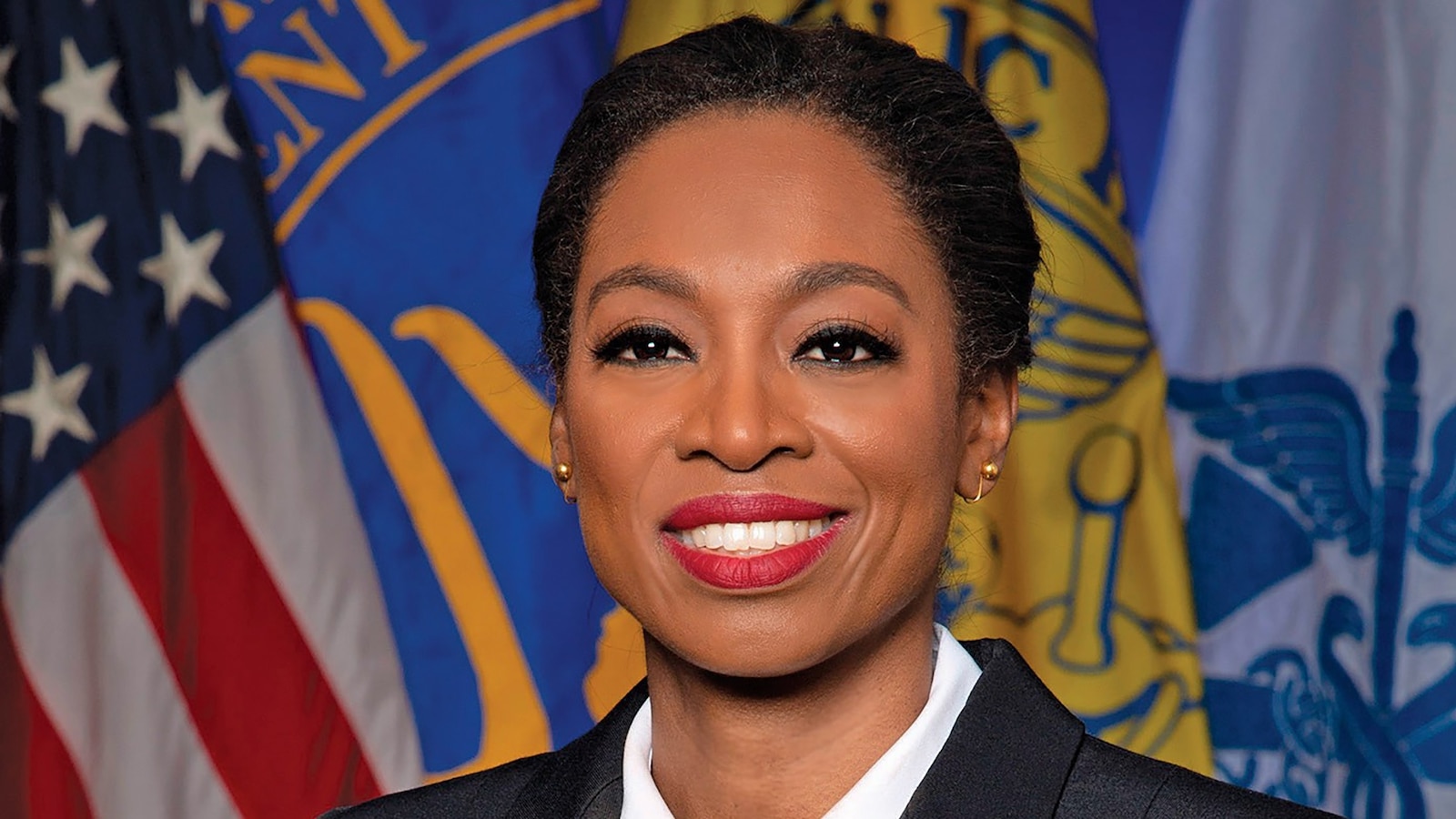
President Donald Trump has chosen Dr. Erica Schwartz, a physician with extensive experience in public health leadership, to head the Centers for Disease Control and Prevention (CDC). The announcement came through Trump’s Truth Social platform on Thursday, where he expressed his enthusiasm about the nomination, calling Schwartz “incredibly talented.” If the Senate confirms her appointment, Schwartz would be stepping into one of the nation’s most critical public health positions at a time when the CDC has been experiencing significant upheaval and controversy. She would be replacing Dr. Jay Bhattacharya, who currently serves as director of the National Institutes of Health but has been acting as interim CDC director since February. This nomination represents the latest chapter in what has been a tumultuous period for the agency, which has seen multiple leadership changes and intense political pressure over the past year.
Dr. Schwartz’s Impressive Background and Qualifications
Dr. Erica Schwartz brings a wealth of medical and military experience to this critical role. She earned her medical degree from the prestigious Brown University, establishing a strong foundation in medicine and healthcare. Her career has been marked by dedicated service to the country, beginning with her time in the U.S. Navy, where she served until 2005. Following her naval service, Schwartz continued her public service career in the U.S. Public Health Service Commissioned Corps, where she held increasingly important positions. Her most notable roles included serving as the Coast Guard Chief Medical Officer, where she oversaw medical operations and healthcare for Coast Guard personnel. Most significantly, she served as Deputy Surgeon General from 2019 to early 2021, a position she held during Trump’s first administration. This previous experience working within the Trump administration’s health infrastructure may prove valuable as she navigates the political landscape of her new role, should she be confirmed by the Senate.
A Pattern of Leadership Instability at the CDC
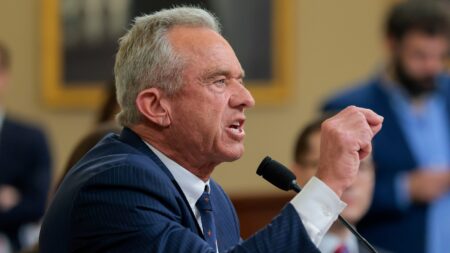
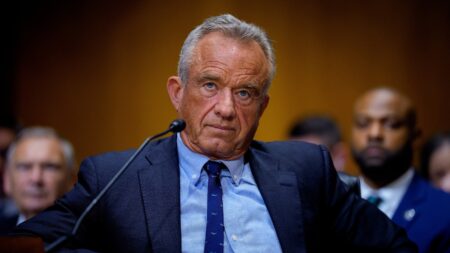
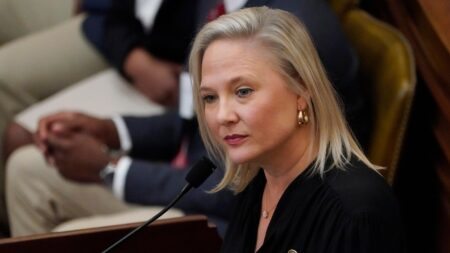
The nomination of Dr. Schwartz comes against a backdrop of extraordinary turnover and controversy at the CDC. In his Truth Social announcement, President Trump made it clear that his administration views the previous CDC leadership under President Biden with considerable disdain, describing it as “an absolute disaster focused on ‘mandates.'” Schwartz is actually the fourth person to be named or nominated as head of the CDC since last summer, an unprecedented level of turnover for such a crucial public health agency. This revolving door of leadership began when Dr. Susan Monarez was confirmed as CDC director in July 2025, but her tenure lasted less than a month before she was fired. Reports indicated that Monarez was dismissed by Health and Human Services Secretary Robert F. Kennedy Jr. for reportedly refusing to rubber-stamp his vaccine agenda or to fire high-ranking CDC leaders whom he opposed. The dismissal sparked significant controversy and led to congressional hearings where both Kennedy and Monarez testified before Senate committees. During her September 2025 testimony, Monarez made the serious allegation that she was fired by Trump and Kennedy for “holding the line on scientific integrity,” suggesting that there were attempts to politicize the agency’s scientific recommendations.
The Controversy Surrounding Vaccine Policies
The conflict between the Trump administration and CDC leadership has largely centered on vaccine policies and recommendations. At the Senate hearing, Secretary Kennedy disputed Monarez’s account of events, denying that he had instructed her to accept vaccine recommendations without proper scientific evidence. He claimed that one of the reasons for her dismissal was that she had told him she was untrustworthy, presenting a very different narrative from Monarez’s testimony. After Monarez’s departure, Jim O’Neill, who served as Kennedy’s deputy secretary at HHS, took over as acting CDC director. During his brief tenure, O’Neill made significant changes to the CDC’s vaccine recommendations, including reducing the number of vaccines recommended for children and removing the universal recommendation for the hepatitis B vaccine at birth. These controversial decisions raised alarm among many public health experts and medical professionals who worried about the potential impact on children’s health and disease prevention efforts. The concerns were significant enough that a federal judge temporarily blocked these policy changes, adding another layer of complexity to the ongoing debate about vaccine policy and the appropriate role of political considerations in public health decisions.
The Broader Context of Trump’s Health Department Appointments
President Trump’s announcement of Dr. Schwartz’s nomination came as part of a broader package of appointments to various positions within the CDC and the Department of Health and Human Services. In his characteristic style, Trump emphasized that these appointees are “Highly Respected Doctors of Medicine” who possess “the knowledge, experience, and TOP degrees to restore the GOLD STANDARD OF SCIENCE at the CDC.” The president framed these appointments as part of his larger mission to “MAKE AMERICA HEALTHY AND GREAT AGAIN,” connecting public health leadership to his broader political messaging. According to White House officials, the reshuffling of leadership extends beyond just the CDC director position. Dr. Bhattacharya, who has been serving as acting CDC director while maintaining his primary role as NIH director, will focus solely on the NIH going forward. Meanwhile, Jim O’Neill is reportedly being considered for nomination as the next head of the National Science Foundation, moving from his current role at HHS to another important scientific leadership position within the federal government.
What This Means for the Future of Public Health
The nomination of Dr. Erica Schwartz represents more than just a personnel change; it signals the Trump administration’s continued efforts to reshape federal public health agencies according to its policy priorities. For the American public, the stakes could hardly be higher. The CDC plays a crucial role in protecting public health, from monitoring disease outbreaks to making recommendations about vaccinations and other preventive measures. The agency’s credibility and independence have traditionally been viewed as essential to its mission, allowing it to provide trusted guidance based on scientific evidence rather than political considerations. However, the recent turbulence at the agency—including the rapid turnover of directors, the controversial changes to vaccine recommendations, and the public disputes about scientific integrity—has raised concerns among many public health professionals about whether the CDC can maintain its independence and credibility. As Dr. Schwartz prepares for what will likely be intense Senate confirmation hearings, she will need to address questions about how she will balance political pressures with scientific integrity, how she views the recent vaccine policy changes, and how she plans to restore stability and morale to an agency that has been through significant upheaval. Her success or failure in navigating these challenges will have important implications not just for the CDC as an institution, but for public health outcomes across the nation. The American people will be watching closely to see whether she can indeed help restore what Trump calls the “gold standard of science” while maintaining the agency’s critical mission of protecting public health.