

Democrats Challenge RFK Jr. on Rising Measles Cases and Vaccine Policy Changes
Heated Congressional Confrontation Over Public Health Direction
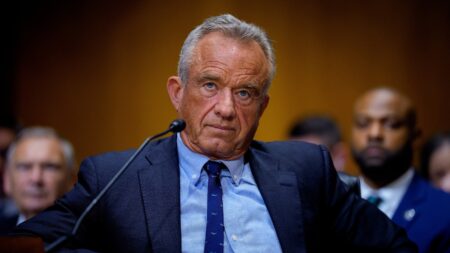
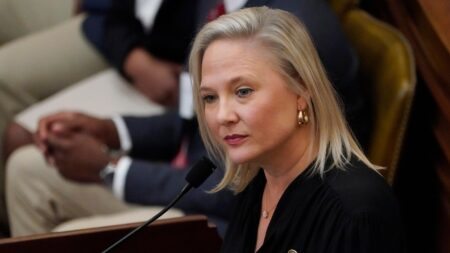
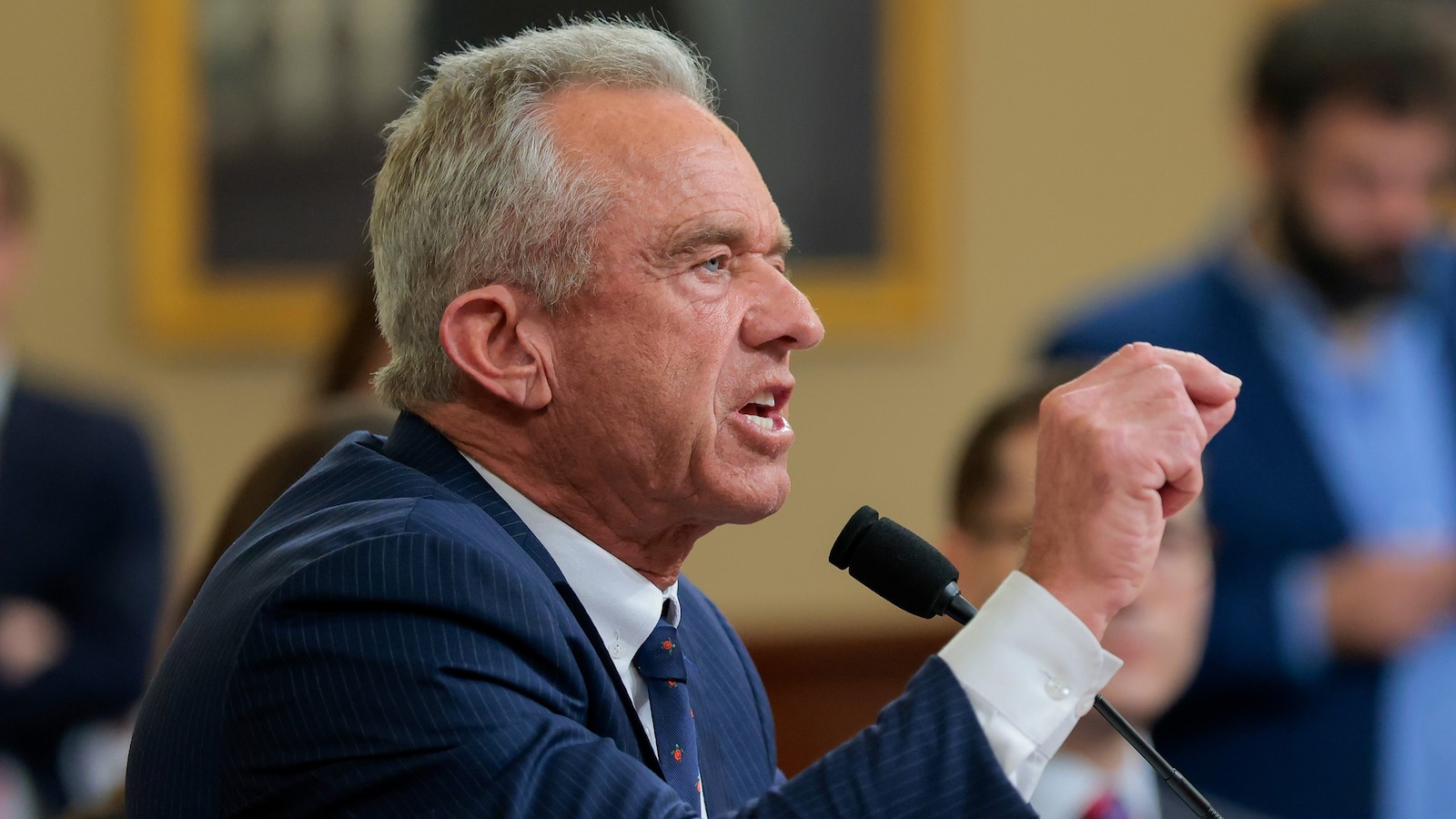
In a tense hearing before the House Ways and Means Committee on Thursday, Democratic lawmakers launched a pointed attack on Health and Human Services Secretary Robert F. Kennedy Jr., directly linking his vaccine-skeptical stance to a concerning rise in measles cases across the United States. The hearing laid bare the deep divisions over public health policy under the current administration, with Democrats accusing Kennedy of making dangerous decisions that have cost children their lives. The confrontation centered on recent policy changes at the Centers for Disease Control and Prevention, including alterations to childhood immunization schedules and the abrupt ending of pro-vaccine messaging campaigns. Representative Linda Sanchez of California led the charge, pressing Kennedy on whether vaccines could have prevented recent childhood deaths from measles in Texas. The exchange highlighted growing concerns among medical professionals and lawmakers about the direction of federal health policy and its real-world consequences for American families.
Tragic Texas Outbreak Becomes Focal Point of Debate
The committee hearing repeatedly returned to a heartbreaking measles outbreak that devastated West Texas communities last year, serving as a stark reminder of what’s at stake in the vaccine debate. The outbreak infected more than 700 people and tragically claimed the lives of two unvaccinated school-aged children—marking the first measles deaths in the United States in a full decade. When Representative Sanchez directly asked Kennedy whether he agreed with the medical consensus that the measles vaccine could have saved the first child’s life, his response was measured but ultimately affirmative: “It’s possible, certainly.” This admission, though qualified, underscored the preventable nature of these deaths and the life-saving potential of vaccines that Kennedy has long questioned. The tragedy in Texas has become emblematic of broader concerns about declining vaccination rates and the resurgence of diseases that were once nearly eliminated in the United States. Kennedy has built a career sowing doubt about the safety and effectiveness of the measles, mumps, and rubella (MMR) vaccine, despite it being required in all states for public school attendance and having an extensive safety record spanning decades.
Policy Changes and Their Controversial Implementation
Democrats expressed particular outrage over what they characterized as Kennedy’s systematic dismantling of established public health protections. Representative Sanchez said she was “appalled” by Kennedy’s decision to end the CDC’s pro-vaccine messaging, specifically referencing the termination of a flu vaccination campaign during Kennedy’s first full week as health secretary. Sanchez argued that this policy reversal correlated directly with increases in preventable deaths, particularly among unvaccinated children who succumbed to influenza. The hearing also addressed changes to the childhood immunization schedule implemented by the CDC under HHS leadership, which removed universal recommendations for multiple shots—a move that was temporarily blocked by a federal judge, suggesting judicial concern about the policy’s legality or public health implications. Throughout the questioning, Sanchez pressed Kennedy on whether President Donald Trump had approved these dramatic shifts in public health messaging. Kennedy attempted to provide context and pushback against what he called “misinformation,” but Sanchez repeatedly cut him off, insisting he answer her direct questions about presidential involvement in these controversial decisions.
Disputed Statistics and International Comparisons
As the hearing grew more contentious, Kennedy attempted to defend his record by making international comparisons that were immediately challenged by committee members. Kennedy claimed that “there’s a global measles epidemic” and asserted that “we’ve done better in preventing than any country in the world.” He specifically cited Mexico as having three times the U.S. measles cases despite having one-third of the population, and Canada as having double the cases with one-eighth of the population. Representative Sanchez sharply contested these claims, stating, “There’s no country that has seen a bigger percentage increase than this country.” This statistical sparring highlighted the complexity of comparing public health outcomes across different nations with varying healthcare systems, population densities, and baseline vaccination rates. The Pan American Health Organization, part of the World Health Organization, added important context to this debate by determining that Canada had lost its measles elimination status. Furthermore, both Mexico and the United States are now at risk of losing their own elimination status due to continued outbreaks over the past twelve months—a concerning development that suggests the progress made over previous decades may be eroding under current policies.
The Broader Criticism from Medical Community and Lawmakers
The criticism of Kennedy extended beyond the specific policy changes to encompass his overall approach to public health leadership. Representative Mike Thompson of California took a particularly harsh stance, directly labeling Kennedy a “dangerous conspiracy theorist” and accusing him of fundamentally undermining public health in America. Thompson presented striking statistics that underscored the severity of the measles resurgence: while approximately 500 measles cases occurred during President Joe Biden’s entire four-year term, cases had already reached 2,300 during just the first year of Trump’s second term with Kennedy leading the health department. “Kids have died because measles is running rampant under your watch, in large part because President Trump allowed your conspiracy theories to run our public health,” Thompson told Kennedy bluntly. He added that “Americans need serious leadership, grounded in evidence and science. Instead, we have you and this President elevating misinformation and undermining basic public health.” This criticism reflects broader concerns among medical organizations and public health experts who have been vocal about what they view as an inadequate federal response to the ongoing measles outbreak, including Kennedy’s delayed public acknowledgment that the measles vaccine actually helps prevent infection—a fact that is fundamental to vaccination science and has been established for generations.
Kennedy’s Background and the Road Ahead for Public Health
Understanding the current controversy requires examining Robert F. Kennedy Jr.’s long history with vaccine skepticism. Kennedy founded Children’s Health Defense, an organization that has consistently promoted views on vaccines that are not supported by scientific evidence and that contradicts the consensus of medical professionals worldwide. Medical organizations and public health experts have pointed to Kennedy’s vaccine-skeptical rhetoric—even before he assumed the role of health secretary—as a likely driver for vaccine hesitancy across parts of the nation. CDC data shows that despite the MMR vaccine being required in all states for public school attendance, vaccination rates have been steadily decreasing over the last decade, a trend that has accelerated concerns about the return of preventable diseases. The heated committee hearing reflects a fundamental clash between those who prioritize individual choice and skepticism of pharmaceutical interventions versus those who emphasize collective public health responsibility and evidence-based medicine. As measles cases continue to rise and the debate over vaccine policy intensifies, the stakes couldn’t be higher for American families trying to navigate conflicting messages about their children’s health. The coming months will reveal whether current policies will be sustained, modified, or reversed as the public health consequences become increasingly apparent and the political pressure from both sides of the debate continues to mount.