


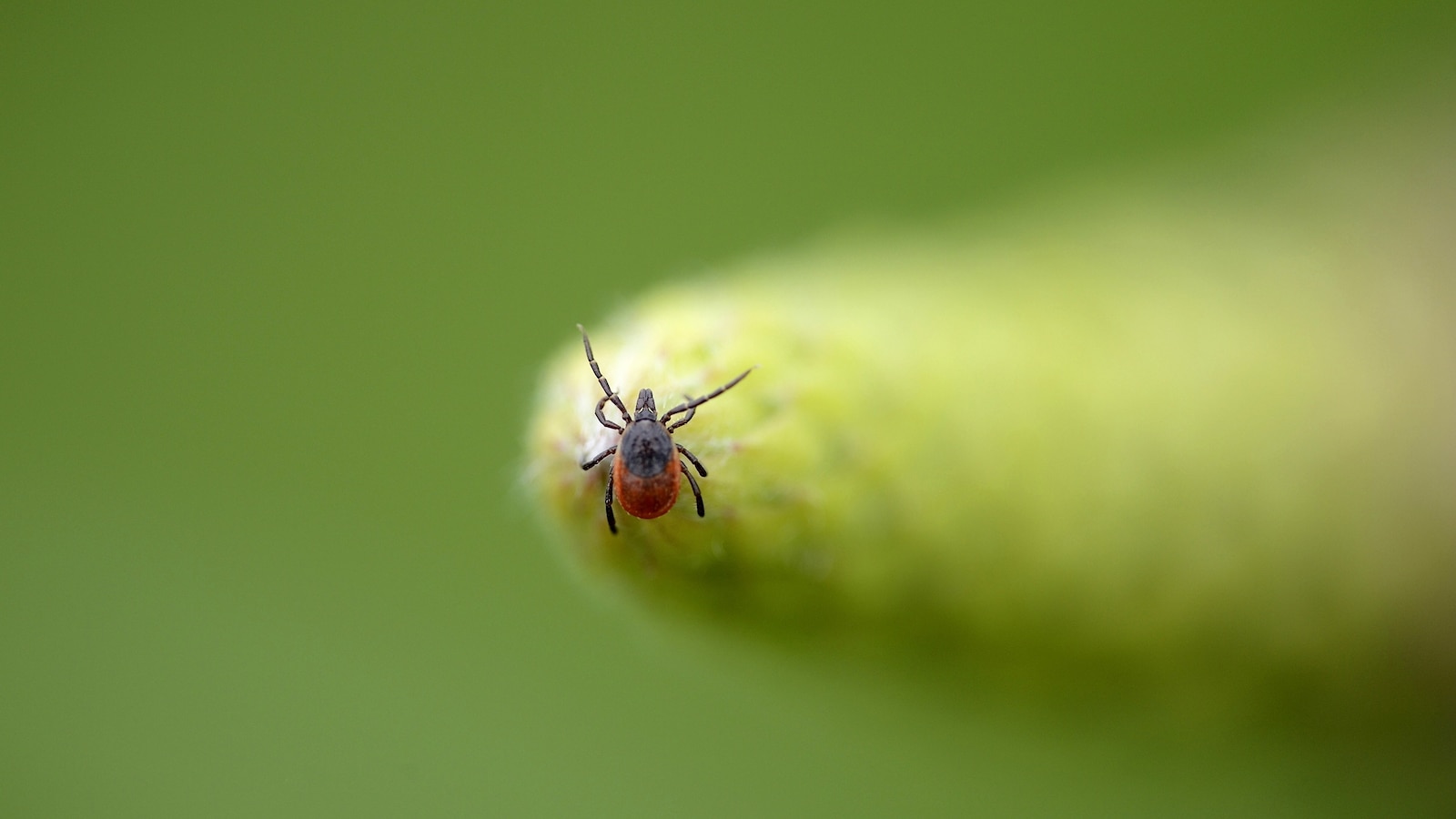

Emergency Room Visits for Tick Bites Reach Record Highs Across America
An Alarming Surge in Tick-Related Health Concerns
The United States is experiencing an unprecedented spike in tick bite emergencies, with data from the Centers for Disease Control and Prevention (CDC) revealing that weekly emergency room visits have climbed to their highest levels since record-keeping began in 2017. The numbers paint a concerning picture: during the most recent reporting week, approximately 71 out of every 100,000 emergency room visits were attributed to tick bites. This figure represents more than double the typical rate of about 30 per 100,000 visits normally seen during this time of year. The surge is being felt most acutely in the Northeast region of the country, which is reporting the highest number of tick bite-related emergency visits, followed by the Midwest, Southeast, West, and South Central regions respectively. Health experts are closely monitoring this trend, particularly because May typically marks the annual peak for tick bite emergency room visits, and it remains uncertain whether the current upward trajectory will continue or stabilize as the season progresses.
Dr. John J. Halperin, who serves as chair of the New Jersey Stroke Care Advisory Panel and is a member of the department of neuroscience at Atlantic Health Overlook Medical Center in New Jersey, has been observing this trend with growing concern. As someone whose medical practice partly focuses on Lyme disease and tick-borne illnesses, Dr. Halperin noted that current numbers are “running well above historic average and even well above last year.” He has observed that tick activity has begun earlier this season than usual, and there appears to be a significantly larger tick population active in the environment. While acknowledging that increased public awareness about tick-borne diseases may be contributing to more people seeking emergency medical attention, Dr. Halperin emphasized that there appears to be “a clear increase in the number of ticks out there,” suggesting that the surge isn’t simply a matter of heightened reporting but represents a genuine expansion of the tick population.
Understanding the Seasonal Patterns and Climate Connection
The timing of this surge is particularly significant from a public health perspective. Spring and early summer represent what experts call “prime time” for tick bites, particularly from the youngest forms of ticks, which are the primary culprits in transmitting diseases to humans. According to Dr. Halperin, seeing such elevated numbers during this critical season translates directly into an increased risk for the general population. However, there is some cautious optimism that the monthly April average might eventually level out and align with previous years’ patterns as more data becomes available. The concern, though, is that if the trend continues throughout the traditional peak season, the cumulative impact on public health could be substantial, potentially overwhelming emergency departments in areas with particularly high tick populations.
The connection between climate change and the rise in tick-borne diseases has become increasingly clear to scientists and medical professionals alike. The environmental changes we’re experiencing—including shorter winters, earlier springs, and hotter, longer summers—have created conditions that are exceptionally favorable for tick populations to thrive and expand their geographic range. Dr. Christopher Bazzoli, an emergency medicine physician at Cleveland Clinic, explained that the combination of increased tick populations, warmer weather patterns, and heavy rainfall is likely causing some tick populations to emerge and grow earlier in the season than they have historically. Ticks typically become active when temperatures reach 45 degrees Fahrenheit or higher, and with temperatures staying elevated well into the fall months, we may be witnessing an extension of the traditional tick season. This means that the window of vulnerability for humans encountering ticks is expanding at both ends of the calendar, creating a longer period during which people need to remain vigilant about tick exposure.
The Role of Disease Recognition and Reporting Changes
Beyond climate factors, changes in how we recognize and report tick-borne diseases have also influenced the numbers we’re seeing. Dr. Halperin pointed out a significant shift in CDC policy that has affected reporting statistics: “One big change was the CDC changed what they would allow to be called a confirmed case of Lyme disease and really loosened the criteria. So, there was a huge bump in the reported numbers.” This administrative change means that cases that previously might not have been officially counted as Lyme disease are now being included in the statistics, contributing to the apparent increase in tick-borne illness cases. While this change doesn’t diminish the reality of increased tick populations and disease transmission, it does complicate efforts to understand exactly how much of the increase represents new cases versus previously unrecognized cases. Nevertheless, the combination of environmental factors, expanded tick populations, and improved recognition and reporting creates a complex picture that points unmistakably toward a growing public health challenge that requires serious attention and proactive measures.
Practical Prevention Strategies for Staying Safe
Given the severity of this tick surge, understanding how to protect yourself and your family has never been more important. The CDC has issued comprehensive recommendations for people who spend time outdoors, starting with basic environmental awareness and avoidance strategies. The agency strongly advises people to avoid wooded and brushy areas that have high grass and leaf litter, as these environments provide ideal habitats for ticks. When hiking on trails, staying in the center of the path rather than brushing against vegetation on the sides can significantly reduce your exposure risk. Dr. Halperin offered additional insight into tick behavior and ecology, explaining that “these ticks have a strongly preferred habitat. They spend much of their lives in low brush. Their preferred reservoir host is the field mouse. Field mice carry Lyme disease, and if a tick lodges on that field mouse, it picks up the infection, and they can give it to us.” Understanding this ecological connection helps clarify why certain environments pose greater risks and underscores the importance of avoiding areas where field mice and ticks are likely to coexist.
Chemical protection methods also play a crucial role in tick bite prevention. The CDC recommends using Environmental Protection Agency-registered insect repellents that contain at least 20% DEET or 20% picaridin as the listed active ingredient. There are other approved ingredients available as well, giving people options based on their preferences and sensitivities. However, it’s important to note that these products should not be used on children under the age of 3. For additional protection, the CDC suggests treating outdoor clothing and gear with 0.5% permethrin, which functions both as an insecticide and a repellent. One of the significant advantages of permethrin treatment is its durability—it remains effective even after multiple washes, making it a practical long-term protective measure for people who frequently spend time in tick-prone areas. Applying these chemical barriers creates multiple layers of defense against tick attachment, significantly reducing the likelihood of bites and subsequent disease transmission.
What to Do If You Find a Tick and Looking Ahead
Even with the best prevention efforts, there’s always a possibility of tick exposure, which makes knowing what to do after spending time outdoors absolutely essential. Dr. Halperin strongly suggests conducting a thorough tick check at the end of each day when you’ve been in areas where ticks might be present. This systematic examination of your entire body, paying particular attention to warm, moist areas where ticks prefer to attach, can catch ticks before they’ve had time to transmit diseases, as transmission typically requires several hours of attachment. If you discover a tick on your body, the removal technique matters significantly. Dr. Halperin recommends using fine-tip tweezers, carefully placing them between your skin and the tick’s body, then pulling steadily upward to remove the tick intact. It’s crucial to avoid squeezing the tick’s body during removal, as this can force infectious material into your bloodstream.
After removal, Dr. Bazzoli recommended cleaning the area thoroughly with soap and water or an antiseptic and then taking a picture of the tick before disposing of it. This photograph can be invaluable for identification purposes, helping medical professionals determine what species of tick it was and what diseases it might potentially carry, which in turn informs decisions about preventive treatment or monitoring. As we move forward into what appears to be a particularly challenging tick season, public awareness and consistent application of these preventive measures will be critical. The confluence of climate change, expanding tick populations, and changing patterns of human outdoor activity means that tick-borne diseases will likely remain a growing public health concern for years to come. By staying informed, taking appropriate precautions, and remaining vigilant about tick checks and prompt removal, individuals can significantly reduce their risk while health officials and researchers continue working to understand and address this emerging public health challenge.