


White House Correspondents’ Dinner Attack Suspect Faces New Federal Charges
Grand Jury Adds Assault Charge to Indictment
Cole Allen, the man accused of attempting to attack the White House Correspondents’ Dinner last month, is now facing additional serious federal charges. On Tuesday, a federal grand jury formally indicted the 31-year-old suspect on four counts, including a new charge of assaulting a federal law enforcement officer with a deadly weapon. This latest development adds to the already grave situation Allen finds himself in, as prosecutors build their case around what they describe as a brazen attempt to breach security at one of Washington’s most high-profile annual events. The three original charges filed last week—attempting to assassinate President Trump and two firearm-related offenses—were upheld by the grand jury, signaling that prosecutors have sufficient evidence to move forward with their case.
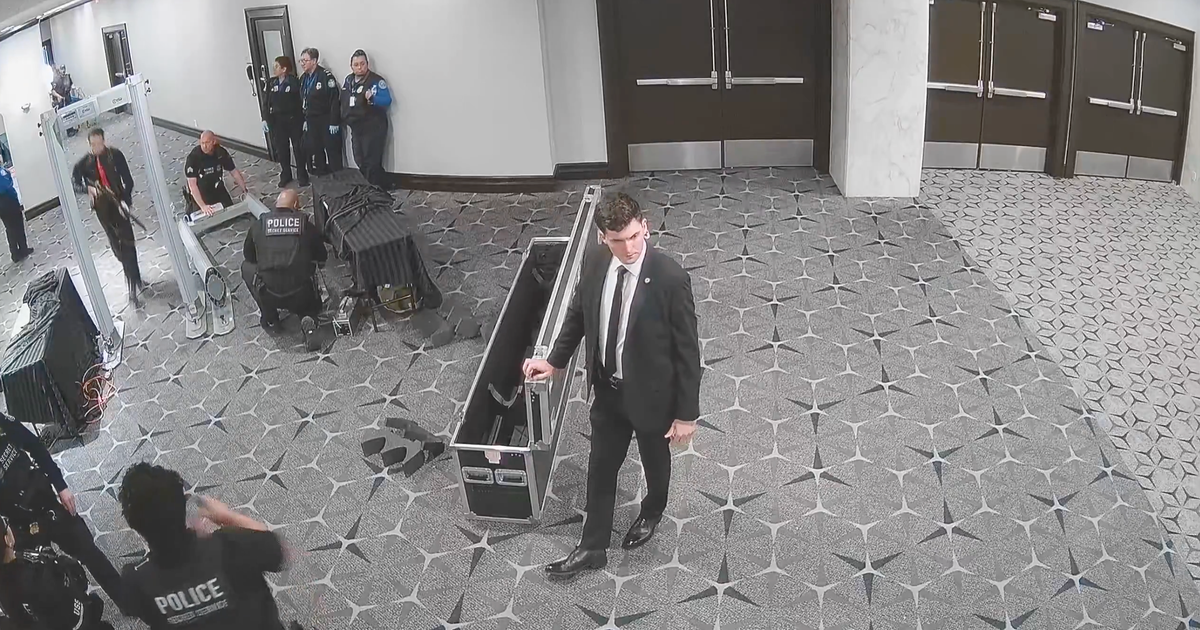
The incident itself reads like something from a thriller novel, yet it unfolded in real life on April 25th at the Washington Hilton, one of the capital’s most prominent hotels. According to federal prosecutors, Allen didn’t come unprepared—he was heavily armed with a shotgun, a handgun, and multiple knives when he allegedly tried to force his way through a security checkpoint. What makes this even more alarming is the location: the checkpoint was just one story above the grand ballroom where President Trump, senior administration officials, and dozens of journalists were gathered for the annual White House Correspondents’ Dinner, an event that traditionally brings together the most powerful figures in American politics and media under one roof. The proximity of the alleged attack to so many high-value targets underscores just how serious the security breach could have been.
Secret Service Officer Wounded in Confrontation
The new charge in Tuesday’s indictment sheds light on just how violent the encounter became. Prosecutors allege that Allen assaulted a federal officer, identified only by the initials V.G., with a shotgun during the attempted breach. Law enforcement officials have provided more details about this confrontation, revealing that Allen actually fired at a uniformed Secret Service officer who was manning the security checkpoint. The officer, wearing protective gear as part of his standard equipment, was struck by buckshot on his protective vest. Fortunately, the vest did its job—the officer’s injuries were not life-threatening, and he didn’t suffer serious harm. This detail highlights both the violence of Allen’s alleged actions and the critical importance of the protective equipment that law enforcement officers wear in high-security situations. Had the officer not been properly equipped, this story could have had a tragically different ending.
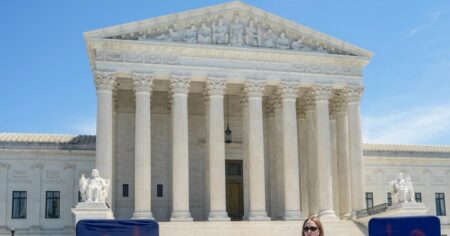
Allen has not yet entered a plea to any of the charges against him, but his arraignment has been scheduled for May 11th, when he will formally respond to the indictment. In the meantime, his legal team has agreed that he will remain in detention as the pre-trial process unfolds. This isn’t surprising given the severity of the charges—attempting to assassinate a sitting president is among the most serious federal crimes one can be charged with. The case has been assigned to U.S. District Judge Trevor McFadden, a detail that carries its own significance. Judge McFadden was nominated to the federal bench by President Trump himself back in 2017, which could raise questions about potential conflicts of interest, though federal judges are expected to remain impartial regardless of who appointed them. The assignment appears to be random, as is standard practice in the federal court system, but it will undoubtedly be watched closely by legal observers.
Troubling Jail Conditions Come Under Scrutiny
While the legal case against Allen moves forward, his treatment while in custody has become a separate concern that has caught the attention of the federal judiciary. On Monday, just days before the grand jury returned its indictment, a federal magistrate judge in Washington, D.C., publicly criticized the conditions under which Allen has been held at the local jail. Magistrate Judge Zia Faruqui said he was “very troubled” by what the defendant had been subjected to during his first week behind bars and took the unusual step of apologizing to Allen for the conditions of his detention. This kind of public rebuke from a federal judge is relatively rare and suggests that something went significantly wrong with how Allen was being treated, regardless of the serious nature of the crimes he’s accused of committing.
According to Allen’s defense attorneys, their client was placed on suicide watch almost immediately after arriving at the jail last week. This classification, while sometimes necessary for inmates who pose a danger to themselves, comes with extremely restrictive conditions that can feel punishing even to those who aren’t mentally unstable. Allen was reportedly held in a padded cell with lights on around the clock—24 hours a day—with no access to a phone or tablet, cutting him off from the outside world and making it nearly impossible to rest properly. After a day under these harsh conditions, he was downgraded to what’s called “suicide precautions,” which, while slightly less restrictive, still severely limited his ability to make phone calls or leave his cell. His lawyers argued that these restrictions made it difficult for them to communicate with their client and for him to participate meaningfully in his own defense, which raises constitutional questions about the right to effective legal representation.
Questions About Detention Protocols and Defendant Rights
By Friday of that first week, Allen’s attorneys reported that he had been reassessed by jail officials and was determined not to be at risk of self-harm. However, even after this determination, he was kept in a form of protective custody that resulted in his continued isolation from other inmates. This treatment raises important questions about how jails balance legitimate security concerns with the constitutional rights of defendants who haven’t yet been convicted of any crime. While Allen is accused of extremely serious offenses, and security concerns are understandable given the nature of the charges, the principle of “innocent until proven guilty” still applies. Defendants have the right to humane treatment while in custody, reasonable access to their attorneys, and the ability to assist in their own defense. The fact that a federal magistrate felt compelled to apologize suggests that, in this case, the balance may have tipped too far in one direction.
The situation also highlights broader issues with the American pretrial detention system, where conditions can vary widely and where defendants sometimes face harsh restrictions before they’ve had their day in court. Suicide watch and protective custody protocols serve important purposes—they can genuinely save lives and protect vulnerable inmates—but they can also be overused or misapplied, effectively becoming a form of punishment before conviction. Legal advocates have long argued that these measures need better oversight and clearer standards to prevent abuse. In Allen’s case, the public attention brought by Judge Faruqui’s comments may lead to improved conditions for him specifically, but it also shines a light on how other defendants in less high-profile cases might be treated without anyone noticing. As this case proceeds through the courts, Allen’s detention conditions will likely continue to be monitored, both by his legal team and by the judges overseeing his case, to ensure that his constitutional rights are protected even as he faces some of the most serious charges in the federal criminal code.