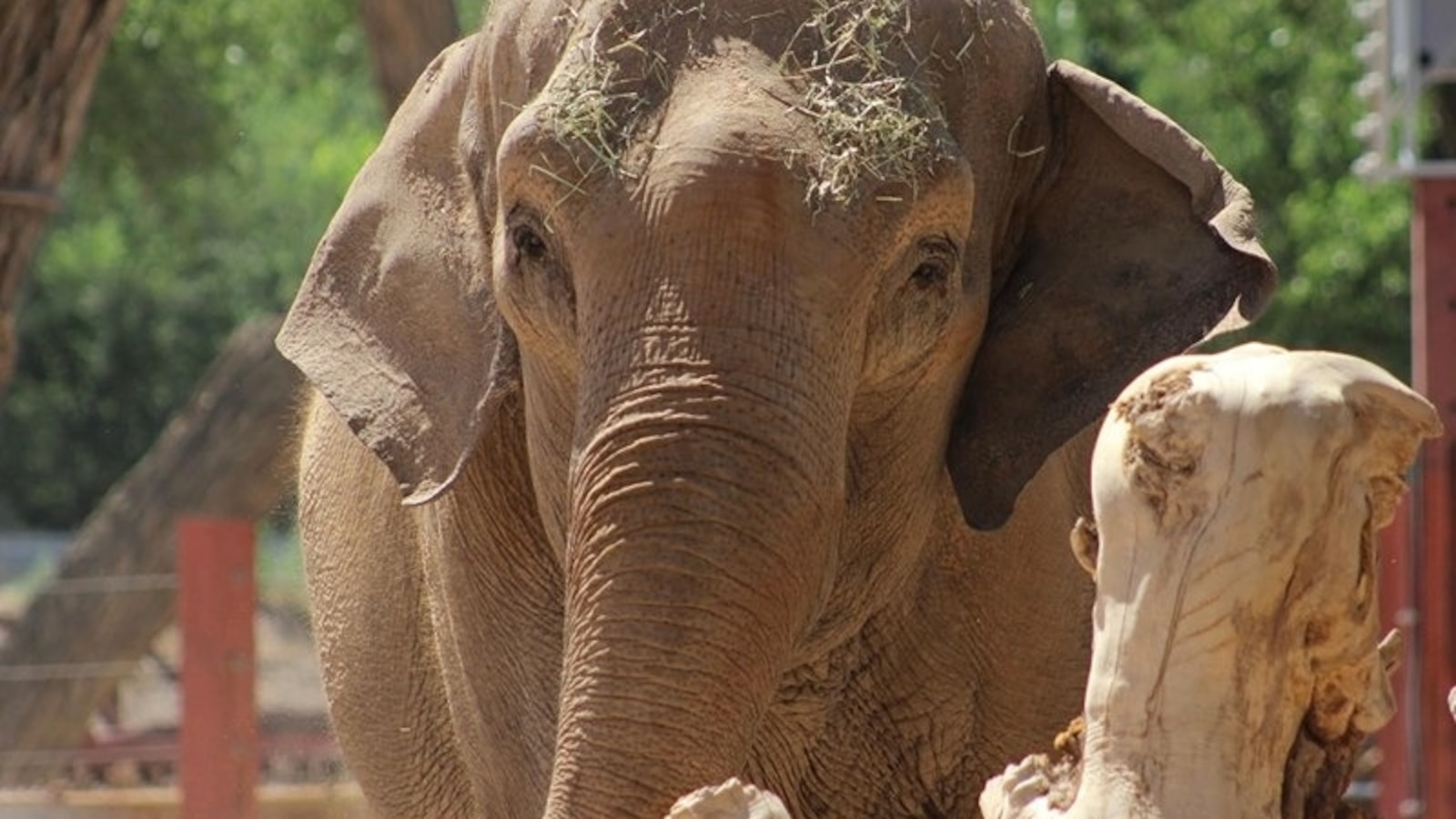

When Alice the Elephant Decided to Take an Early Morning Stroll
Sometimes, even elephants need a change of scenery. On a quiet Sunday morning in late March, Alice, a 52-year-old Asian elephant living at Albuquerque’s ABQ BioPark, decided she’d had enough of her usual surroundings and took matters into her own hands—or rather, her own feet. Security staff making their rounds at approximately 7:30 in the morning discovered something unusual: Alice was exploring areas well beyond her designated elephant habitat. What could have been a dangerous situation turned into a testament to the strong relationships between zoo animals and their caretakers, as well as the importance of emergency preparedness at modern zoological facilities.
A Gentle Giant’s Unexpected Adventure
The discovery of Alice outside her enclosure could have sparked panic, but fortunately, the zoo was closed to the public at the time, meaning no visitors were present during the incident. Alice, who has spent decades under human care, wasn’t on a rampage or showing signs of distress. Instead, this elderly elephant appeared to be doing what elephants naturally do when given the opportunity—she was eating. According to reports from the BioPark, Alice had helped herself to a buffet of surrounding plants and had left behind a trail of debris as evidence of her impromptu breakfast. Security personnel quickly alerted the animal care staff, who sprang into action following established emergency protocols. The situation demonstrated that while Alice may have found a way out of her habitat, she hadn’t lost her connection to the people who care for her daily.
The Power of Trust Between Elephants and Their Caregivers
What happened next speaks volumes about modern zoo practices and the relationships built between animals and their human caretakers. Rather than requiring tranquilizers, nets, or any form of force, the zoo’s elephant care team simply called to Alice, and she responded by calmly walking back to her habitat. This remarkable cooperation didn’t happen by accident—it’s the result of years of building trust through positive reinforcement training and consistent, compassionate care. The ABQ BioPark specifically noted in their press release that “the elephant care team has developed a deep and trusting bond with Alice,” which proved invaluable during this unexpected situation. This approach reflects a broader shift in how modern zoos interact with the animals in their care, moving away from dominance-based methods toward relationship-building that respects the intelligence and emotional capacity of animals, particularly highly intelligent species like elephants.
Safety Measures and Emergency Preparedness
The ABQ BioPark’s response to Alice’s escape highlighted the importance of emergency preparedness at zoological facilities. The zoo emphasized that they “routinely run drills to practice response to all types of emergencies,” and on this particular Sunday morning, that preparation paid off. The staff executed their emergency protocol perfectly, ensuring that no people were put in harm’s way—neither employees nor the public. No other elephants left the habitat during the incident, containing the situation to just one adventurous pachyderm. The fact that Alice sustained no injuries during her brief excursion was also noteworthy, as elephant escapes can sometimes result in harm to the animal, whether from attempts to recapture them or from encountering unfamiliar environments. The zoo’s ability to resolve the situation quickly and safely, with Alice walking back of her own accord, represented the best possible outcome for what could have been a much more serious incident.
Understanding Alice and Asian Elephants
At 52 years old, Alice is considered elderly by elephant standards, though Asian elephants can live into their 60s and sometimes beyond in human care. Asian elephants like Alice are smaller than their African cousins and are classified as endangered in the wild, facing threats from habitat loss, human-elephant conflict, and poaching. In zoological settings, these highly intelligent and social animals require substantial space, mental stimulation, and social interaction to thrive. Alice’s decision to explore beyond her boundaries might simply reflect the natural curiosity and intelligence that makes elephants such remarkable creatures. Elephants in the wild can travel many miles each day, so the desire to explore new territory isn’t surprising—it’s hardwired into their nature. The incident serves as a reminder that even in well-designed habitats, we’re caring for wild animals with instincts and desires that don’t disappear simply because they’re in a zoo setting.
Moving Forward: Repairs, Reinforcement, and Continued Care
Following Alice’s adventure, the ABQ BioPark announced plans to repair and reinforce fencing in the elephant area, taking steps to prevent future escapes while continuing to monitor Alice closely. The zoo delayed opening by just 30 minutes that Sunday morning, giving staff time to clear the debris Alice had left behind during her plant-eating excursion and ensuring everything was safe for visitors. This incident, while unusual, provides valuable information that will help the zoo improve its facilities and protocols. The BioPark, which includes not just a zoo but also an aquarium and beach area, serves as an important educational and conservation facility in New Mexico. Incidents like this one, while they make for attention-grabbing headlines, also offer opportunities for zoos to reassess their security measures and habitat designs. The fact that Alice returned safely and without incident demonstrates that the ABQ BioPark’s investment in training, relationship-building, and emergency preparedness has created an environment where even unexpected situations can be managed effectively. For Alice, her morning stroll likely added some excitement to her routine, and for the zoo staff, it was a real-world test of their emergency response capabilities—one they passed with flying colors. The story of Alice’s escape ultimately became a positive example of how modern zoos can manage challenging situations through preparation, expertise, and the power of trust between animals and the humans who care for them.