


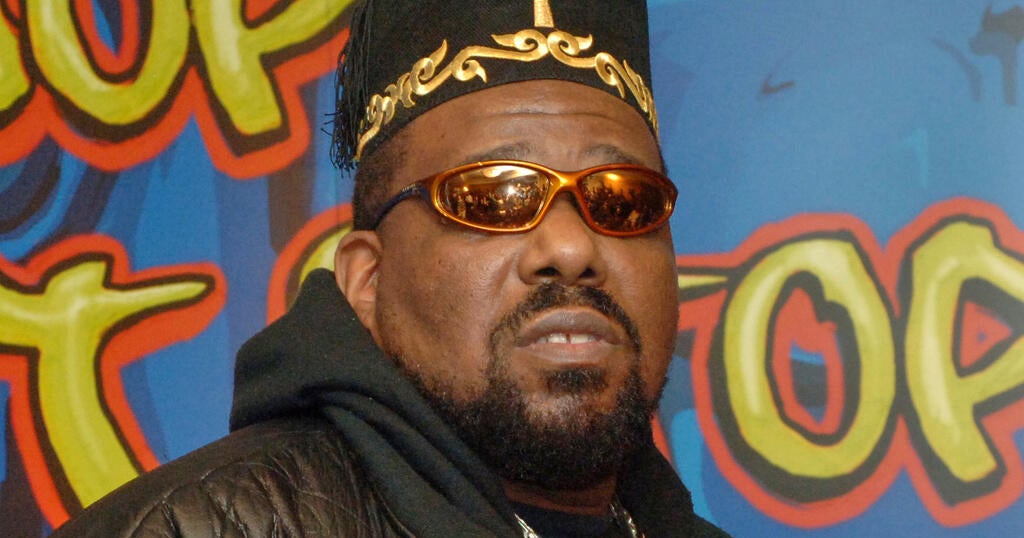

The Complex Legacy of Hip-Hop Pioneer Afrika Bambaataa
A Giant Falls: The End of an Era
The hip-hop world was shaken this week with news that Afrika Bambaataa, one of the genre’s founding fathers, passed away at age 68 from prostate cancer in Pennsylvania. His lawyer confirmed the death on Thursday, sending shockwaves through a global community that has been profoundly shaped by his contributions to music and culture. Born Lance Taylor in 1957 in the South Bronx, Bambaataa’s life and work became inseparable from the story of hip-hop itself. His talent agency, Naf Management Entertainment, captured the sentiment felt by many when they wrote, “Hip Hop will never be the same without him — but everything hip hop is today, it is because of him. His spirit lives in every beat, every cypher and every corner of this globe he touched.” The announcement of his death brought an immediate outpouring of tributes from around the world, with friends, family, and fans acknowledging his undeniable influence on what has become one of the planet’s most popular and politically significant musical forms. Yet even in death, Bambaataa’s legacy remains complicated by serious allegations that emerged in his later years, casting a long shadow over his pioneering achievements.
From the Ashes: Hip-Hop’s Birth in the Bronx
To understand Bambaataa’s impact, one must first understand the world that shaped him. Growing up in the South Bronx during the 1960s and 1970s meant witnessing a neighborhood in crisis. The area was reeling from intensifying racial segregation and years of systematic economic neglect that left it hollowed out and desperate. The situation became so dire that landlords found it more profitable to burn down their own apartment buildings to collect insurance money rather than invest in maintaining them. This abandonment left low-income families—predominantly Puerto Rican and Black residents—trapped in a cycle of poverty with virtually no opportunities for advancement. It was against this backdrop of urban decay and social abandonment that hip-hop was born, not as entertainment alone, but as a lifeline, a form of resistance, and a way for young people to assert their humanity in a society that seemed determined to forget them. Bambaataa, who had Jamaican and Barbadian heritage, was raised by his mother in one of these low-income public housing complexes. His mother’s vinyl record collection became his earliest education in music, exposing him to diverse sounds and rhythms that would later become the foundation of his revolutionary approach to DJing.
The Birth of a Movement: Innovation Through Turntables
In the early 1970s, Bambaataa began hosting parties at community centers throughout the neighborhood, developing a unique style that would help define hip-hop’s sound and ethos. His ability to repurpose and mix old hits became his signature, a skill born partly from necessity and partly from creative genius. In a 1998 interview with Frank Broughton, Bambaataa explained his philosophy: “We was playin’ everything, everything that was funky.” But what truly set him apart was his approach to pacing and energy. While other DJs might play their best records for fifteen or twenty minutes straight, Bambaataa was constantly switching things up, changing tracks every minute or two to maintain maximum energy on the dance floor. He was deeply influenced by Kool Herc, often called the father of hip-hop, but Bambaataa took the blueprint and expanded it in new directions. His popularity exploded throughout the decade and into the 1980s when he released a series of groundbreaking electro tracks that helped shape both the hip-hop and electro-funk movements. His 1982 track “Planet Rock” became a watershed moment in music history, blending electronic music with hip-hop in ways nobody had heard before. Bambaataa was also among the first DJs to use beat breaks and incorporate the now-iconic Roland TR-808 drum machine, a piece of equipment that would become synonymous with hip-hop production for decades to come.
Peace, Love, Unity: Building the Zulu Nation
Beyond his musical innovations, Bambaataa understood that hip-hop could be more than entertainment—it could be a force for social change. Using his connections with the local street gang the Black Spades, he formed what he initially called the Zulu Nation, named after the South African ethnic group that inspired him with their history of resistance and community. His slogan—”peace, love, unity and having fun”—became a rallying cry for a generation, and he consciously used hip-hop’s growing popularity to help resolve gang conflicts that were tearing communities apart. Eventually, he renamed the organization the Universal Zulu Nation to emphasize its inclusive mission, welcoming “all people from the planet earth.” This wasn’t just rhetoric; it represented a genuine vision of hip-hop as a unifying cultural force that could transcend boundaries of race, nationality, and background. Ellis Williams, known as Mr. Biggs and a member of Afrika Bambaataa and Soulsonic Force, eloquently captured this spirit when he wrote, “At the core our music made people feel like they belong to a movement and not a moment, our music offered Hope something positive to believe in, it gave people identity, unity, and a way out.” For young people trapped in circumstances beyond their control, hip-hop provided exactly what Bambaataa intended: a sense of belonging, purpose, and possibility.
Dark Clouds: Allegations That Changed Everything
Despite these monumental contributions, Bambaataa’s legacy became deeply complicated in recent years when multiple men came forward with allegations of sexual abuse dating back to when they were boys. In 2016, Bronx political activist and former music industry executive Ronald Savage publicly accused Bambaataa of abusing him in 1980 when Savage was a young teenager. Speaking to the Associated Press, Savage described feeling both scared and starstruck: “I was scared, but at the same time I was like, ‘This is Afrika Bambaataa.'” He recounted in detail the first encounter and four others that followed, describing experiences that would shape and haunt him for decades. Bambaataa vehemently denied these allegations, but after Savage went public, numerous other men came forward with similar stories, describing patterns of abuse that allegedly occurred over many years. The revelations sent shockwaves through the hip-hop community, forcing difficult conversations about power, silence, and accountability. In June 2016, the Universal Zulu Nation itself released a remarkable public letter apologizing to “the survivors of apparent sexual molestation by Bambaataa.” The organization acknowledged that some members knew about the abuse but “chose not to disclose” it, representing a painful admission of collective failure to protect vulnerable young people. “We extend our deepest and most sincere apologies to the many people who have been hurt,” the organization wrote, attempting to reckon with a truth that contradicted everything the movement claimed to stand for.
Wrestling With a Complicated Legacy
Now, with Bambaataa’s death, the hip-hop community and the wider world must grapple with an incredibly difficult question: how do we honor genuine contributions to art and culture while acknowledging serious harm? This isn’t a simple matter of weighing good against bad or deciding whether someone’s achievements “cancel out” their alleged abuses. Bambaataa’s innovations in music were real—his influence on how hip-hop sounds, how it’s made, and what it means to millions of people cannot be erased. The joy, hope, and community that his music helped create are real. The young people who found identity and purpose through the Zulu Nation’s message of unity were genuinely helped. At the same time, the pain of those who say they were abused is equally real and cannot be minimized or ignored in favor of celebrating his artistic legacy. The men who came forward showed tremendous courage in speaking their truth, especially about someone so powerful and revered within their community. Their voices matter, and their experiences are part of Bambaataa’s story too, whether we’re comfortable with that or not. Perhaps the most honest approach is to hold both truths simultaneously—acknowledging the revolutionary impact of Bambaataa’s musical contributions while also recognizing the serious allegations against him and the harm allegedly caused. This isn’t about finding a neat resolution or reaching a final verdict on whether he was ultimately “good” or “bad.” It’s about accepting that human beings and human legacies are messy, contradictory, and often painful to examine honestly. As hip-hop continues to evolve and reach new generations, Bambaataa’s story serves as a reminder that we must remain committed to the values he claimed to champion—particularly the part about creating safe, supportive communities—even when, or especially when, our heroes fall short of those ideals themselves.