
Federal Judge Blocks Trump Administration’s Attempt to End Protection for Yemeni Immigrants
Court Ruling Halts Deportation Program Termination
In a significant legal setback for the Trump administration’s immigration policies, a federal judge in New York has temporarily blocked the government from ending crucial legal protections for over 2,800 Yemeni nationals currently living and working in the United States. U.S. District Judge Dale Ho issued the ruling on Friday, finding that the Department of Homeland Security likely broke the law when it moved to terminate these benefits earlier this year. The judge sided with 16 Yemeni nationals who either currently hold Temporary Protected Status (TPS) or are in the process of applying for it, ordering that the program remain active while their lawsuit makes its way through the courts. This decision represents a major victory for the Yemeni community in America and raises important questions about how the government can—and cannot—change immigration policies that affect thousands of vulnerable people.
The Legal Problems with the Administration’s Actions
Judge Ho, who was appointed by former President Joe Biden, determined that former Homeland Security Secretary Kristi Noem likely violated federal law by failing to follow the proper procedures that Congress established for reviewing a country’s conditions before ending TPS protections. In his written opinion, the judge was direct in his assessment, stating that the department “acted unlawfully by terminating TPS in clear disregard of the procedural requirements established by Congress.” This wasn’t simply a matter of disagreeing with the policy decision itself, but rather finding that the administration had taken shortcuts and ignored the legal process that lawmakers specifically put in place to ensure such decisions are made carefully and with proper consideration. The judge criticized the process undertaken by DHS as “short-circuited,” noting that it violated both the TPS statute and the Administrative Procedure Act, which is designed to protect public accountability when government agencies make important decisions. This ruling underscores an important principle in American law: even when the government has the authority to make certain policy changes, it must still follow the established legal procedures for doing so.
Yemen’s Dangerous Reality and TPS History
The background of Yemen’s TPS designation tells a story of a country in prolonged crisis. Yemen was first granted TPS status in 2015 during the Obama administration, based on the determination that an ongoing armed conflict made it unsafe for Yemeni nationals to return home. Since then, the deportation protections have been renewed multiple times by administrations from both political parties, including during President Trump’s first term in office. The most recent redesignation came in 2024 and cited continuing civil war and humanitarian crises as the reasons for maintaining the protections. The danger facing Yemen is not a matter of political debate—the State Department currently has a Level 4 travel advisory in place for the country, the highest warning level possible. This advisory explicitly warns Americans not to travel to Yemen because of terrorism, unrest, crime, health risks, kidnapping, and landmines. Given these objective assessments of the country’s dangerous conditions, the decision to end TPS protections raised eyebrows among immigration advocates and legal experts who questioned how the administration could justify sending people back to such an unsafe environment.
The Administration’s Controversial Decision and Its Impact
Despite the documented dangers in Yemen, former Homeland Security Secretary Kristi Noem announced in February that TPS would be terminated for the country. In a federal notice published in March, DHS acknowledged that “Yemen still experiences extraordinary and temporary conditions” but argued that ending the TPS designation was “required because it is contrary to the national interest to permit Yemeni nationals… to remain temporarily in the United States.” This reasoning struck many observers as contradictory—if the country still faces extraordinary conditions, why end the protections? The program was set to expire on May 4, which would have given Yemeni immigrants who were authorized to live and work in the U.S. just 60 days to leave the country or face the risk of arrest and deportation. For many of these individuals, this would have meant upending lives they had built over years, leaving jobs, homes, and in some cases, American-born family members. The judge’s order has now halted that effective date, providing temporary relief to the affected community. Judge Ho made a point of humanizing the people affected by this decision, writing pointedly that “TPS holders from Yemen are not ‘killers, leeches, and entitlement junkies.’ They are ordinary, law-abiding people who have been granted status to be here because the Government has repeatedly determined, in accordance with the TPS statute, that Yemen is subject to an ongoing armed conflict.”
Broader Context: A Sweeping Immigration Policy Change
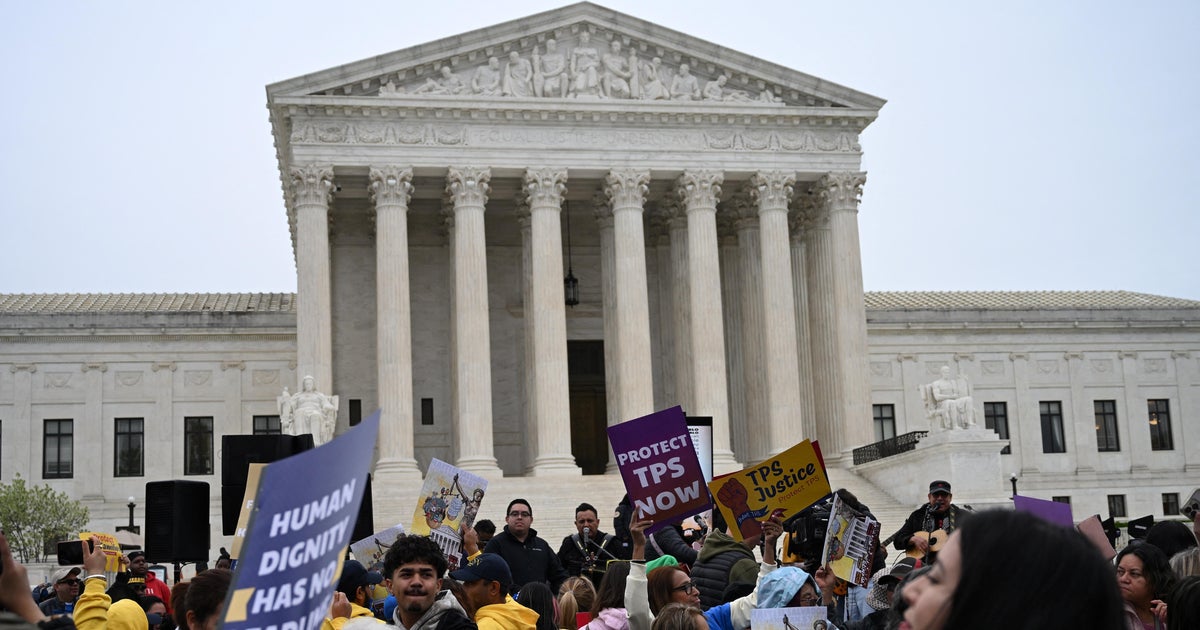
Yemen is far from the only country affected by the Trump administration’s aggressive moves to roll back TPS protections. The administration has revoked TPS for 13 countries in total, representing a sweeping change to immigration policy that affects hundreds of thousands of people. The Supreme Court is currently considering the administration’s effort to eliminate protections for Syria and Haiti and heard arguments in that case just this Wednesday. A decision from the nation’s highest court is expected by the end of June or early July, which could have enormous implications for TPS holders from those countries and potentially set precedents that affect other TPS designations as well. The legal challenges to these terminations are mounting, with courts in multiple jurisdictions examining whether the administration has the authority to end these protections and whether it is following the proper legal procedures when it does so. The outcome of these cases will determine the fate of vulnerable immigrant communities who have been living legally in the United States, often for many years, and who face potentially life-threatening situations if forced to return to their home countries.
Understanding Temporary Protected Status and What Comes Next
To understand what’s at stake in these cases, it’s important to know how the TPS program works. Congress created TPS in 1990, giving the homeland security secretary the power to provide temporary, country-specific relief to foreign nationals who cannot safely return to their home countries because of war, natural disaster, or other “extraordinary and temporary conditions.” The relief is limited to periods of up to 18 months, but the secretary has the authority to extend TPS designations, which is why some countries have maintained this status for many years as their crises have continued. Congress also built in restrictions about who can receive TPS, excluding foreign nationals who have been convicted of a felony or more than one misdemeanor, those who have engaged in drug trafficking, anyone who belongs to a terrorist group, or those whose presence in the U.S. would endanger national security or foreign policy. This means that TPS holders have undergone vetting and background checks, and those with serious criminal histories or security concerns are not eligible for the program. As the legal battles continue, the affected communities live in uncertainty, not knowing whether they will be able to stay in the country where they have built their lives or be forced to return to places where their safety cannot be guaranteed. For now, Judge Ho’s ruling provides temporary protection for Yemeni TPS holders, but the ultimate resolution of their status—and that of TPS holders from other countries—remains to be determined by the courts in the coming months.