
Pentagon Plans Major Troop Withdrawal from Germany Amid Trans-Atlantic Tensions
A Strategic Shift Rooted in Presidential Frustration
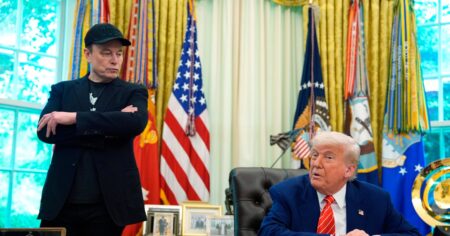
The United States Department of Defense has announced plans to pull approximately 5,000 American military personnel from Germany over the coming months, marking a significant shift in the U.S. military posture in Europe. According to senior defense officials who spoke on Friday, this decision reflects President Trump’s growing dissatisfaction with what he perceives as inadequate support from European allies, particularly Germany, in America’s ongoing military confrontation with Iran. The President has been openly vocal in his criticism of German Chancellor Friedrich Merz and other NATO leaders for their reluctance to become directly involved in U.S. military operations against Iran. This withdrawal represents more than just a military repositioning—it’s a clear diplomatic message that underscores the increasingly strained relationship between Washington and its traditional European partners. The move comes at a particularly sensitive time, as the trans-Atlantic alliance grapples with diverging views on how to handle regional security threats and questions about the future of NATO itself.
The Historical Significance of America’s Military Presence in Germany
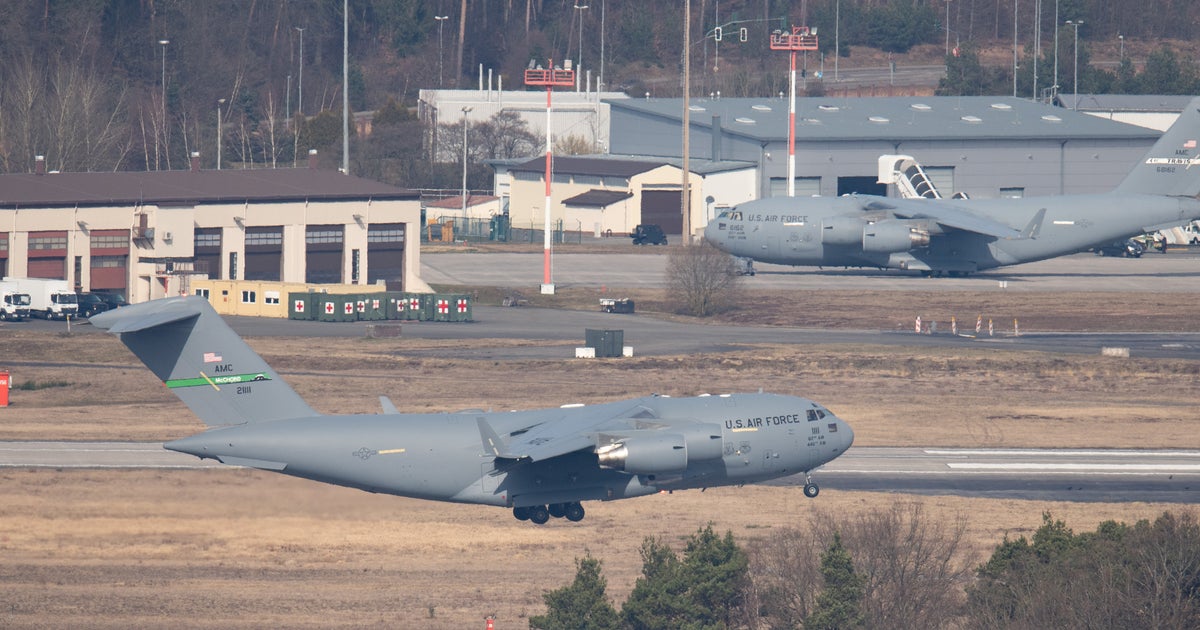
To understand the weight of this announcement, it’s important to recognize just how deeply embedded the American military has been in Germany for generations. The U.S. military presence in the country dates back to the immediate aftermath of World War II and was solidified during the decades-long Cold War standoff with the Soviet Union. As of last December, Germany hosted more than 36,000 active duty American troops stationed across various bases throughout the country, along with nearly 1,500 reservists and approximately 11,500 civilian personnel working for the Defense Department. Only Japan hosts more U.S. military personnel among foreign nations. Germany’s strategic importance to American military operations cannot be overstated—it serves as the headquarters for both U.S. European Command and Africa Command, making it a central nerve center for American military coordination across two continents. Additionally, Ramstein Air Base has functioned as a critical operational hub for U.S. military activities, serving as a vital logistics and command center. The planned withdrawal of 5,000 troops, while substantial, would still leave a significant American military footprint in the country, but it represents a meaningful reduction in this longstanding commitment.
The Mechanics and Timeline of the Withdrawal
Defense officials have provided some details about how this withdrawal will unfold and which units will be affected. The reduction will specifically impact one brigade combat team currently stationed in Germany, a notable reversal considering that the number of such teams in Europe had actually been increased following Russia’s invasion of Ukraine in 2022. That earlier expansion was intended to reassure NATO allies and demonstrate American commitment to European security in the face of renewed Russian aggression. Now, with the focus shifting toward other priorities, that commitment is being scaled back. Additionally, a long-range fires battalion that had been scheduled to deploy to Germany later this year will be reassigned to other locations. According to Chief Pentagon spokesperson Sean Parnell, the withdrawal process will take place gradually over the next six to twelve months, allowing for an orderly transition. Some of the forces being moved out of Europe may return to the United States temporarily before being deployed to other regions abroad, as defense officials described this as part of a broader effort to realign military resources toward what the Pentagon views as priority areas—namely the U.S. homeland and the increasingly important Indo-Pacific region. Officials were careful to note that the withdrawal will not affect operations at Landstuhl Regional Medical Center, the largest American hospital outside U.S. territory, which has been providing critical care to service members injured in Iranian strikes.
The Trump-Merz Clash and Its Diplomatic Fallout
The immediate catalyst for this troop withdrawal appears to be the recent war of words between President Trump and German Chancellor Friedrich Merz. Earlier this week, Merz made public statements that clearly struck a nerve with the American president, saying “the Americans clearly have no strategy” regarding Iran and suggesting that the United States was being “humiliated” by Iranian negotiators. These comments represented an unusually direct criticism from a leader of one of America’s closest allies, and President Trump responded swiftly and sharply. In a pair of posts on his Truth Social platform, Trump fired back that Merz “doesn’t know what he’s talking about” and accused the German leader of “interfering with those that are getting rid of the Iran Nuclear threat.” For his part, Merz attempted to downplay the conflict on Wednesday, stating that he believes he remains on good terms with the American president. However, the public nature of this disagreement has exposed much deeper fissures in the relationship between the United States and its NATO partners. Many European nations have deliberately avoided directly joining America’s military campaign against Iran, wary of being drawn into a wider regional conflict. These same countries have also been dealing with significant economic consequences from the confrontation, including substantially higher energy prices resulting from disrupted fuel shipments. The situation has put European leaders in a difficult position—balancing their long-standing alliance with the United States against their own national interests and the concerns of their citizens.
NATO Under Pressure: Questions About the Alliance’s Future
President Trump’s frustration with NATO extends well beyond the current situation with Iran and Germany. He has threatened to withdraw the United States from the alliance altogether, going so far as to disparage NATO as a “paper tiger” for member states’ unwillingness to enter the war against Iran. Such rhetoric represents a fundamental challenge to an alliance that has been the cornerstone of trans-Atlantic security for over seven decades. It’s worth noting that a law passed in 2023 prevents the president from unilaterally removing the United States from NATO without congressional approval, providing at least some institutional guardrail against such a dramatic move. Trump’s criticism of NATO isn’t new—he has been voicing complaints about the alliance for years, consistently accusing member countries of failing to spend enough on their own defense and being excessively dependent on American military power. He has particularly focused on the fact that many NATO members have historically failed to meet the alliance’s guideline of spending at least 2% of their GDP on defense. In more recent times, the President has also argued that European countries need to take on greater responsibility for supporting Ukraine as it continues to defend itself against the Russian invasion that began in February 2022 and has now passed the four-year mark. From Trump’s perspective, the United States has shouldered a disproportionate burden for European security for too long, and it’s time for allies to step up and take more responsibility for their own defense and regional security challenges.
Historical Context and What Lies Ahead
This isn’t the first time President Trump has considered reducing the American military presence in Germany. Toward the end of his first term in office, he floated similar plans to withdraw thousands of troops from the country, a proposal that raised concerns among defense strategists and European allies alike. That planned withdrawal was ultimately cancelled by former President Joe Biden when he took office, reflecting the traditional bipartisan consensus on the importance of maintaining strong U.S. commitments to European security. Now, in what is presumably Trump’s second term, he is reviving this initiative, suggesting a more sustained commitment to reshaping America’s global military posture. The implications of this withdrawal extend far beyond the immediate impact on U.S.-German relations. It raises fundamental questions about the future of American engagement in Europe, the durability of NATO as a military alliance, and how the United States will balance competing global priorities in an increasingly complex security environment. For Germany and other European nations, this moment may serve as a wake-up call about the need to develop greater military self-sufficiency and reduce dependence on American security guarantees that can no longer be taken for granted. As the withdrawal unfolds over the coming months, military planners, diplomats, and political leaders on both sides of the Atlantic will be watching closely to see whether this represents a temporary adjustment or the beginning of a more fundamental transformation in the trans-Atlantic security relationship that has defined the post-World War II era.