
U.S. Airports Rally to Support Unpaid Federal Workers During Government Shutdown
A Growing Crisis for Federal Employees
The United States is experiencing a significant partial government shutdown that began on February 14th, marking nearly a month of uncertainty and financial hardship for thousands of federal workers across the country. Transportation Security Administration (TSA) employees and other federal staffers find themselves in an increasingly difficult position as they continue reporting to work despite not receiving their paychecks. This weekend marked a particularly painful milestone as these dedicated workers missed their first paycheck since the shutdown began, forcing many to make impossible choices between paying rent, buying groceries, and meeting other basic necessities. The situation has become so dire that many TSA employees have been forced to seek assistance from food pantries, while others have scrambled to find side jobs just to keep their families afloat during this period of government dysfunction.
Airport Communities Step Up to Help
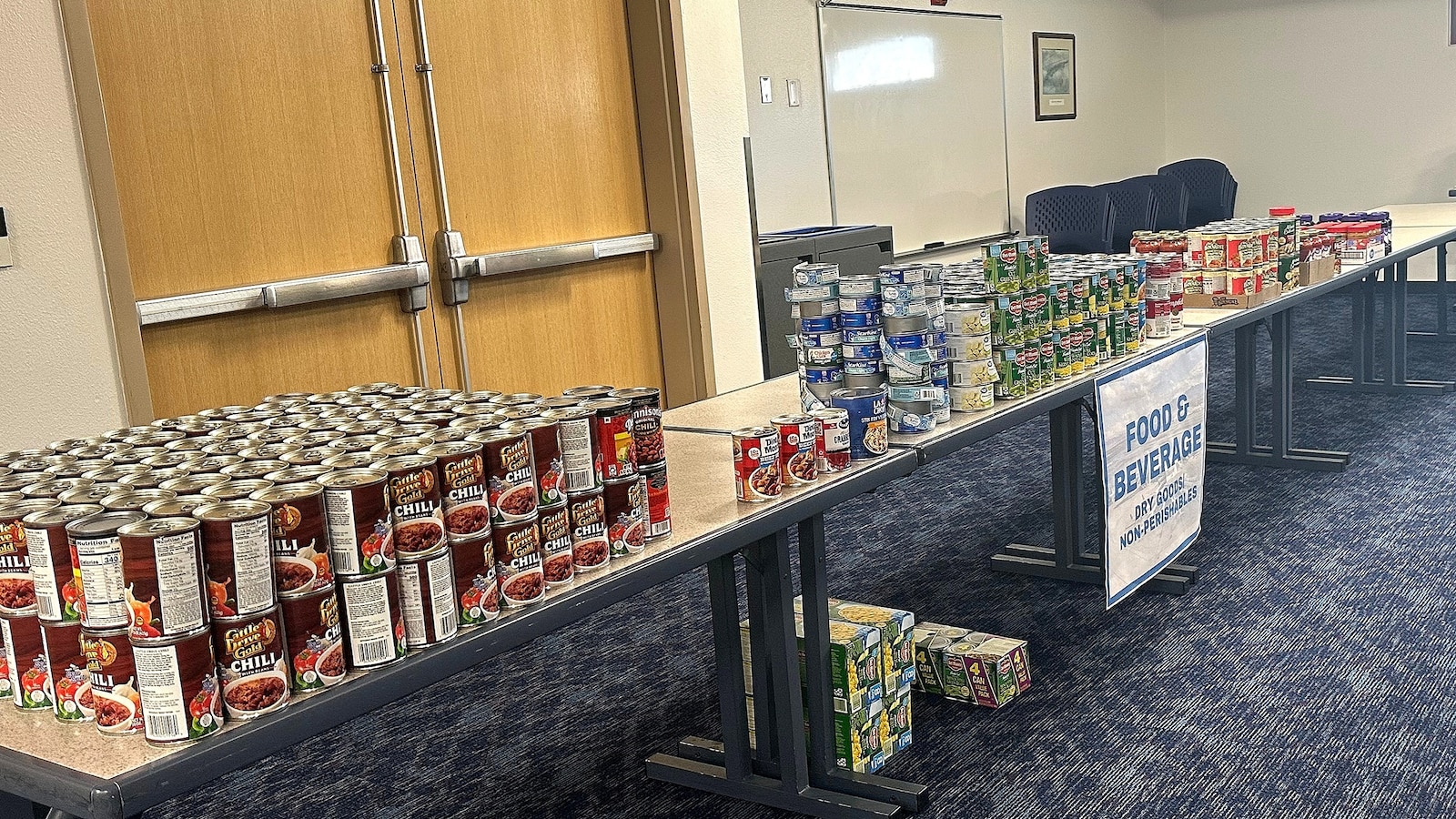
In response to this crisis, airports across the United States have mobilized to support their federal workers, recognizing that these employees are essential to maintaining safe and efficient air travel for millions of Americans. Harry Reid International Airport in Las Vegas took early action by reopening its Food & Essentials Pantry specifically to benefit federal workers going without pay. Clark County Director of Aviation James C. Chrisley expressed confidence in the community’s generosity, referencing the success of a similar initiative during the previous government shutdown that occurred in October and November 2025, which was the longest in American history. “Las Vegas stepped up in a powerful way then, and we know it will rise to the occasion once again to support the men and women who keep our airport running safely,” Chrisley stated, emphasizing the community’s commitment to taking care of those who serve them daily.
Denver International Airport in Colorado joined the effort by launching a public appeal for donations through social media. Phil Washington, the airport’s CEO, specifically highlighted the timing of this crisis, noting that TSA employees are facing financial hardship during one of the busiest travel periods of the year. “TSA employees just missed their first paycheck, and as we enter a busy Spring Break travel period, we want to do what we can to ease the stress of this moment,” Washington explained. The airport issued a call to action for passengers, airport employees, and the general public to donate grocery store and gas gift cards, recognizing that these practical contributions could provide immediate relief to workers struggling to afford basic necessities like food and transportation to their jobs.
Nationwide Network of Support
The movement to support unpaid federal workers has expanded to include airports across multiple states, demonstrating a nationwide recognition of the crisis facing these essential employees. Orlando International Airport in Florida, Cleveland Hopkins International Airport in Ohio, Reno-Tahoe International Airport in Nevada, and Seattle-Tacoma International Airport in Washington have all established their own donation drives and support programs. In New York City, the Port Authority of New York and New Jersey partnered with City Harvest, a food-focused nonprofit organization, to create targeted donation drives for workers at two of the nation’s busiest airports. The initiative set up distribution events at John F. Kennedy International Airport and LaGuardia Airport, providing crucial support to workers at these major transportation hubs. The results have been impressive: City Harvest reported that it has already distributed 14,000 pounds of food to 644 households, offering a lifeline to families struggling to maintain their standard of living while breadwinners continue working without compensation.
Personal Stories from the Front Lines
The human impact of this shutdown is perhaps best illustrated by the experiences of workers like Joseph Cerletti, a TSA employee at Oakland International Airport in California who also serves as an assistant chief of the American Federation of Government Employees Local 1260 union. Cerletti shared with ABC News that he, his wife, and their three children now depend entirely on food provided by the airport pantry to meet their basic needs. “Oakland airport, they have some sort of food bank that’s donating food towards the officers. So, we can feed the kids and stuff, but it’s food pantry food — canned food, vegetables, fruit, macaroni and cheese. It’s a grind right now,” Cerletti explained, painting a stark picture of how quickly financial stability can crumble when paychecks stop arriving. Beyond the personal hardship, Cerletti also highlighted the deteriorating morale among his colleagues and the operational challenges that have resulted. Many TSA workers have been calling out sick, unable or unwilling to continue working without pay, which has created staffing shortages that have led to hourslong security lines at some airports in recent days, affecting countless travelers and adding stress to an already strained system.
Political Stalemate and Looking Forward
The underlying cause of this crisis remains a bitter political impasse in Congress, where lawmakers continue trading blame while federal workers bear the consequences of their inability to reach a compromise. Republicans have pushed back against a Democratic proposal to fund federal agencies within the Department of Homeland Security while making exceptions for Immigration and Customs Enforcement and Customs and Border Protection. Meanwhile, Democrats have blocked Republican efforts to reopen the Department of Homeland Security, arguing that GOP proposals fail to adequately curtail immigration enforcement tactics and protect American citizens. As these political battles continue in Washington, workers like Cerletti feel increasingly powerless. “We are powerless. We can’t control the politicians that are holding the government in a shutdown,” he told reporters. “The only thing we can do is, as a union representative, come to the media and make the American public aware of what the TSA officers are going through.” Despite the hardship and frustration, Cerletti emphasized that TSA officers remain committed to their crucial mission of preventing another terrorist attack like the one that occurred on September 11th, 2001. “[TSA officers’ job is] to prevent another 9/11-style attack, and they will continue to do so proudly. But it won’t be easy,” he said, acknowledging both the dedication of these workers and the unsustainable nature of expecting them to perform this vital security function without compensation indefinitely. As the shutdown continues with no clear end in sight, the generosity of airport communities and nonprofit organizations provides essential support, but ultimately cannot replace the need for Congress to resolve its differences and restore regular pay to these hardworking federal employees who protect American travelers every single day.