


The Capture of Sebastian Marset: A Drug Lord’s Fall From Power
From Soccer Fields to Federal Court
Sebastian Marset, a 34-year-old Uruguayan national who once styled himself as the “King of the South,” has finally faced the beginning of his legal reckoning in the United States. On Monday, this alleged mastermind of a massive international cocaine trafficking operation made his first appearance in a U.S. federal court after being captured in Bolivia and extradited to American custody. For years, Marset had successfully evaded law enforcement across multiple continents, living a life that seemed torn from a Hollywood script—complete with luxury assets, international soccer teams, and a drug empire that allegedly moved tons of cocaine from South America to Europe. His capture marks a significant victory for international law enforcement cooperation and represents another chapter in the ongoing battle against transnational organized crime. The man who once lived freely, moving between countries and even playing in professional soccer matches, now faces up to 20 years in federal prison on money laundering conspiracy charges connected to his alleged cocaine trafficking organization.
A Criminal Empire Built on Cocaine
The scope of Sebastian Marset’s alleged criminal enterprise is staggering by any measure. According to the Drug Enforcement Administration (DEA) and an unsealed indictment in the Eastern District of Virginia, Marset led a large-scale drug trafficking organization believed to be responsible for moving thousands of pounds of cocaine across continents and generating tens of millions of dollars in illicit proceeds. His operation wasn’t confined to one region or even one hemisphere—court documents reveal that his organization allegedly trafficked cocaine through an extensive network spanning Bolivia, Paraguay, Uruguay, Brazil, Belgium, the Netherlands, Portugal, and beyond. The criminal sophistication was equally impressive, with shipments of cocaine cleverly concealed in seemingly innocent cargo such as cookies and soybeans, all stamped with Marset’s grandiose signature: “The King of the South.” The U.S. government considered him dangerous enough to place a $2 million bounty on his head, marking him as one of the most wanted fugitives in the Western Hemisphere. His reputation as the most notorious drug baron in southern South America was well-earned, built on years of successfully evading capture while expanding his criminal operations across multiple countries and continents.
The Soccer Connection: Laundering Money Through the Beautiful Game
Perhaps the most unusual aspect of Marset’s criminal career was his method of money laundering—purchasing and sponsoring lower-level professional soccer teams across Latin America and Europe. This wasn’t just a business investment for the alleged drug lord; it was a personal passion that allowed him to live out a fantasy while simultaneously cleaning his dirty money. According to a 2024 Washington Post profile, Marset paid $10,000 in cash for the privilege of wearing the number 10 jersey during his teams’ games—the same iconic number worn by football legends Pelé, Diego Maradona, and Lionel Messi. He didn’t just own these teams from afar; he actually put himself in the starting lineups, playing alongside professional athletes while running a multi-million dollar drug empire behind the scenes. This bizarre blend of criminal enterprise and sports obsession demonstrates both the enormous wealth generated by international drug trafficking and the psychological profile of a man who seemed to crave not just money and power, but also recognition and the ability to imitate his sporting heroes. The soccer investments served a dual purpose—they provided a seemingly legitimate business to explain his wealth while also satisfying his personal vanity and love of the sport.
A Criminal Career Spanning Continents
Marset’s journey into the upper echelons of international drug trafficking didn’t happen overnight. He first encountered the criminal justice system between 2013 and 2018, when he was imprisoned in his native Uruguay for drug trafficking offenses. Rather than deterring him from a life of crime, this incarceration apparently served as something of a criminal education, after which he emerged more ambitious and better connected. Following his release, Marset moved around South America strategically, living for periods in Bolivia and Paraguay—countries that would become crucial nodes in his trafficking network. His ability to operate across multiple jurisdictions demonstrated both his connections and his understanding of how to exploit gaps in international law enforcement cooperation. For years, he successfully stayed one step ahead of authorities, using his wealth to maintain a mobile lifestyle and his intelligence to avoid the mistakes that brought down many of his contemporaries in the drug trade. He had been on the run since July 2023, when he fled his home in Santa Cruz, Bolivia, on the eve of a massive police operation designed to capture him, demonstrating the quality of his intelligence network that could warn him of impending law enforcement action.
The Capture and Its Aftermath
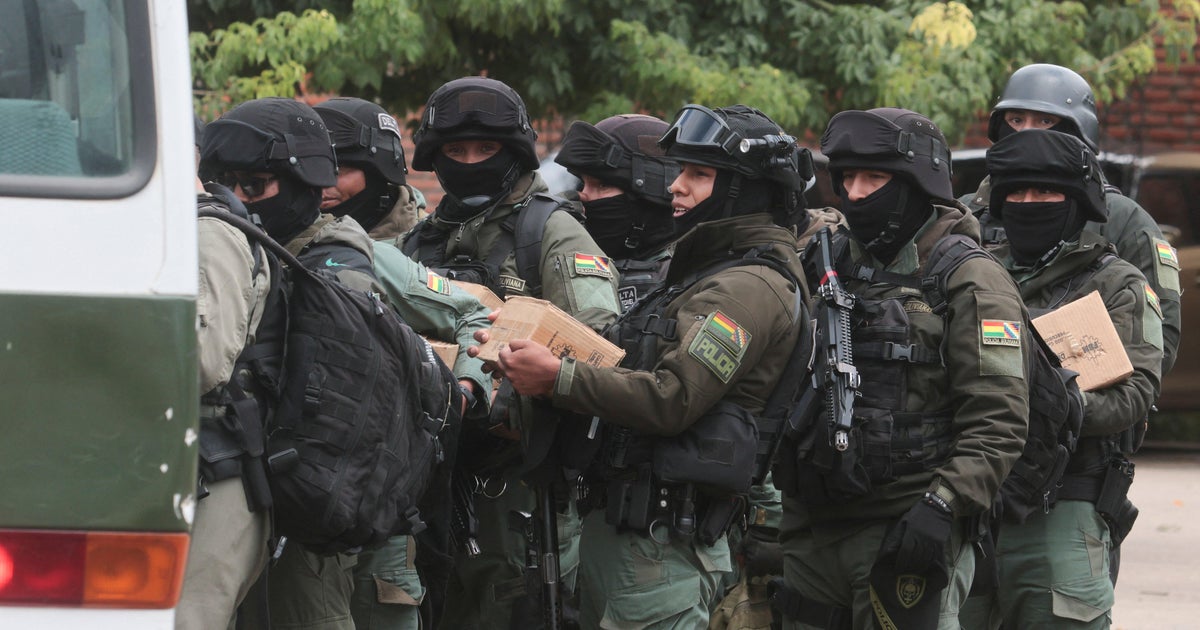
When Bolivian authorities finally apprehended Marset last week, it represented the culmination of years of international police work and cooperation between multiple countries and agencies. Bolivia’s center-right President Rodrigo Paz personally thanked “international organizations from various neighboring countries and the continent” for their cooperation in the operation, highlighting the multinational effort required to bring down a criminal of Marset’s caliber. The timing of the capture is significant in the context of Bolivia’s political landscape—President Paz has actively sought to boost ties with the United States since winning office in elections that ended two decades of socialist rule begun under Indigenous coca farmer Evo Morales. This cooperation on drug enforcement issues represents a concrete manifestation of that improved relationship. The seizure of Marset’s assets provides a glimpse into the wealth accumulated through his alleged criminal activities. Bolivian authorities announced on Monday the seizure of approximately $15 million in assets, including 16 planes, five houses, and firearms—a portfolio that speaks to both the profitability of the cocaine trade and Marset’s need for mobility and protection. His close associate, Federico Ezequiel Santoro Vassallo, had already been sentenced to 15 years in prison by a U.S. court in July after pleading guilty to money laundering, and federal prosecutors noted that “Santoro and, allegedly, Marset threatened violence to protect their drug-trafficking and money laundering activities,” indicating that the organization’s operations weren’t maintained solely through business acumen but also through intimidation and force.
The Broader War on Drugs
Marset’s capture comes at a particularly significant moment in the ongoing international effort to combat drug trafficking. His arrest occurred just weeks after another major victory for law enforcement—the killing of notorious cartel leader Nemesio Rubén Oseguera Cervantes, known as “El Mencho,” during a military operation in Mexico. El Mencho had carried an even larger $15 million U.S. bounty on his head and was killed in a military shootout, demonstrating the sometimes violent conclusion to these manhunts. These back-to-back successes represent significant wins for international drug enforcement, removing two major players from the global cocaine trade. However, they also highlight the ongoing challenge facing authorities worldwide. The cocaine trade continues to flourish, with Bolivia now ranking as the world’s third-largest producer of cocaine, which is manufactured from coca leaves. The arrest of individual traffickers, no matter how significant, rarely disrupts the trade for long, as new players typically emerge to fill the vacuum. Nevertheless, each successful prosecution serves multiple purposes—it disrupts existing networks, seizes substantial assets that might otherwise fuel further criminal activity, and sends a message to other traffickers that international borders provide no ultimate sanctuary from justice. As Marset now faces the possibility of up to 20 years in federal prison if convicted of money laundering conspiracy, his case will be watched closely by both law enforcement officials and criminal organizations worldwide as a measure of international cooperation’s effectiveness in combating transnational organized crime.