


Americans Face Unprecedented Financial Anxiety as Cost of Living Soars
A Nation Under Financial Strain
For the first time since tracking began over two decades ago, more than half of all Americans—a staggering 55%—report that their financial situation is getting worse, not better. This sobering statistic comes from a recent Gallup poll that paints a concerning picture of economic anxiety spreading across the country. What makes this particularly alarming is that Americans today feel more financially insecure than they did during some of the most challenging economic periods in recent memory, including the uncertainty of the COVID-19 pandemic in 2020 and even the devastating Great Recession of 2008. The poll, which gathered responses from just over 1,000 adults during the first half of April, reveals that everyday Americans are struggling with basics—paying monthly bills, keeping up with credit card payments, and simply making ends meet. This isn’t just about numbers on a spreadsheet; it’s about real people lying awake at night wondering how they’ll afford groceries, gas, and everything else that keeps going up in price while their paychecks stay the same.
The Perfect Storm of Rising Costs
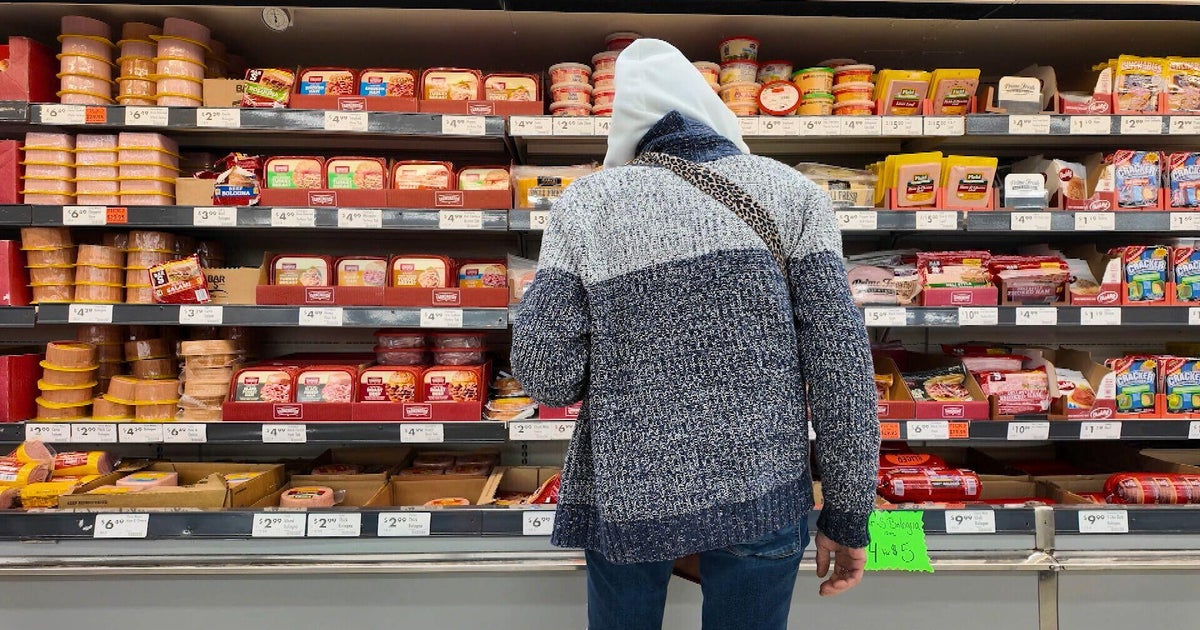
While recent spikes in gasoline prices following the Iran conflict that began in February have certainly added fuel to the fire of public frustration, Gallup’s research shows this problem has been brewing for much longer. Americans have been watching costs climb steadily across virtually every aspect of their lives for years now. Healthcare bills that seem to multiply with each doctor’s visit, college tuition that increases faster than families can save, housing costs that put homeownership out of reach for many—these aren’t new problems, but they’ve reached a critical point. According to the survey findings, affordability issues absolutely dominate what keeps Americans up at night financially. When you add up all the concerns about inflation, energy costs, housing expenses, healthcare bills, college tuition, transportation, and childcare, these affordability worries dwarf every other type of financial concern people mentioned. About 55% of those surveyed said recent price increases have caused them genuine financial hardship—not just inconvenience, but real difficulty managing their household budgets. Particularly noteworthy is that 13% specifically mentioned rising oil and gas prices as a major concern, representing a 10 percentage point jump from just one year earlier. As Elizabeth Renter, a senior economist at NerdWallet, explained to CBS News, these aren’t expenses people can easily avoid or cut back on—Americans experience these prices constantly because they’re largely necessities. You can’t simply stop driving to work or heating your home, which makes the rising costs feel inescapable and particularly burdensome.
The Gas Price Pressure Cooker
The pain at the pump has become especially acute, with gas prices hitting their highest levels since the Iran conflict began. In just one day, the average price jumped 7 cents to reach $4.18 per gallon, according to AAA’s tracking. For many families, this translates to an extra $50 to $100 or more each month just to maintain their normal routines—commuting to work, taking kids to school, running essential errands. When you’re already stretching every dollar, that kind of increase can be the difference between making it to the next paycheck or not. The unpredictability makes it even worse. As Renter pointed out, it’s not just the high prices themselves but the uncertainty about how long this inflation will continue that makes consumers’ outlooks so bleak. People can sometimes adjust to a higher cost of living if they know it’s the new normal, but when prices seem to jump every week with no clear end in sight, it becomes nearly impossible to plan or budget effectively. Families find themselves playing a constant game of financial Tetris, trying to fit all their necessary expenses into budgets that simply don’t stretch far enough anymore.
Long-Term Fears: Retirement and Education
Beyond the immediate stress of covering this month’s bills, Americans are also expressing deepening anxiety about long-term financial security. The Gallup poll found that approximately 62% of respondents—nearly two-thirds of those surveyed—said they fear not having enough money for retirement, an increase of 3 percentage points from the previous year. While retirement security has always been a concern for working Americans, the current cost-of-living crisis has amplified these worries significantly. People are watching their purchasing power erode in real-time and wondering how they can possibly save enough for a retirement that could last 20 or 30 years when they can barely afford their lives right now. This fear has become so pronounced that according to a 2026 retirement study by the Allianz Center for the Future of Retirement, a remarkable 67% of Americans say they’re more worried about running out of money than about dying itself. Let that sink in for a moment—more people fear financial destitution in their final years than they fear death. That percentage has climbed 10 points from just a year earlier, showing how rapidly these anxieties are intensifying. Similarly, parents are increasingly stressed about funding their children’s college educations as tuition costs continue their relentless climb, creating impossible choices between saving for their own retirement and helping their kids avoid crushing student debt.
The Credit Card Tightrope
The financial squeeze is also showing up clearly in how Americans manage their credit card debt. Gallup’s survey revealed that 28% of respondents are worried about making even the minimum payments on their credit cards—up 2 percentage points from last year and a substantial 11 percentage points higher than 2021. This trend is particularly concerning because it suggests that an increasing number of households are operating with absolutely no financial cushion. When you’re worried about making minimum payments, you’re essentially one emergency away from financial crisis. A car repair, a medical bill, or even just a slightly higher-than-expected utility bill could push someone from barely managing to falling behind. Credit cards often serve as an emergency fund for families without savings, but when inflation drives up the cost of everyday necessities like gas and groceries, those credit cards get maxed out just covering normal living expenses. As NerdWallet’s Elizabeth Renter aptly summarized, “A tight budget can become unmanageable fairly quickly when things like gas and groceries get more expensive.” What was barely working last month suddenly doesn’t work this month, and the financial dominoes start falling.
The Human Cost of Economic Anxiety
Behind all these statistics are real people making difficult decisions every single day. Parents choosing between filling their gas tank and buying fresh vegetables for dinner. Young professionals postponing starting families because they can’t imagine adding childcare costs to budgets already stretched thin. Seniors delaying retirement because their savings won’t cover the rising cost of healthcare. Workers staying in jobs they hate because they can’t afford the risk of changing careers. This level of financial stress takes a serious toll on mental health, relationships, and overall quality of life. The anxiety doesn’t stay neatly contained in the “finance” box—it spills over into every aspect of people’s lives, affecting their sleep, their health, their relationships, and their sense of security and hope for the future. What makes this moment particularly challenging is that many Americans have already cut back on discretionary spending, eliminated luxuries, and trimmed their budgets to the bone. There simply isn’t much left to cut without sacrificing true necessities. The combination of immediate pressures—like record gas prices and grocery bills—with long-term anxieties about retirement and education costs creates a sense of being trapped, with no clear path to financial stability. As this record-breaking level of financial pessimism shows, more Americans than ever feel like they’re losing ground despite working hard and doing everything “right,” and that realization is both frightening and deeply frustrating for millions of families across the country.