

Major Snack Food Recall: What You Need to Know About Salmonella Contamination
Understanding the Recall and Its Scope
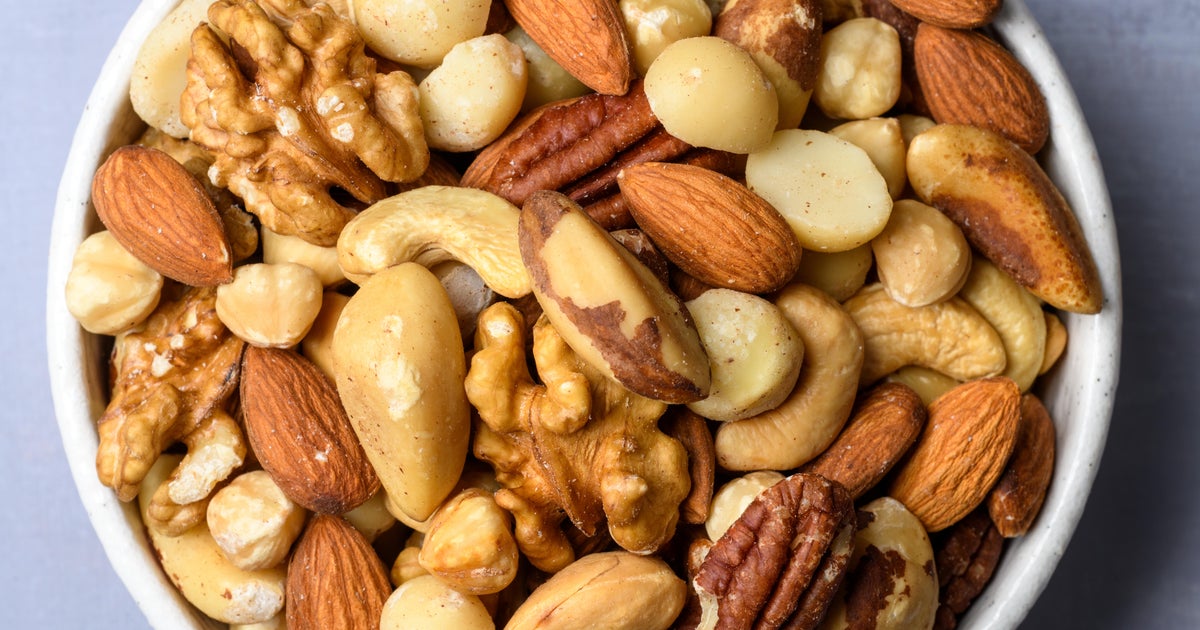
A significant food safety alert has been issued by an Illinois-based snack manufacturer, John B. Sanfilippo and Son, prompting concerns for consumers across the United States. The company has voluntarily recalled multiple snack products after discovering that they contain a potentially contaminated ingredient. According to an official notice published by the Food and Drug Administration (FDA), the recall affects various nut mixes and corn-based snack products that may have been exposed to salmonella bacteria. The products in question were distributed under several popular brand names that many American households recognize and trust, including Southern Style Nuts, Fisher, Squirrel Brand, and Target’s house brand, Good & Gather. These items were made available to consumers through multiple retail channels, including physical stores, online retailers, and even through the QVC shopping network, making the reach of this recall particularly widespread. The scope of this recall highlights the interconnected nature of our modern food supply chain and how a single contaminated ingredient can affect numerous products across multiple brands and retail outlets.
The Source of Contamination
The root cause of this recall traces back to a specific ingredient used in the manufacturing process: dry milk powder. This particular batch of milk powder had been previously recalled by its supplier, California Dairies, another food company based on the West Coast. What makes this situation somewhat unusual, and perhaps less alarming than it could have been, is that the seasoning containing this milk powder actually tested negative for salmonella before John B. Sanfilippo and Son incorporated it into their snack products. Despite these negative test results, the company made the decision to issue a recall anyway, describing their action as a “precautionary measure.” This conservative approach to food safety demonstrates the company’s commitment to consumer protection, even in the absence of confirmed contamination in their finished products. The decision to recall products that tested clean but contained a previously recalled ingredient shows an abundance of caution that prioritizes customer safety over potential financial losses. This proactive stance is particularly important given the serious health consequences that salmonella infections can cause, especially among vulnerable populations who may be more susceptible to foodborne illnesses.
What Is Salmonella and Why Is It Dangerous?
For those unfamiliar with this particular health threat, salmonella is a type of bacteria that causes a disease commonly spread through contaminated food or water. When someone consumes food or beverages contaminated with salmonella, they can develop an infection that ranges from uncomfortable to life-threatening, depending on various factors including the person’s age and overall health status. The bacteria is particularly notorious in the food safety world because it can survive in many different environments and food products, making it a persistent challenge for food manufacturers and health authorities alike. While many healthy adults who contract salmonella may experience unpleasant but ultimately manageable symptoms, the infection poses a much more serious threat to certain vulnerable groups. Young children, whose immune systems are still developing, face significant risks from salmonella infections. Pregnant women are another high-risk group, as the infection can potentially affect both the mother and the developing baby. Older adults, whose immune systems may have weakened with age, can experience severe complications from what might be a mild illness in a younger person. Additionally, people with compromised immune systems—whether due to medical conditions, treatments like chemotherapy, or medications that suppress immune function—are at heightened risk for serious and potentially fatal infections from salmonella exposure.
The Specific Products Affected
Among the recalled products, one item that has garnered particular attention is the Good & Gather Mexican Street Corn Trail Mix, which was exclusively sold at Target stores. This trendy snack was designed to capture the flavors of elote, the popular Mexican street food featuring corn seasoned with various spices and dairy products. The appeal of this particular product to health-conscious snackers and those looking for interesting flavor combinations means it likely found its way into many households. The other affected products, sold under the Fisher, Southern Style Nuts, and Squirrel Brand names, represent traditional snack mix varieties that have been pantry staples for many American families for years. These products were distributed through a wider variety of retail channels, including traditional grocery stores, specialty food shops, online marketplaces, and QVC, the television shopping network that has long been a popular source for food products among certain consumer demographics. The diversity of brands and retail channels involved in this recall means that consumers need to be particularly vigilant in checking their pantries and snack supplies, as they may have purchased these products without realizing they all came from the same manufacturer.
What Consumers Should Do Now
If you’ve recently purchased any snack mixes, particularly those sold under the brands mentioned in this recall, the FDA has issued clear guidance on what steps you should take. First and most importantly, do not consume these products. Even though the finished products tested negative for salmonella and the recall is precautionary, the potential risk simply isn’t worth taking, especially if you have young children, elderly family members, pregnant women, or anyone with a compromised immune system in your household. The FDA recommends that consumers who have purchased any of the affected items should return them to the store where they made the purchase. Retailers are expected to provide either a full refund or a replacement product for any recalled items. You typically don’t need to have your receipt to return recalled products, as most stores will accept them based on the recall notice alone, though having your receipt may speed up the process. It’s also worth checking your pantry thoroughly, as these types of snack mixes are often purchased and then stored for weeks or even months before being consumed. Look at the product labels carefully, comparing them against the list of recalled items provided by the FDA. If you’re unsure whether a product you have is part of the recall, it’s better to err on the side of caution and either return it or contact the manufacturer directly for clarification.
The Bigger Picture: Food Safety in America
This recall, while concerning, is actually an example of the food safety system working as it should. The fact that California Dairies identified a problem with their milk powder and issued a recall, which then prompted John B. Sanfilippo and Son to take precautionary action with their products, shows the kind of vigilance and communication that protects public health. The food supply chain in the United States is incredibly complex, with ingredients often passing through multiple companies before reaching consumers in finished products. This complexity means that food safety requires constant attention, testing, and communication between all parties involved. The FDA’s role in coordinating and publicizing these recalls ensures that information reaches consumers quickly, allowing them to take appropriate action to protect themselves and their families. For consumers, recalls like this one serve as an important reminder to stay informed about food safety issues, to register products when possible so manufacturers can contact you directly about recalls, and to take recall notices seriously even when the risk may seem low. While it’s impossible to eliminate all risk from our food supply, the system of testing, monitoring, and voluntary recalls by responsible manufacturers provides important protections. The precautionary approach taken in this case—recalling products that tested clean but contained a previously recalled ingredient—demonstrates that many food companies prioritize consumer safety over short-term financial considerations, which should provide some reassurance even as we remain vigilant about the foods we bring into our homes.