


Devastating Tornadoes Tear Through Mississippi: A Night of Terror and Survival
A State Under Siege: When Nature’s Fury Struck Without Warning
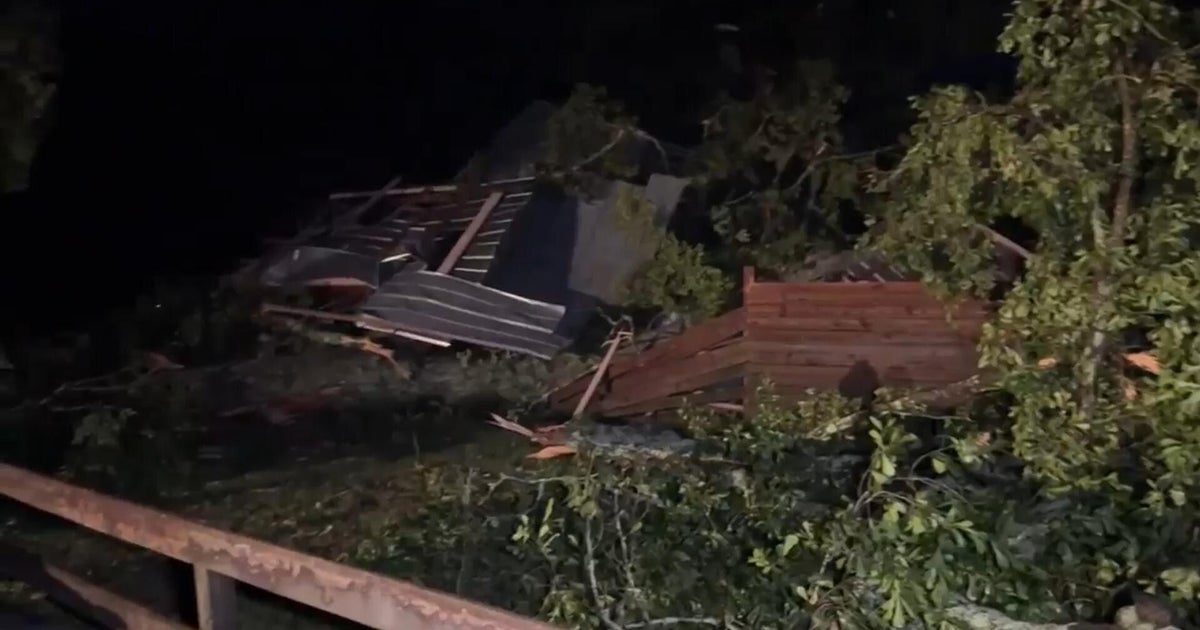
Wednesday night brought unimaginable devastation to Mississippi as destructive storms unleashed their fury across the state, spawning at least 14 reported tornadoes that left communities shattered and families desperately searching for loved ones. The violent weather system tore through central and western portions of the state with little warning, transforming what should have been an ordinary evening into a nightmare that residents won’t soon forget. Among the most heartbreaking stories emerging from the chaos was the report of a 1-year-old child who went missing during the storms in Lincoln County, according to emergency responders speaking with CBS affiliate WJTV. As dawn broke on Thursday, at least 17 people had been confirmed injured to varying degrees, though officials feared those numbers would climb as assessment teams reached more isolated areas. The storms didn’t discriminate in their destruction—they collapsed hundreds of homes like houses of cards, uprooted massive trees that had stood for generations, and knocked out power lines across multiple counties, plunging thousands into darkness. In the town of Tylertown, witnesses described the horrifying moment when lightning struck a home, which then became completely engulfed in flames, the fire consuming everything the family had built.
Stories of Survival: Ordinary People Facing Extraordinary Circumstances
The human stories emerging from this disaster paint a picture of both terror and resilience that will resonate with anyone who has ever felt vulnerable in the face of nature’s power. In Lincoln County, falling trees became deadly projectiles, with one splitting a car in half and others trapping terrified residents at a mobile home park in the small, tight-knit community of Bogue Chitto. Max Mahaffey, a local resident, shared his surreal experience with WAPT-TV in words that captured the suddenness and disbelief that characterize such traumatic events. “I was just watching TikTok on my bed and thought it was thunder,” he recounted, his voice still carrying traces of shock. The mundane normalcy of scrolling through social media one moment contrasted starkly with what happened next. “I went to my living room. I went back to my room, and the room’s gone,” he said, struggling to process how quickly his safe space had been literally ripped away from him. Mahaffey considered himself fortunate—he escaped without injury—but the storm didn’t spare everyone in his family and neighborhood. His grandmother hurt her ankle during the chaos, and several neighbors suffered cuts and bruises as they scrambled for safety amid flying debris and collapsing structures. These personal accounts remind us that behind every statistic and damage assessment are real people whose lives have been forever changed in a matter of minutes.
The Monster Tornado: A Force of Nature That Defied Description
The National Weather Service, the agency responsible for tracking and warning the public about severe weather, issued stark warnings about one tornado in particular that meteorologists described as “a very large and dangerous tornado.” This massive twister carved a destructive path from eastern Lincoln County into neighboring Lawrence County, and those who witnessed it described a sight that seemed almost apocalyptic in nature. Tornadoes are measured by their destructiveness using the Enhanced Fujita Scale, and while official confirmation and rating of this particular tornado was still pending as of Thursday morning, the widespread devastation it left in its wake suggested a powerful and long-lived storm. Residents who had lived in Mississippi their entire lives, people who had weathered countless severe weather events, said this storm felt different—more intense, more frightening, more personal. The tornado’s path could be traced not just by meteorological data but by the trail of destroyed homes, businesses, and lives it left behind. Trees that had stood for decades were twisted and snapped like toothpicks. Homes that represented years of mortgage payments and family memories were reduced to piles of splintered wood and twisted metal. The landscape itself seemed transformed, as if a giant hand had reached down and rearranged everything without care or mercy.
Leadership in Crisis: A Governor’s Plea and Emergency Response
Governor Tate Reeves, faced with one of the most significant natural disasters of his tenure, took to social media to both inform the public and make an emotional appeal that resonated far beyond Mississippi’s borders. “Pray for Mississippi,” he posted online, a simple yet profound message that acknowledged both the severity of the situation and the need for support from a wider community. Reeves confirmed that multiple tornadoes had been reported throughout the central and western parts of the state, painting a picture of widespread devastation rather than isolated incidents. Behind the scenes, the state Emergency Management Agency had already begun coordinating response efforts, mobilizing resources and personnel to the hardest-hit areas. This coordination involved not just state resources but also reaching out to federal agencies and neighboring states for assistance. Emergency officials in Lincoln County provided updates throughout the night and into the early morning hours, walking a delicate line between keeping the public informed and not causing additional panic. Their assessment confirmed what many feared: the severe weather had caused major damage and resulted in several injuries. However, they also delivered one piece of relatively good news—as of their latest update, no deaths had been confirmed, though officials cautioned that damage assessments were still ongoing and the situation remained fluid.
The Aftermath: Navigating a Changed Landscape
As Thursday morning dawned, the full scale of the devastation began to come into focus, revealing a landscape dramatically altered by a single night of storms. The Lincoln County emergency management department posted an urgent message on social media, highlighting the challenges facing both survivors and responders: “Damage assessments are ongoing, there are multiple roads blocked in the county we ask that you please refrain from sightseeing as crews are working.” This plea reflected a common problem in disaster aftermath—well-meaning but ultimately unhelpful curiosity seekers who clog roads that emergency vehicles desperately need to access. Power crews worked throughout the night and into the morning, attempting to restore electricity to thousands of homes and businesses sitting in darkness. The downed power lines represented not just an inconvenience but a genuine safety hazard, with some still carrying dangerous electrical current. Road crews faced the monumental task of clearing hundreds of fallen trees, some of enormous size, that blocked major thoroughfares and prevented emergency services from reaching isolated communities. For residents, the morning brought the overwhelming task of beginning to process what had happened and figuring out next steps. Where would they stay if their homes were destroyed or damaged? What about important documents, medications, family heirlooms? How do you begin to rebuild when everything familiar has been swept away?
Looking Ahead: More Storms on the Horizon and a Long Road to Recovery
Even as Mississippi residents struggled to cope with Wednesday night’s devastation, meteorologists delivered sobering news: the severe weather threat wasn’t over. The National Weather Service warned that more storms were expected Thursday, with the possibility of additional tornadoes across parts of Alabama, Georgia, and Florida. Strong storms were also forecast for portions of the Carolinas and Texas, suggesting that the same weather system that devastated Mississippi was continuing its destructive march across the southeastern United States. This ongoing threat meant that emergency responders had to balance their efforts between assessing and responding to existing damage while simultaneously preparing for potential new disasters. For residents already traumatized by one night of terror, the prospect of more severe weather added an additional psychological burden. The road to recovery for the affected communities will be long and challenging, requiring not just physical rebuilding but also emotional healing. Federal disaster declarations may make additional resources available, but the real work of recovery will happen at the local level—neighbors helping neighbors, communities coming together, and families finding the strength to start over. The missing 1-year-old child remained a focus of search efforts, with every available resource being devoted to finding the toddler safe. These stories of survival, loss, and resilience remind us of both our vulnerability to nature’s power and our remarkable capacity to help one another through the darkest times. Mississippi has weathered storms before and will weather them again, but the people affected by Wednesday night’s tornadoes will carry these memories forever.